Case study · GPT-6 ASTRA × UModeler X × PicoBerry

GPT-6 ASTRA in Blender vs Unity — one Colosseum, built twice, finished in the engine

One developer gave GPT-6 ASTRA the same job twice: model the Colosseum as it stands today, once in Blender and once in Unity with UModeler X. The two results matched, so the build carried on in Unity, where it could be walked in first person right away. PicoBerry supplied the crowd. The times below come from the project log and the revision notes; the developer’s own account fills in the rest.

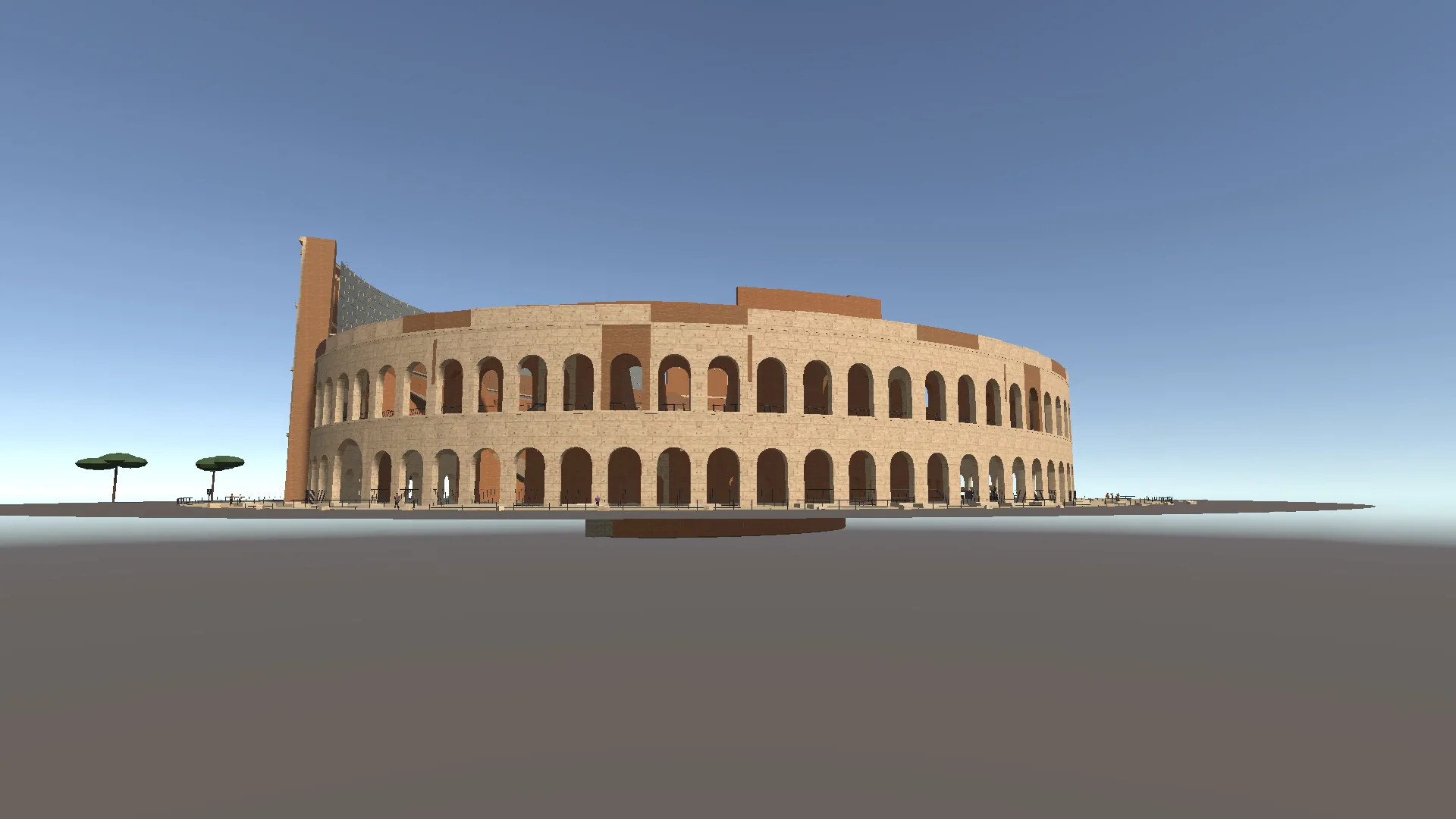
The ancient Colosseum in Unity. The building is mostly UModeler X shapes built from ASTRA’s specs; the spectators are PicoBerry models.

Built withGPT-6 ASTRABlenderUnityUModeler XPicoBerry API

Does GPT-6 ASTRA model better in Blender or in Unity?

In this test, neither. GPT-6 ASTRA read 200 reference images, drawings included, turned them into one spec in meters, and built the Colosseum from it in Blender and in Unity with UModeler X. Both builds came out with 6,254 meshes and a 48.5 m top height, and the log puts 28 minutes between the start of the Blender build and the side-by-side check. The difference came after the build: in Unity the model could be walked in first person as soon as it existed, and 4,926 of its meshes were UModeler X parametric shapes that stay editable. So the developer finished the scene in Unity and filled its stands with 3,917 spectators placed from 20 PicoBerry models.

What came out of Blender and Unity from the same spec?

Day one, September 14. ASTRA wrote the numbers once and each tool built from them, at 1 unit = 1 m. Both builds were mostly simple shapes, so the fine detail is missing; the form and the proportions follow the drawings.

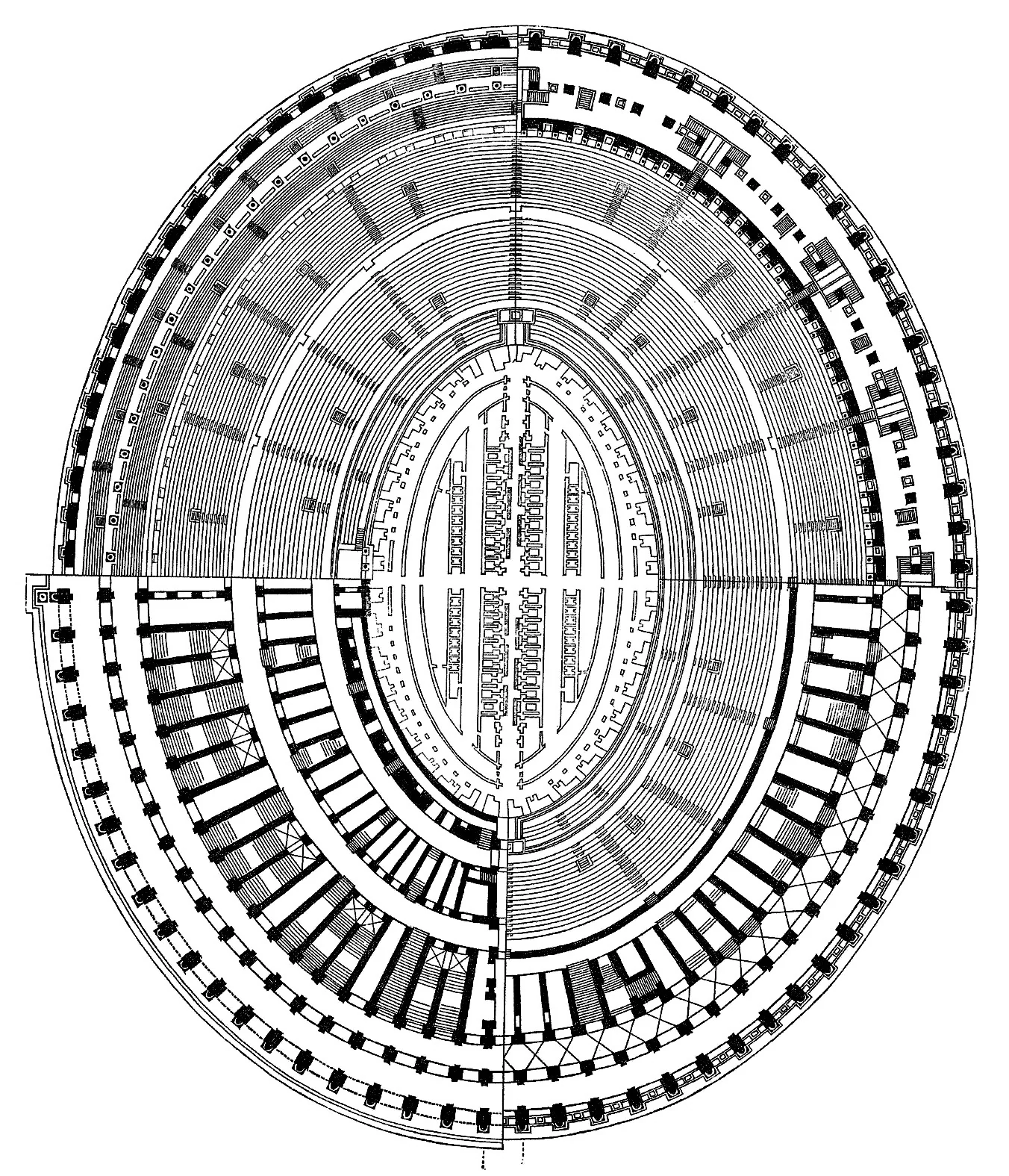
An old engraved plan of the Colosseum split into four quarters, each showing a different level of the stairs and radial walls
Input · one of the drawingsA four-quadrant plan of the Colosseum, each quarter at a different level, from the drawings the developer supplied. Public domain, via Wikimedia Commons.
BlenderUnity + UModeler X
Meshes6,2546,254
UModeler X parametric shapes—4,926
Triangles319,260Not in the log
Top height48.5 m48.5 m
1.8 m person scale checkPassedPassed
VersionBlender 5.1Unity 6000.3 (URP), UModeler X 1.3.0

From the log (KST): 19:00 the Blender build starts · 19:09 the spec files are written, colosseum_spec.json (2.2 MB) and unity_spec.json (2.6 MB) · 19:10 Blender exports an 18 MB FBX · 19:11 the Blender checks pass · 19:28 the side-by-side comparison is done. The developer puts each build at about 11 to 15 minutes.

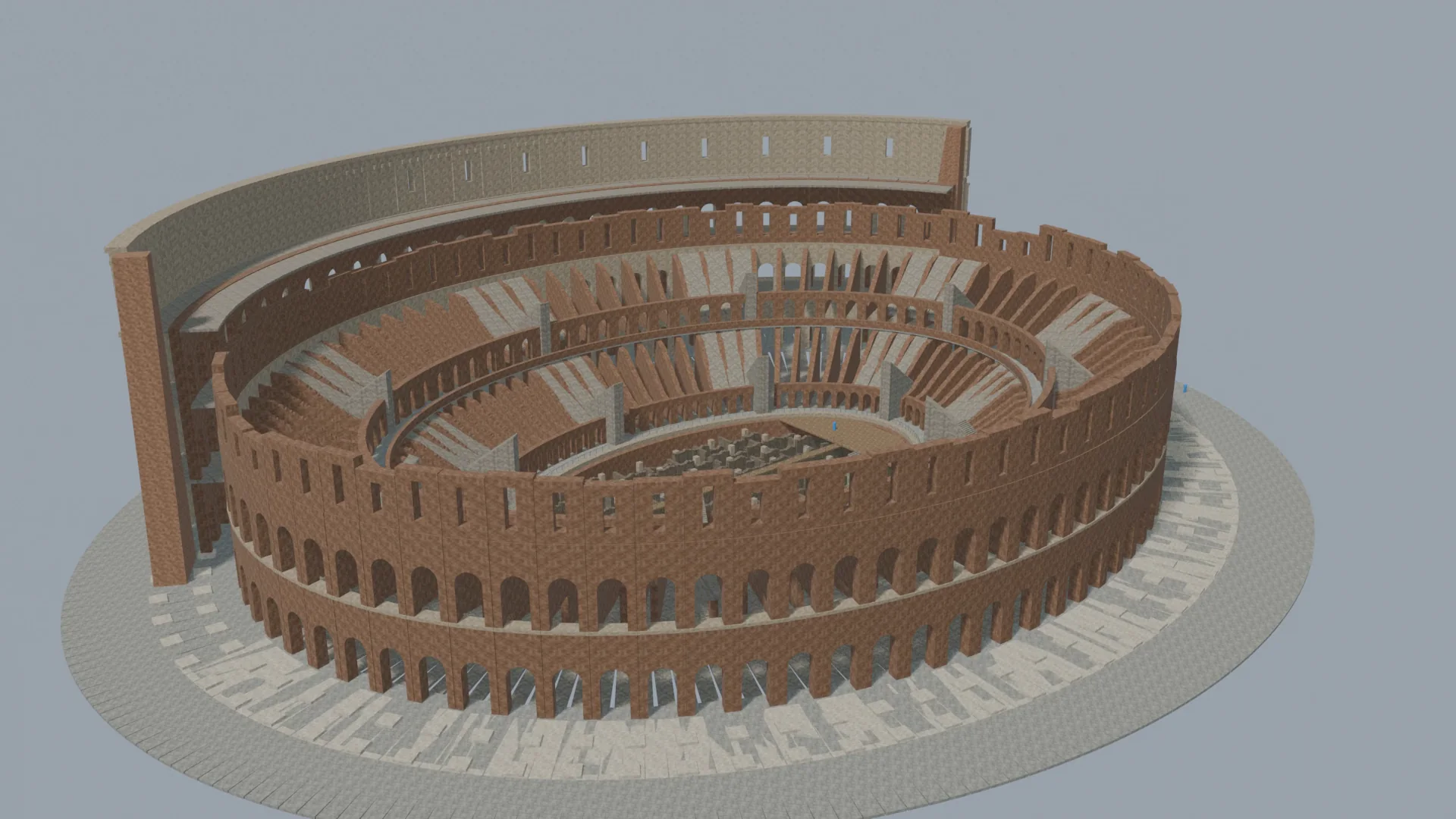
Blender render of the Colosseum model: a brick-colored ring of arcades on a pale base, with the tall north wall standing at the back left
Blender · day oneThe Blender build: 6,254 meshes and 319,260 triangles, with no empty meshes and no missing materials.
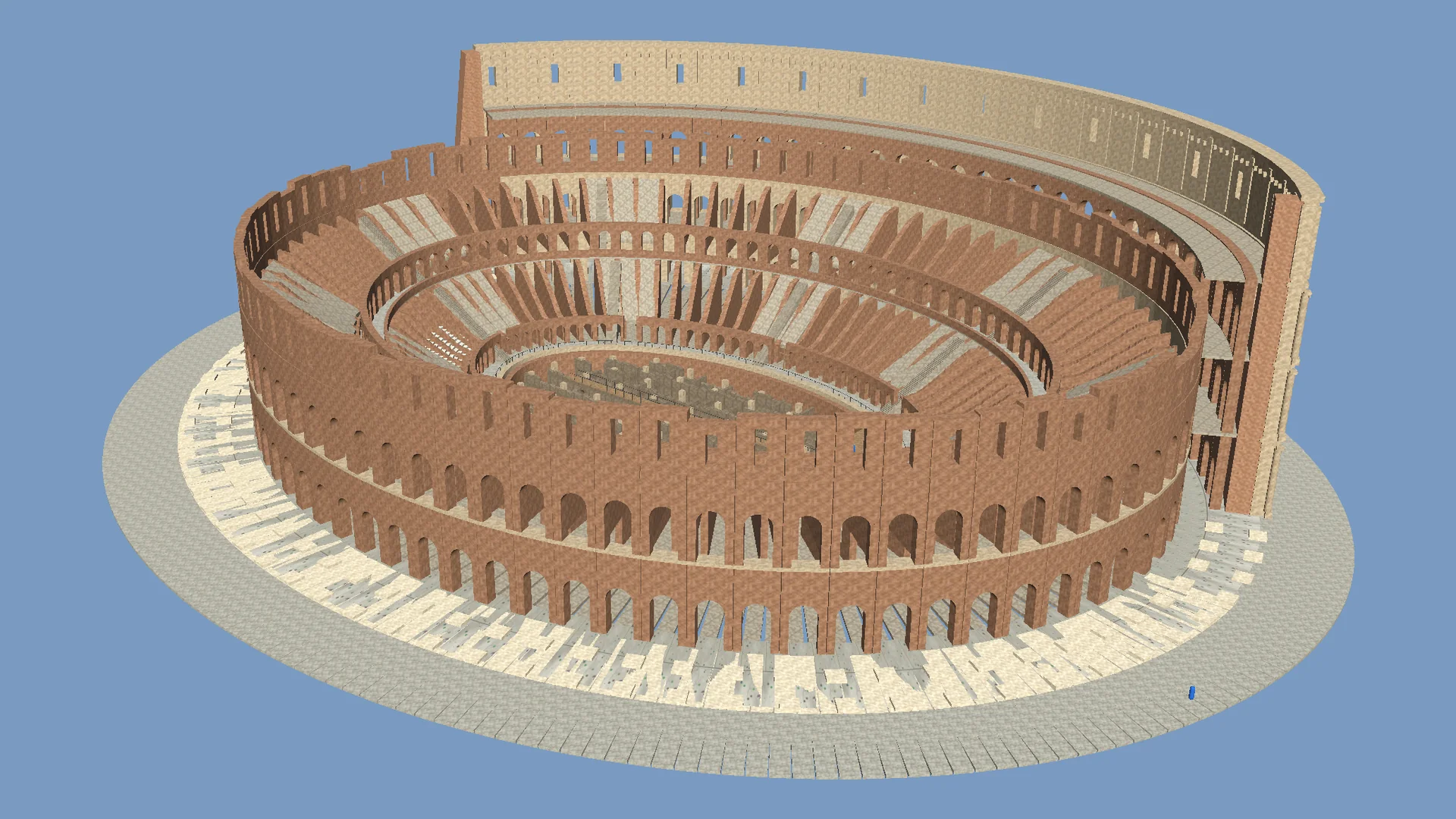
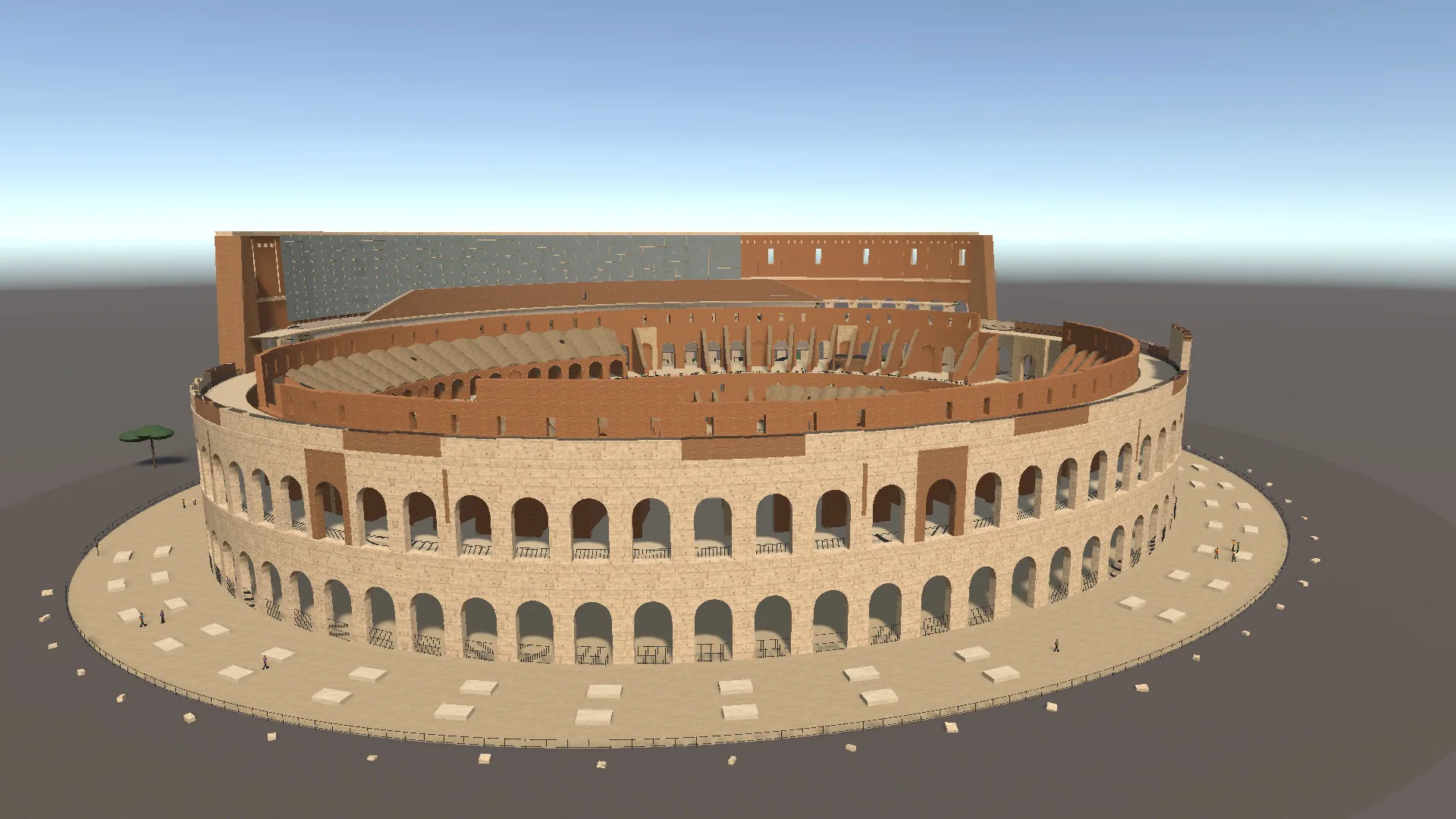
Unity render of the same model from the opposite side, with the tall north wall at the back right, on a flat blue background
Unity + UModeler X · day oneThe Unity build from the same spec: 6,254 meshes, 4,926 of them UModeler X parametric shapes. The irregular broken walls and the arch infills are ordinary meshes.

Why did the build carry on in Unity?

The numbers didn’t pick a winner. What decided it was what each tool let the developer do next.

Reason 01

Walk in as soon as it’s built

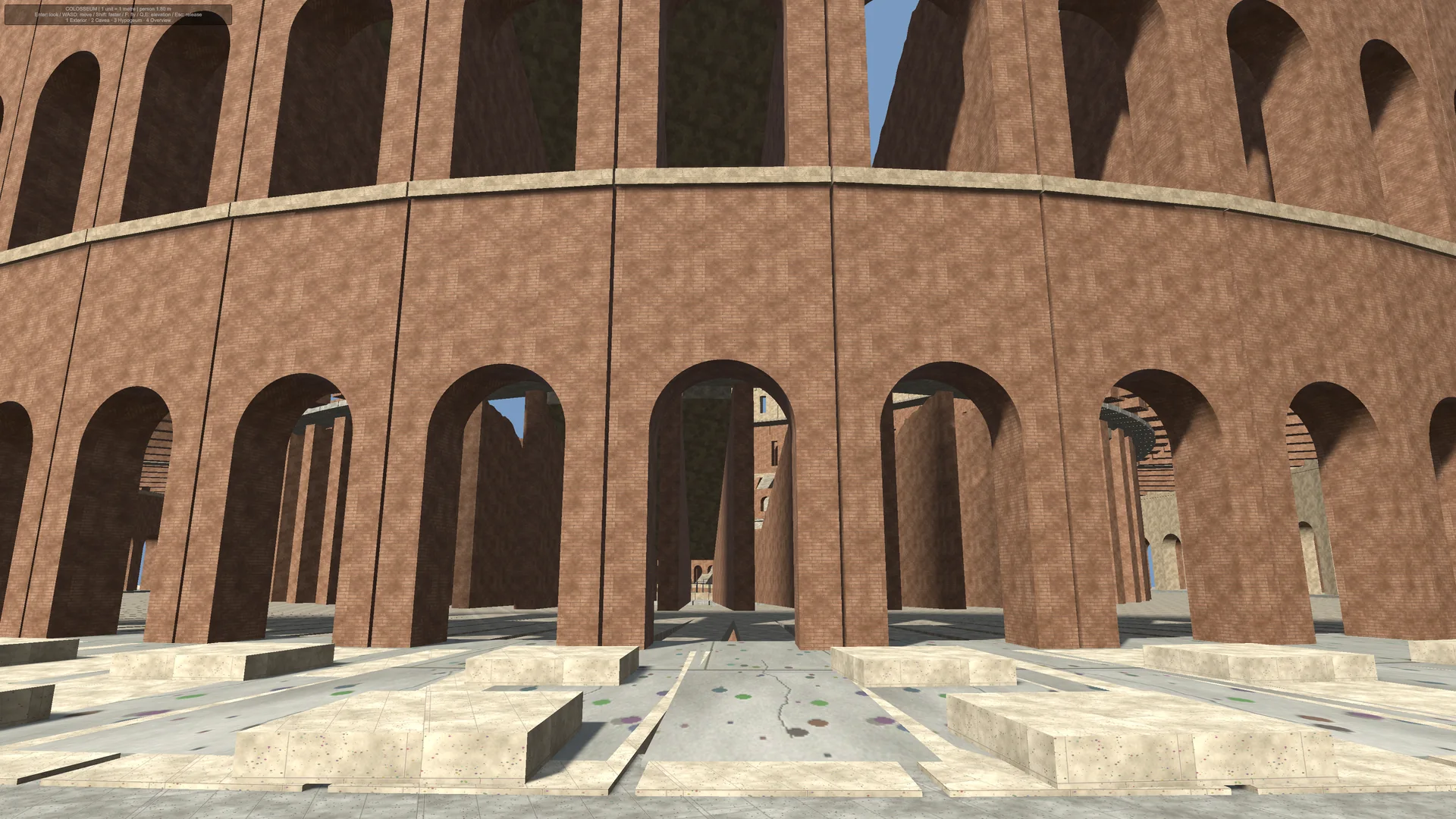
In Unity the model was already in the engine, so the developer could walk into it in first person the moment ASTRA finished and see at human scale what needed fixing. In the developer’s account, play-testing a Blender model with a character controller first takes an export, an import, and a collider pass.
Reason 02

Shapes that keep their numbers

UModeler X shapes keep their parameters. Select an arch and the Inspector shows Radius1, Radius2, Depth, Angle, and Sides; select a staircase and it shows its steps. ASTRA sets the numbers, and anyone can still change them later.

Reason 03

Reference and model on one screen

For the detail pass, the developer lined up the Unity viewport with a reference photo’s angle and gave ASTRA that photo. The model and the photo it was matched against sat on the same screen, with no round trip between tools.

First-person view under the Colosseum’s outer wall in Play mode: tall brick arches over a pale pavement, with a control-help overlay at the top left
In Unity · Play modeStanding under the outer arcade in Play mode, at the controller’s eye height. The help overlay at the top left is the controller’s own: 1 unit = 1 metre, person 1.80 m.

How did ASTRA’s changes reach the Unity scene?

In the developer’s account, ASTRA never remote-controlled the editor. It wrote files, and Unity applied them to the scene.

FileWhat it holdsExamples from the project
SpecThe whole model, as numberscolosseum_r2_spec.json … colosseum_r5_unity_spec.json
DeltaWhat changed since the last revisionunity_r2_delta.json, unity_r4_rebuild_delta.json
PatchA targeted fixunity_r2_patch.json, unity_r4_final_patch.json

Because every change is a file, each revision can be rolled back, the difference between two revisions can be read, and the same spec can go to both Blender and Unity. The developer credits the same setup for keeping the day-one comparison fair.

What did one day of revisions look like?

September 15 (KST). R2 was finished at 11:35 and R8 confirmed at 20:05, eight and a half hours later. R2 to R4 were built in both tools from the same spec; from R5 on, only in Unity. A single time is when that step finished.

  1. R2 — the long axis turned about 19.94° to match the real site; through-arches in the radial walls, a middle corridor, and passages under the arena.
  2. R3 — the underground rebuilt with 14 lengthwise walls, and stairs from there to the first floor and on up to the third.
  3. R4 — the stairs moved to where published sources put them: a 2022 study of the podium, the Colosseum Archaeological Park’s 2023 visitor-route notice, and a study of the arch repairs.
  4. R5 — 13 stairs from an annotated section drawing, plus the flights that link them, all UModeler X Stair shapes; the top tier split into a corridor at 31.8 m and a terrace at 37.9 m.
  5. R6 — the work moves inside the building.
  6. R7 — the structure checked against the references, the interior made safe to walk, the floor seams closed.
  7. The stair pass for R8: 14 minutes.
  8. The arena wall’s 436 slices become four UModeler X QuadStrips.
  9. R8 confirmed.
RevisionMeshesParametric shapesWalk check
R27,3765,870Four stair sections, up and down, with a 1.8 m collider
R311,8908,493Unity: 5,064 moves up, 5,063 down; Blender: 921 points
R411,7878,315Unity: 5,431 moves each way; Blender: 1,048 points
R512,1448,660Unity: 74 runs, both ways over 37 routes

The revision notes for R2 to R5 record these walk checks. The R3 to R5 Unity runs used a CharacterController 1.8 m tall, placed at the start of each route and moved without teleporting, with no blocked steps; the Blender checks tested floor contact and body clearance at points along the route. None of them covers every room of the building.

Why did the stair pass take 14 minutes?

Because, as the developer explains it, a UModeler X staircase is a shape with numbers, not geometry to sculpt.

One staircase with its parameters animated: the width goes from 1.52 m to 3.60 m and the step height from 0.225 m to 0.40 m, so the steps drop from 31 to 17 over the same 6.99 m rise.

A UModeler X Stair carries its width, step height, step count, total height, and depth as parameters, and ASTRA filled those numbers in from the drawings. In the developer’s words, the AI isn’t carving shapes, it’s filling in numbers. The finished scene holds 253 stair shapes.

14 minfor the stair pass on September 15, 17:27–17:41
253stair shapes in the finished scene
17,927UModeler X parametric shapes in the finished scene

What did the optimization pass change?

Measured by comparing the scene files, from the R8 scene to the load-optimized scene of September 16.

BeforeAfterChange
GameObjects30,95026,078−15.74%
MeshRenderers27,85922,803−18.15%
Scene file181.2 MB135.0 MB−25.5%

The step the developer singles out came before this pass, on the evening of September 15: the arena wall’s 436 slices were merged back into four QuadStrips rather than thrown away. In the developer’s words, pulling one curve now brings the wall along with it, so the merged scene can still be edited.

How did the ruin become a tourist site, and then an ancient arena?

Two more scenes followed.

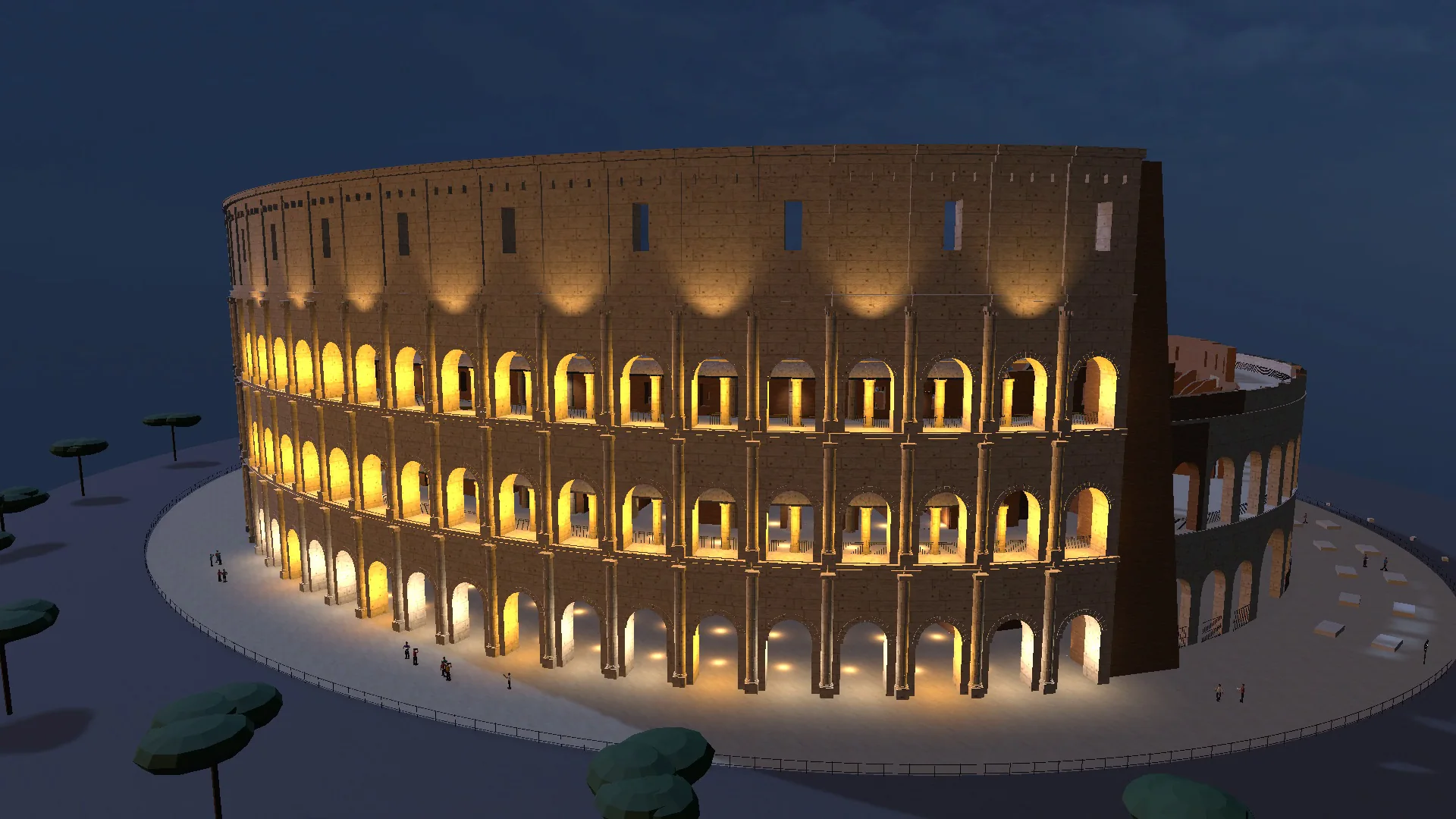
For the present-day ruin, the developer asked for shops and streets around it, to give it the feel of the tourist site in Rome. Day, night, and morning versions came out between 14:59 and 15:25 on September 16: three versions in 26 minutes. The frames here show the ruin on its plaza with a few umbrella pines; no shops or streets are in view.

The present-day Colosseum ruin by day, seen from above on a paved plaza with a few pine trees
DayThe tourist site by day: the ruin on its plaza, with the tall north wall.
The Colosseum ruin seen from ground level across flat grey ground, with two umbrella pines on the left
Ground levelThe same scene from ground level.
The Colosseum ruin at night with warm light glowing inside every arch of the outer wall
NightThe night version, lit from inside the arcades.

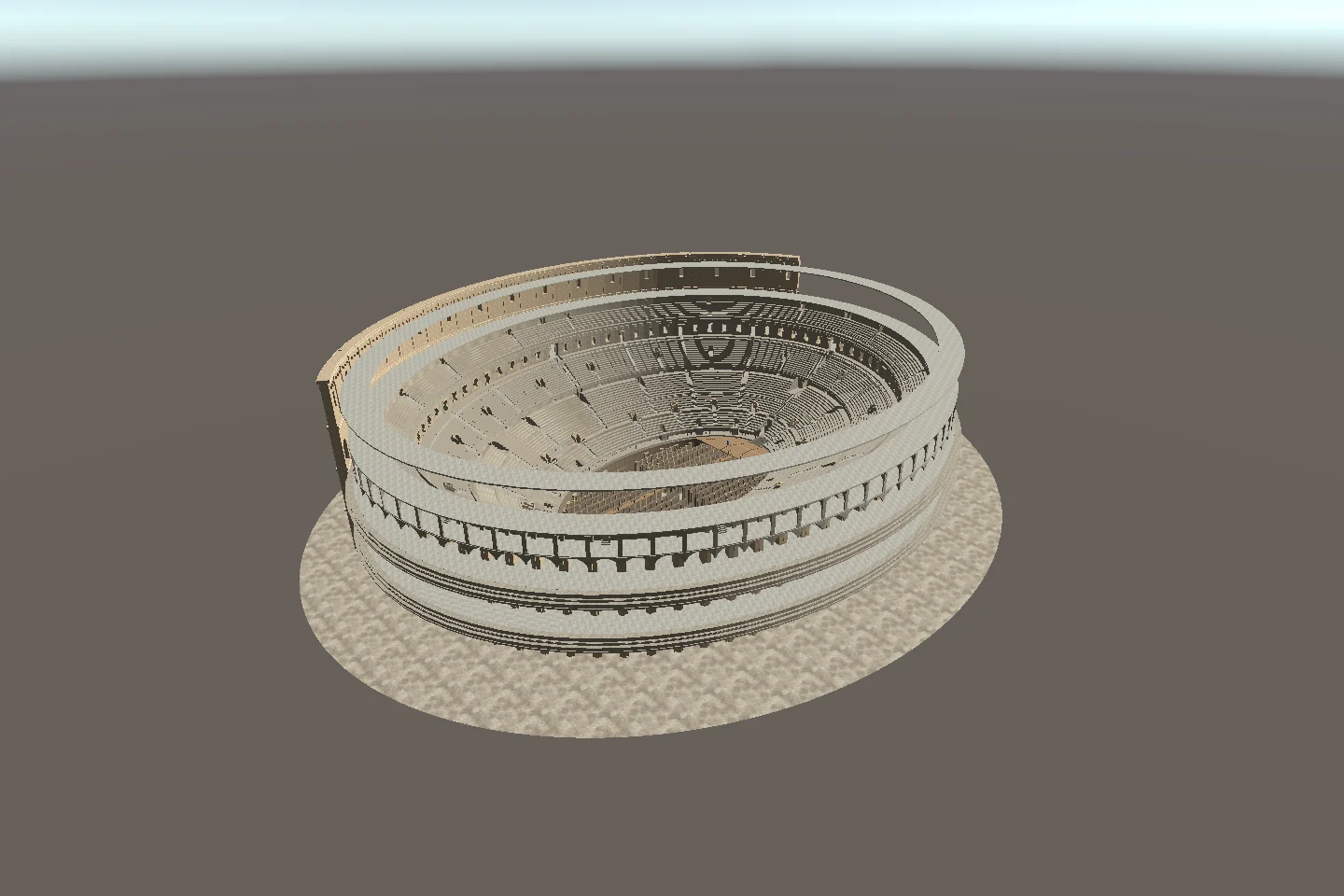
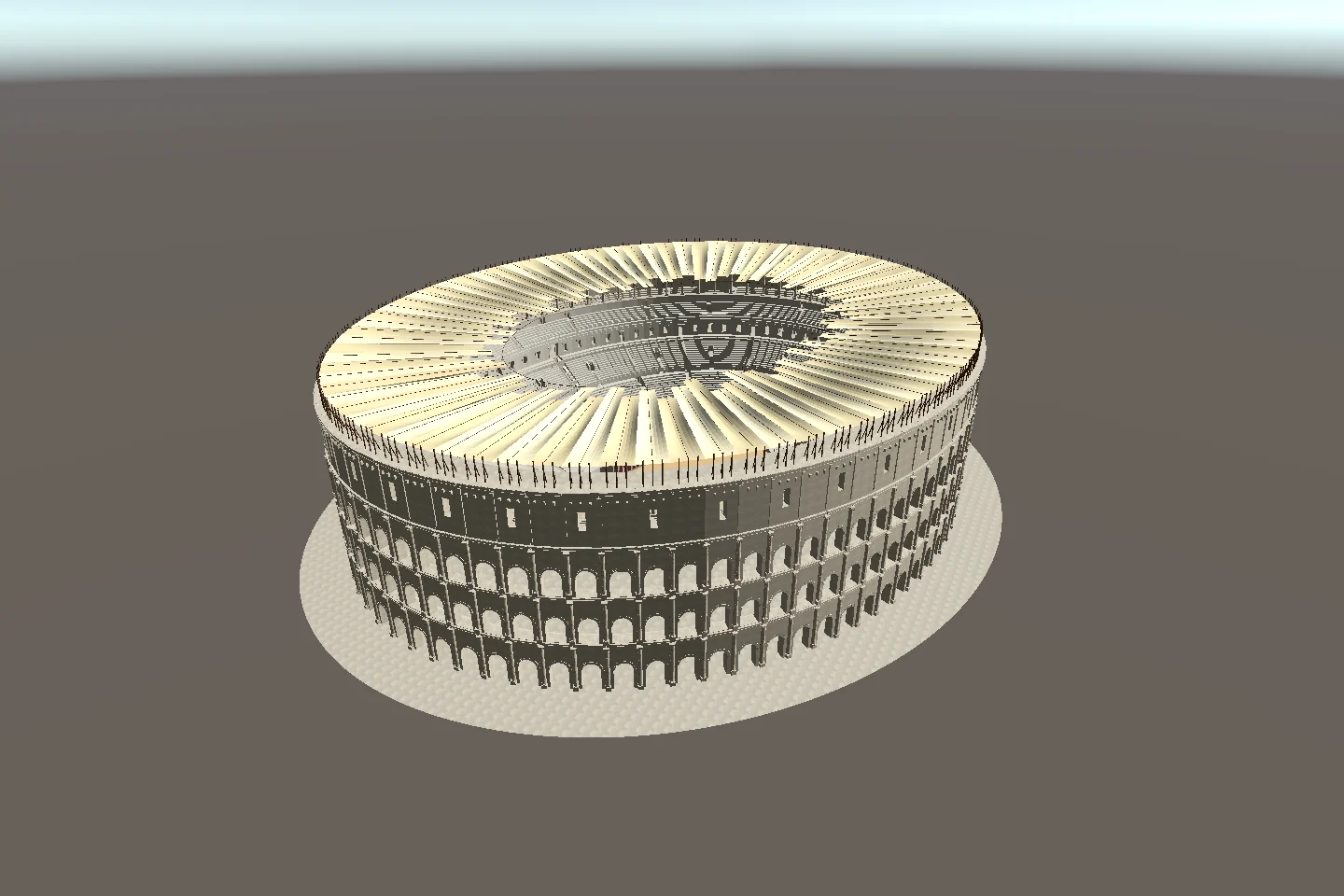
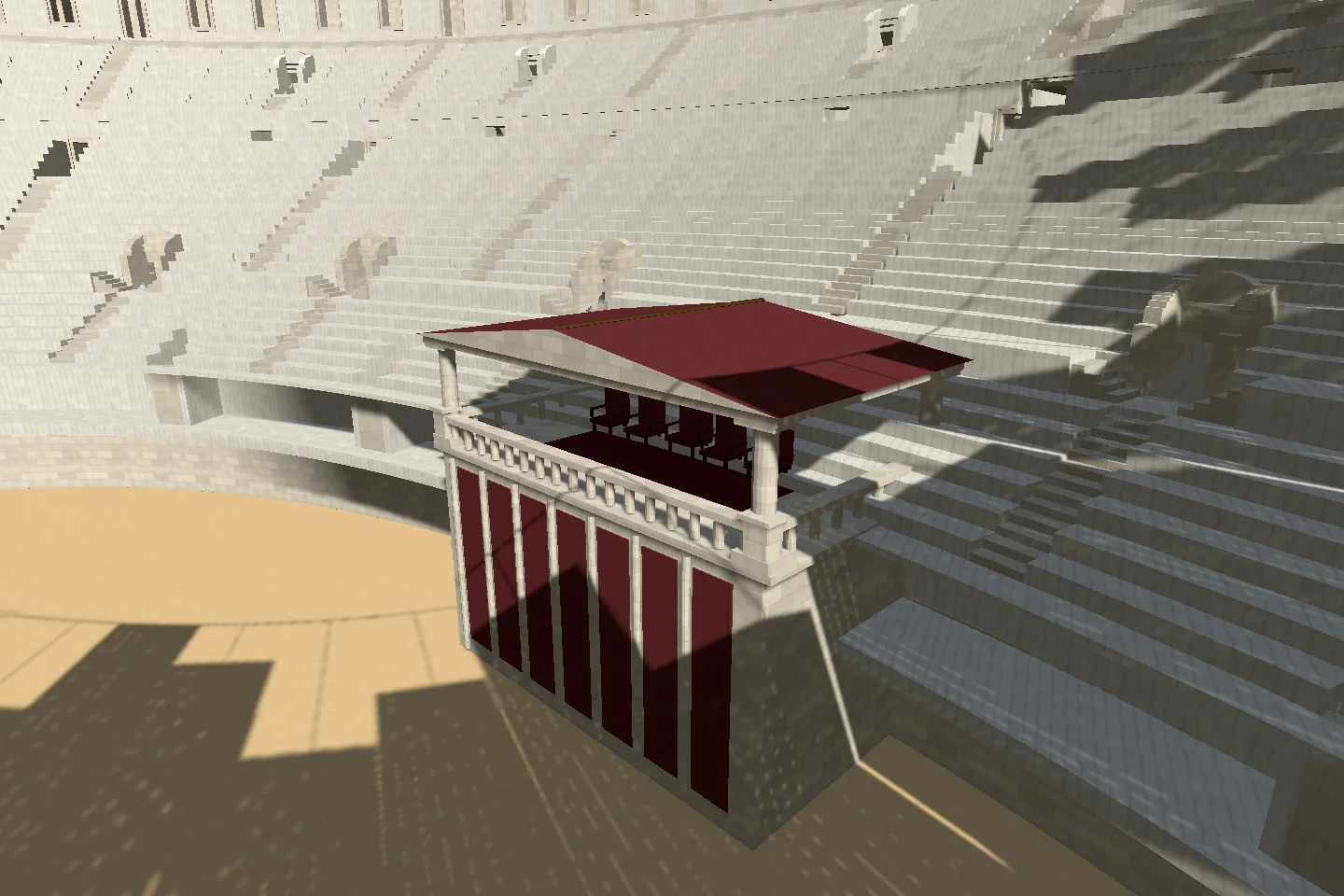
For the second Colosseum, the developer added interior-structure data from the official website and real section images as references and asked for the building as it was in antiquity. ASTRA built one quarter of the ring and completed it by copying and rotating that quarter. The awning, the full seating, and the imperial box came after.

One quarter, copied and rotated into the full ring.
The ancient Colosseum as a complete pale ring of arcades seen from above, with no awning
Structure onlyThe complete ring before the awning.
The ancient Colosseum from above with a cream-colored awning covering the stands around the open arena
With the awningThe velarium, the awning that shaded the stands, drawn over the top.
Inside the ancient Colosseum: pale stone tiers of seats and a red-and-white imperial box on the edge of the arena
Imperial boxInside, the tiers of seats and the imperial box on the arena’s edge.

Why did the crowd come from PicoBerry?

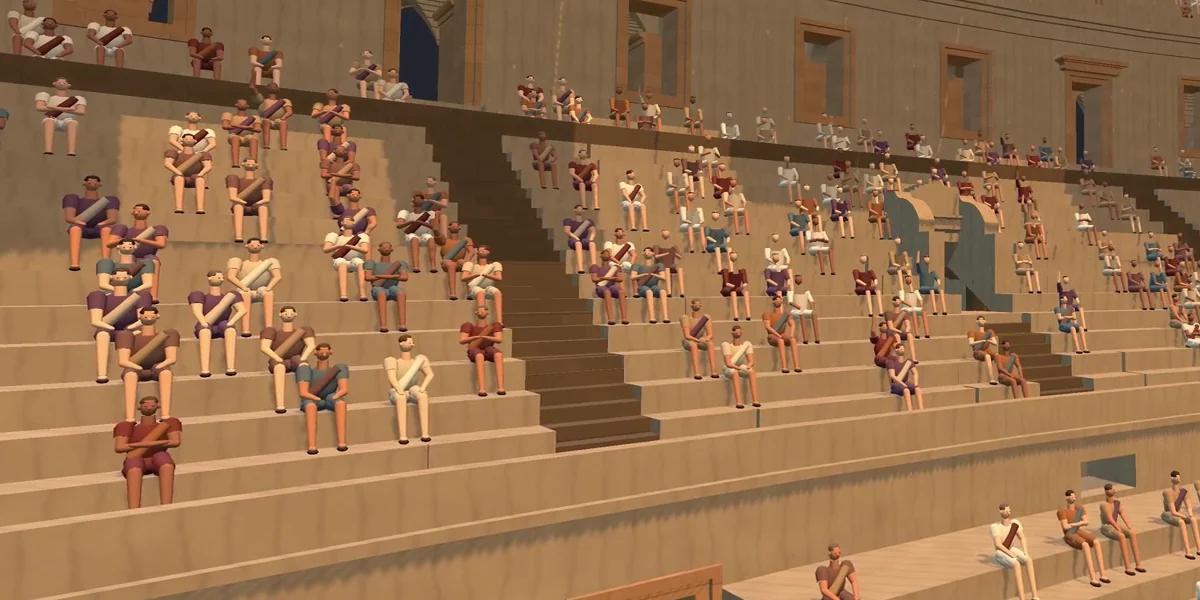
With people in the stands the scene came alive, but ASTRA had built them from basic shapes, and up close they looked it.

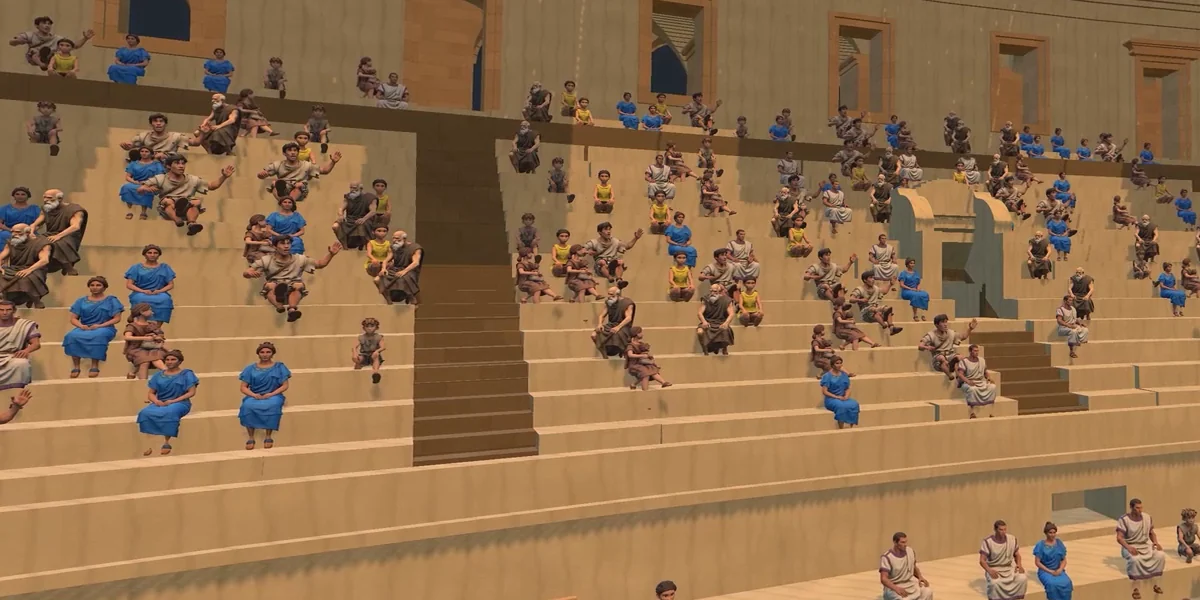
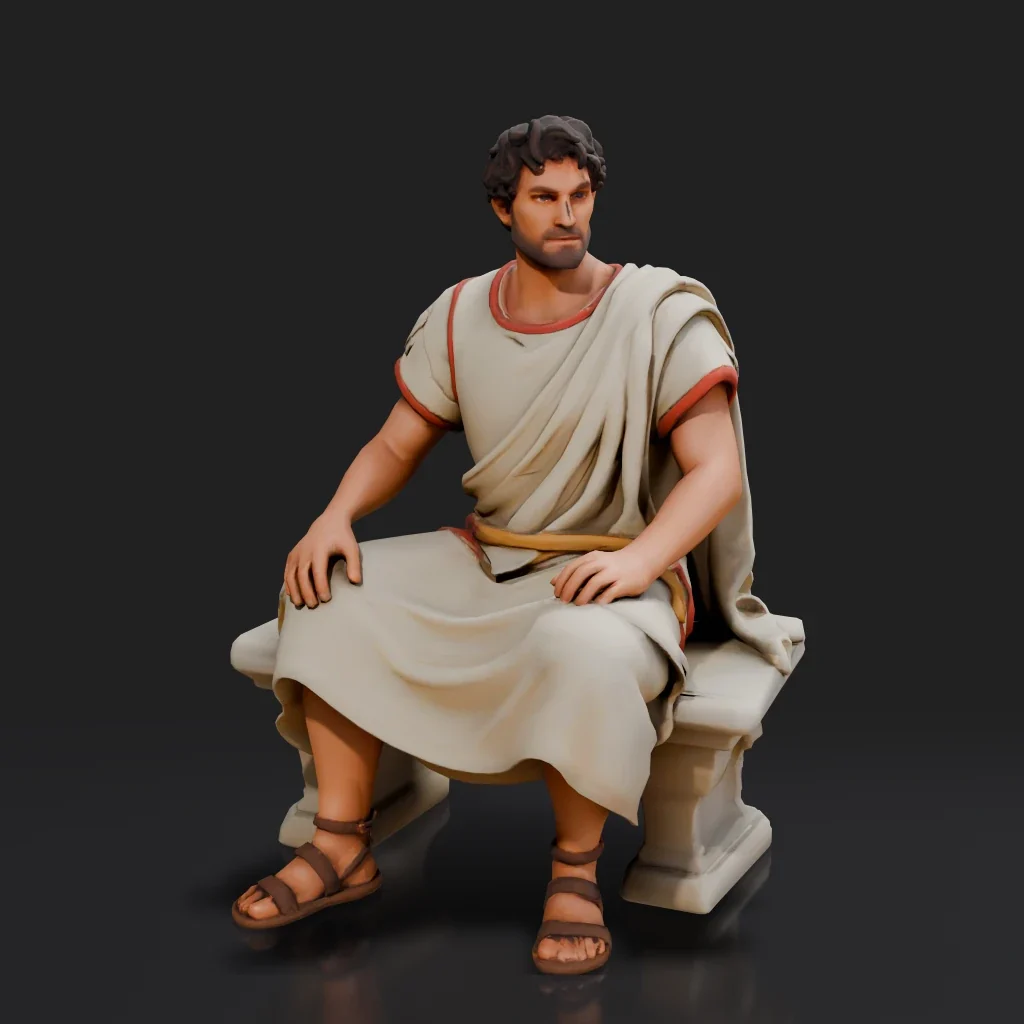
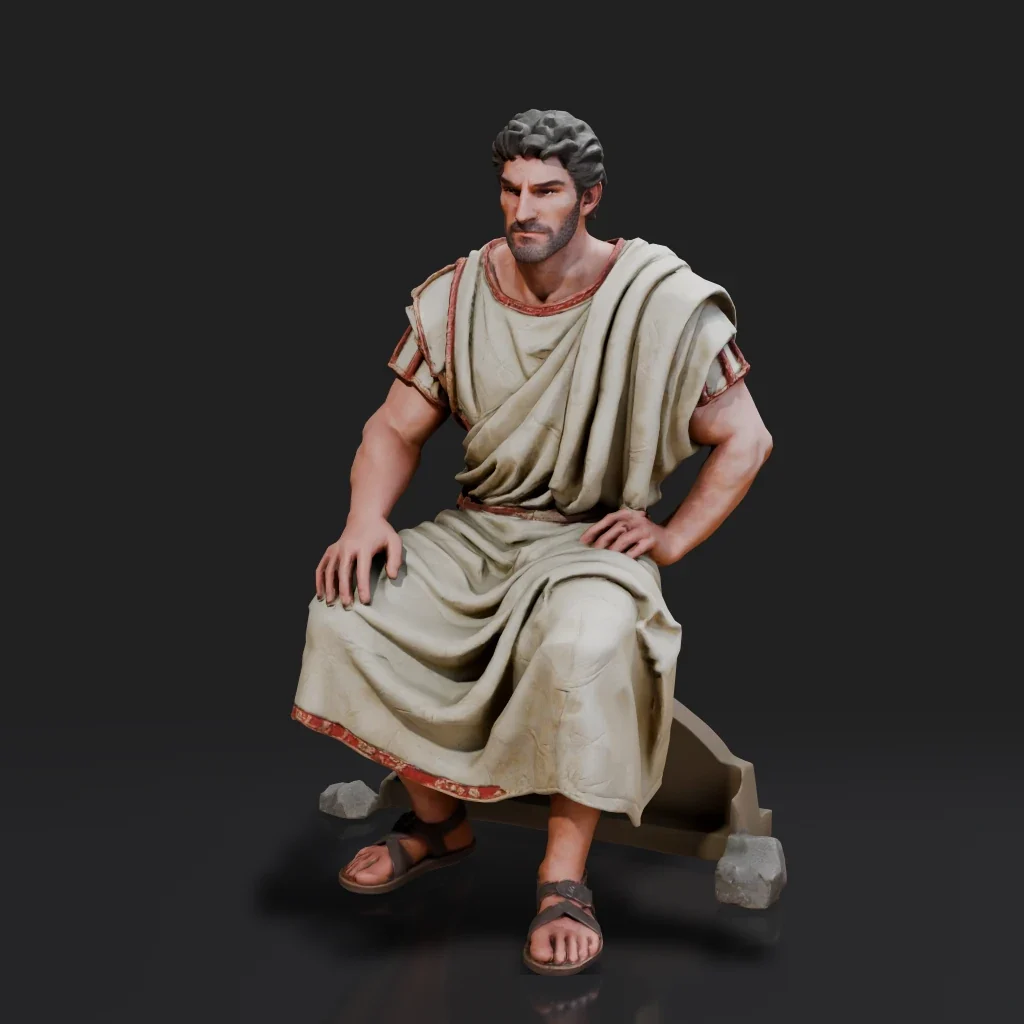
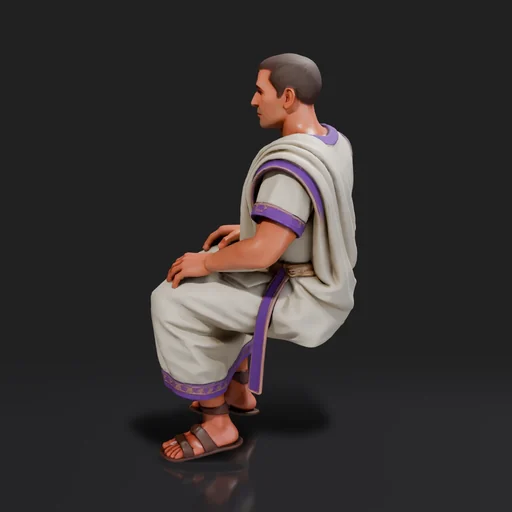
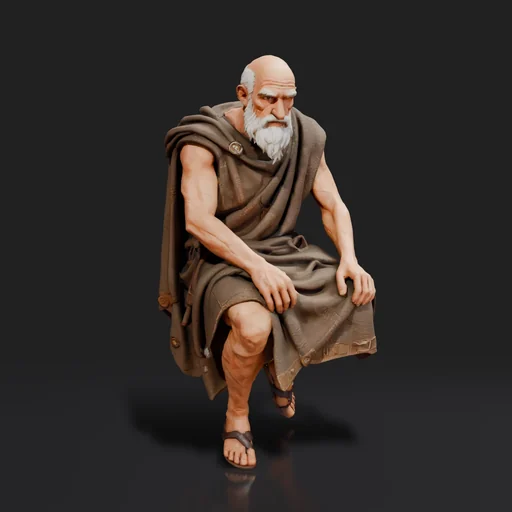
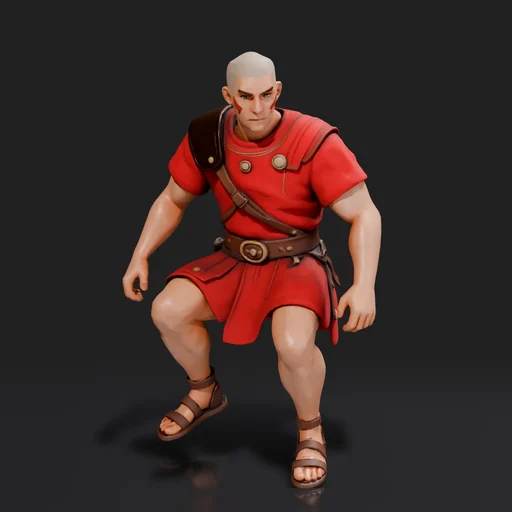
So the developer connected the PicoBerry API and asked ASTRA to replace them. ASTRA sent 20 requests for seated and cheering Romans, among them nobles, soldiers, merchants, and children, all as text prompts to PB Ultra and all within four minutes, 15:29:46–15:33:35 on September 17. Each prompt became an image first, then a 3D model. The scene fills 3,917 places in the stands with those 20; in the developer’s account, the models went straight into the scene. Earlier that afternoon, at 15:04, ASTRA had tried one seated-spectator prompt on three PicoBerry AI models (Hunyuan 3.1, PB Ultra, and PB Slim 2); the PB Slim 2 and PB Ultra results are below.

Colosseum stands filled with simple, blocky spectator figures in purple, red, teal, orange, and white tunics
ASTRA’s shapesThe stands with the spectators ASTRA built from basic shapes.
The same Colosseum stands filled with varied Roman spectators in blue, white, brown, and yellow clothing
PicoBerryThe same stands from nearly the same viewpoint, after the swap to PicoBerry models.
20PicoBerry models, generated as PB Ultra from text prompts
3,917places in the stands filled with those 20
< 4 minfor ASTRA to request all 20, Sept 17, 15:29:46–15:33:35 KST
A bearded man in a cream toga with red trim, seated on a stone bench in sandals, generated with PB Slim 2
PB Slim 2The 15:04 test prompt through PB Slim 2.
A bearded man in a draped toga with red trim, seated on a broken stone bench in sandals, more finely detailed, generated with PB Ultra
PB UltraThe same prompt through PB Ultra, the AI model used for all 20.
PicoBerry model of a seated Roman nobleman in a purple-trimmed togaNobleman
PicoBerry model of a seated, bald Roman senator in a dark cloakSenator
PicoBerry model of a seated Roman soldier in a red tunic and beltSoldier
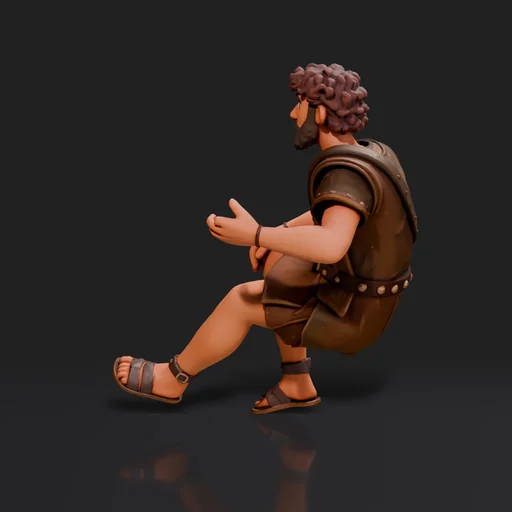
PicoBerry model of a seated Roman merchant gesturing with one handMerchant
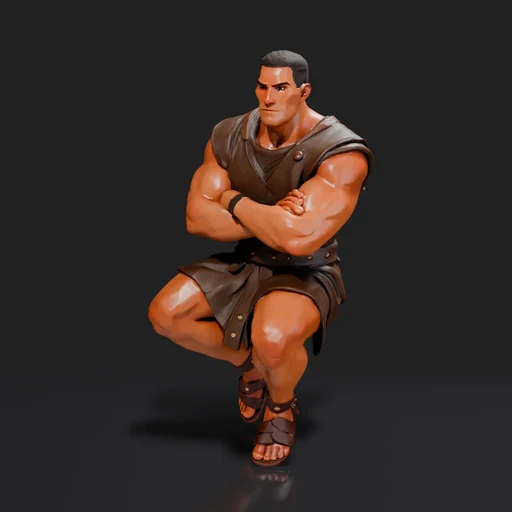
PicoBerry model of a seated, muscular Roman laborer with folded armsLaborer
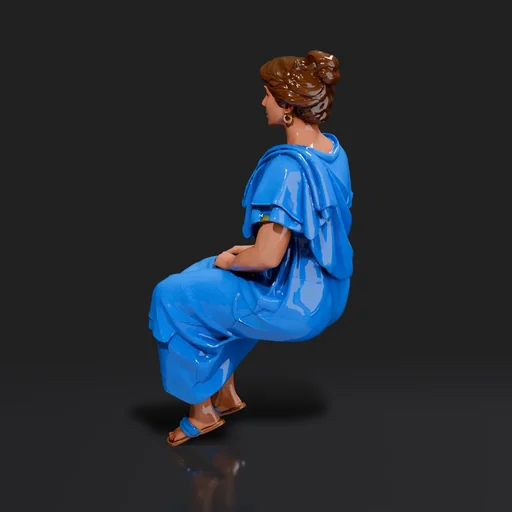
PicoBerry model of a seated Roman noblewoman in a blue dressNoblewoman
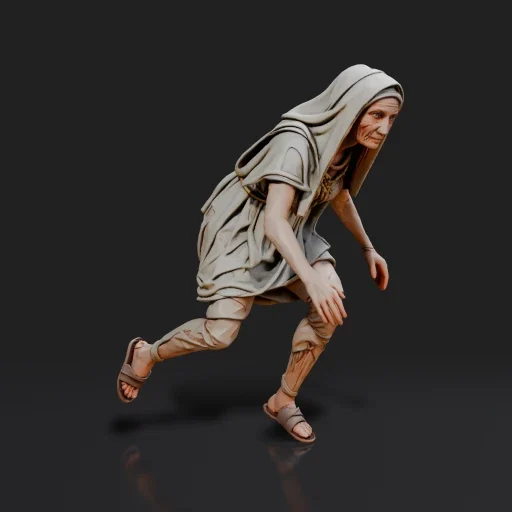
PicoBerry model of a hunched elderly Roman woman in a grey shawlElderly woman
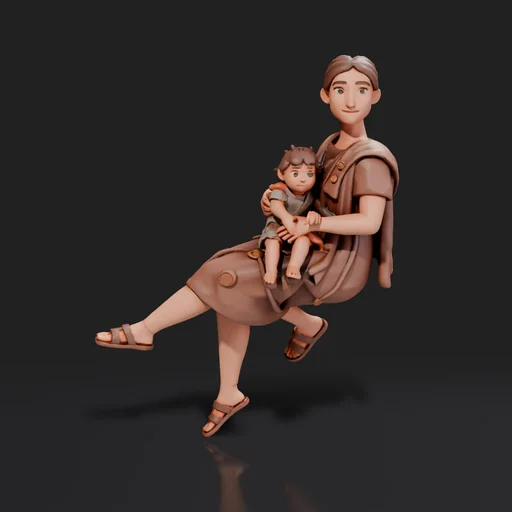
PicoBerry model of a seated Roman woman holding a small childMother and child
PicoBerry model of a small Roman girl in pink with both arms raisedCheering girl
PicoBerry model of a small Roman boy sitting with his knees pulled upSeated boy

Ten of the 20 PicoBerry spectators, as generated.

What does it look like from inside?

The Unity build had a first-person controller from day one, 1.8 m tall with eyes at 1.65 m. For the finished Colosseum, the developer asked for one to be added, to walk in and out among the spectators.

Climbing between the seats in Play mode, past the PicoBerry spectators; a few were placed too low and sink into the steps.

What is this model not?

The revision notes are careful about these, so this page is too.

Limit 01

Not a digital twin

It is a full-scale interpretive model built from public drawings, photos, and papers. It may not match individual stones or break lines, and the revision notes say so.

Limit 02

Stair positions are interpretations

R4 moved the stairs to where published sources point, but the coordinates are model inputs, not survey data. The stairs between the first and second floors follow the park’s description of their zone, with no detailed plan; the flight to the third floor is placed from a figure in the study of the arch repairs.

Limit 03

No frame-rate claim

Scene loading was measured at 5.4 and 5.1 seconds. No performance profile was run, so this page gives no fps figure.

Limit 04

A pipeline comparison, not a contest

Both builds followed ASTRA’s spec. The test shows what the same spec produces in each tool, not the best result each tool can reach.

Frequently asked questions

Can GPT-6 ASTRA model a building from floor plans?

It did here, as a prototype. The developer gave it 200 reference images, drawings included; ASTRA read the dimensions off them, wrote a spec in meters, and built from it. The form and the proportions follow the drawings, but the fine detail doesn’t, because both builds were mostly simple shapes. The project notes call it a full-scale interpretive model, not a survey-grade replica.

Is UModeler X better than Blender for AI modeling?

Not on quality. In this test the day-one builds matched on every number recorded for both, 6,254 meshes and a 48.5 m top height, and both passed the 1.8 m scale check. The advantages of UModeler X were practical. The model was playable in the engine at once, and its shapes kept their parameters, so later changes meant editing numbers rather than building new geometry.

What are UModeler X parametric shapes?

Shapes that keep their settings after they are made. An arch keeps Radius1, Radius2, Depth, Angle, and Sides; a staircase keeps its width, step height, and step count; a QuadStrip keeps its curve. ASTRA set those numbers from the drawings, and they can still be edited in Unity’s Inspector. The finished scene has 17,927 of them, 253 of which are stairs.

How did GPT-6 ASTRA work with Unity?

Through files. ASTRA wrote the model as a JSON spec and each later change as a delta or a patch, and Unity applied them; the first build came from an editor script ASTRA wrote. In the developer’s account, ASTRA never drove the editor directly. The developer ran ASTRA from PowerShell. Keeping every change in a file is what made each revision reversible and let one spec feed both Blender and Unity.

How did PicoBerry make the crowd?

PicoBerry turned each of the 20 text prompts ASTRA sent through the API into an image, then a PB Ultra 3D model; ASTRA sent all 20 requests in under four minutes. The scene fills 3,917 places in the stands with them. They replaced spectators that ASTRA had built from basic shapes. The building itself is mostly ASTRA’s UModeler X shapes.

How long did the Colosseum take?

The developer puts the hands-on time at about 12 hours. The log adds the pieces: 28 minutes for the day-one comparison on September 14; eight and a half hours from R2’s finish to R8 on the 15th, including a 14-minute stair pass; 26 minutes for the three tourist-site versions on the 16th; and, on the 17th, under four minutes for ASTRA to request the 20 spectators.

Did the developer model anything by hand?

The log records direction rather than modeling. The developer supplied the references, lined up the viewport with a reference photo for the detail pass, asked for the shops, the ancient version, a first-person controller in the finished Colosseum, and the PicoBerry crowd, and checked each revision. In the developer’s account, the shapes themselves were placed by ASTRA.

Which versions of Blender, Unity, and UModeler X were used?

Blender 5.1, Unity 6000.3 with URP, and UModeler X 1.3.0. There is no public build to play.

Shapes for the building, PicoBerry for the people

Start in the PicoBerry web app, or connect the API to the agent you already use.