Case study · GPT-6 Sol × PicoBerry

GPT-6 Sol game development — the same kart racer, before and after PicoBerry assets

KARTPOP is a 3D kart racer that runs in the browser. The developer built it with GPT-6 Sol: five tracks, drifting and boosts, item races against three computer racers, and a public link. In the developer’s account, GPT-6 Sol’s own drivers and karts were basic shapes. In the finished game, 64 PicoBerry 3D models are in play: the 10 drivers, the 12 karts, 38 props, and 4 items. The times below come from PicoBerry’s generation records and the project’s own notes.

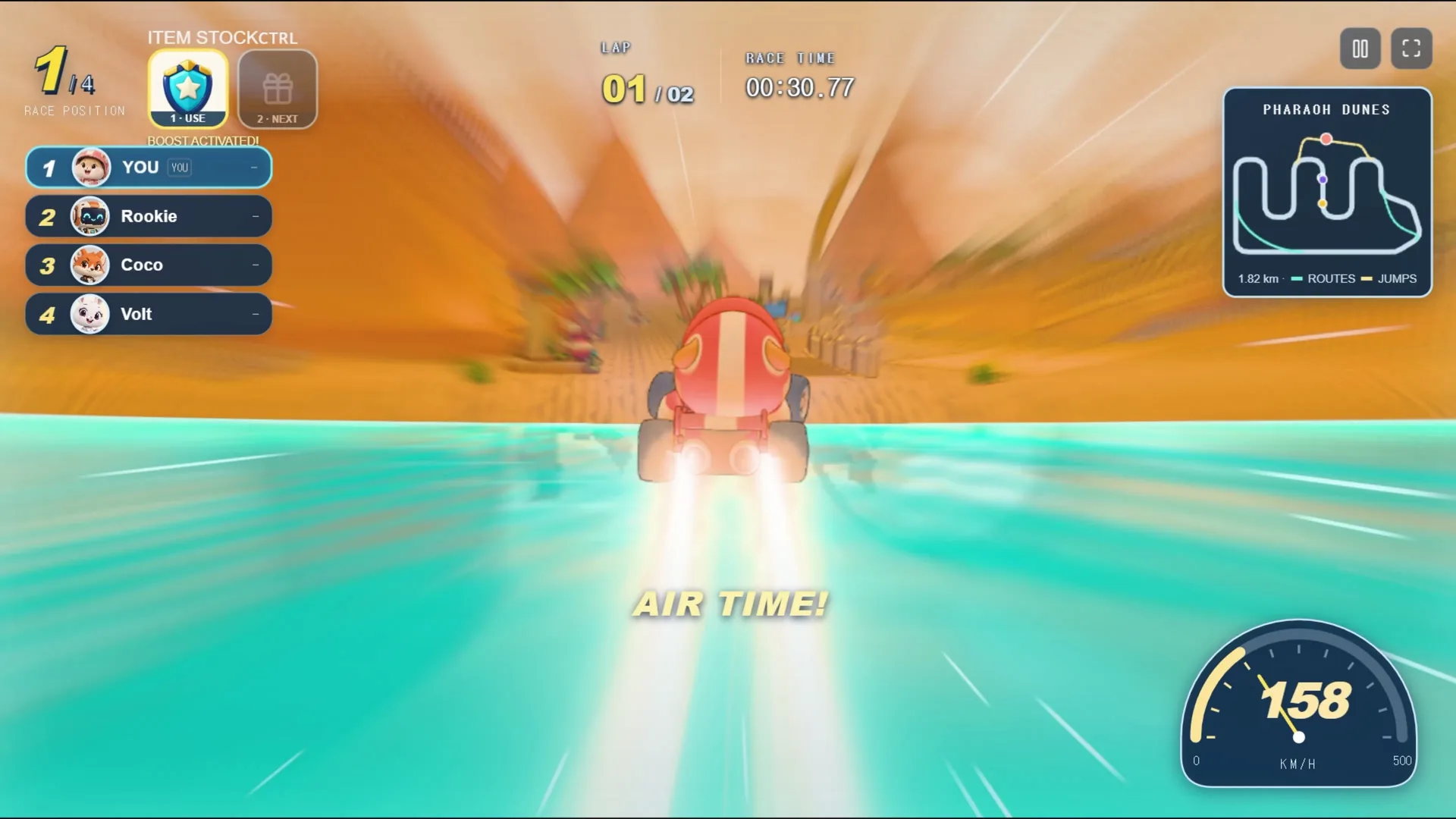
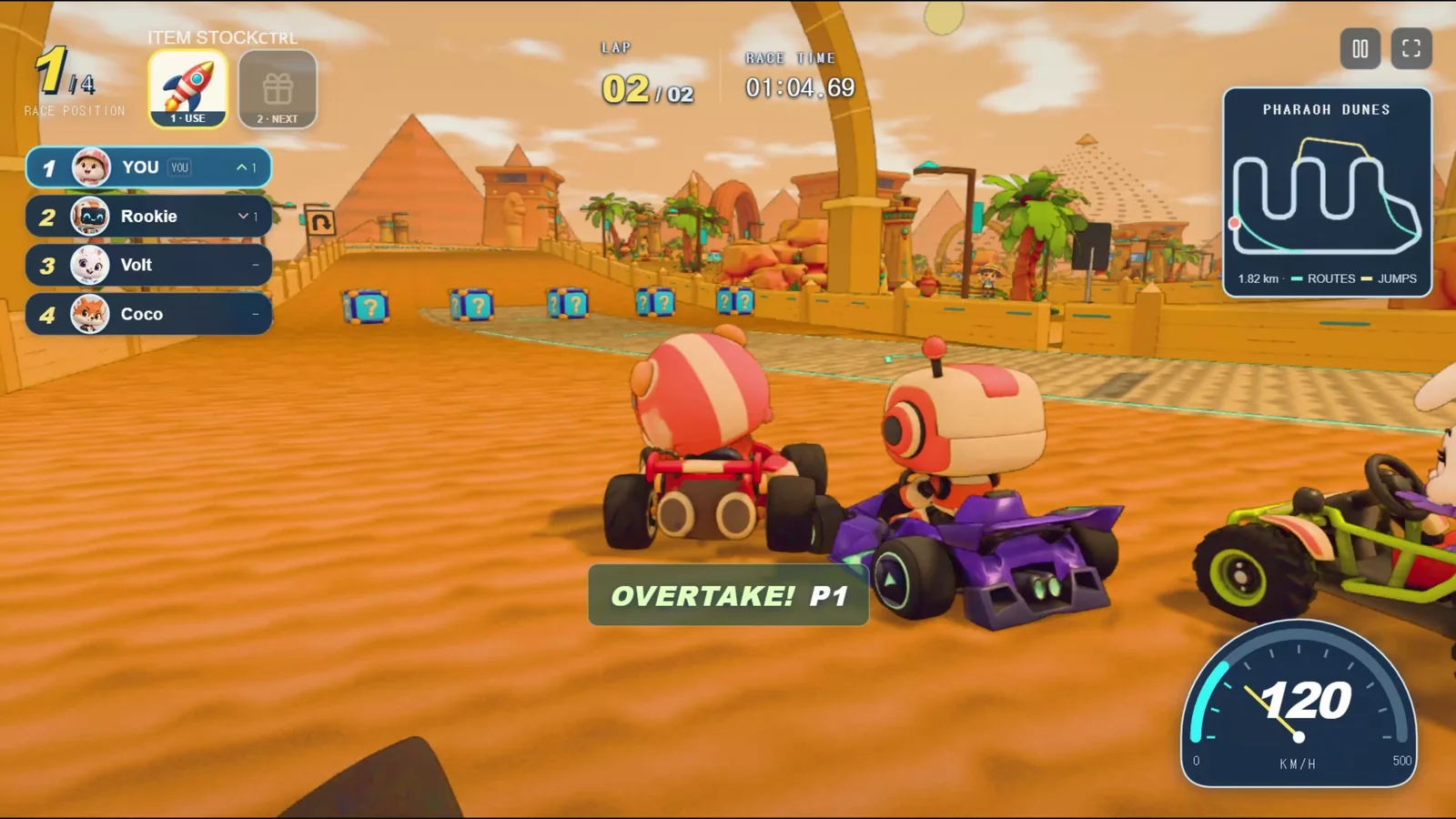
Pharaoh Dunes in the finished game. The racing, the track, and the effects are the game’s code; the driver and the kart are PicoBerry models.

Built withGPT-6 SolPicoBerry APIPicoBerry web appthree.jsBlenderChatGPT Sites

Can GPT-6 Sol build a playable 3D game?

Yes. The developer built KARTPOP with GPT-6 Sol: a three.js kart racer with five tracks, 15 branch routes, speed and item races against three computer racers, a shop and a garage, and a public ChatGPT Sites link. In the developer’s account, GPT-6 Sol’s own drivers and karts were basic shapes. PicoBerry supplied the 64 3D models in play: 10 drivers, 12 karts, 38 props, and 4 items. After download, the drivers were rigged and the karts fitted with steerable wheels. It is a playable game, not a studio release: ranked races are against the computer, and progress is saved in the browser.

What changed when the assets changed?

The developer ran two versions one above the other, driven by the same race: the basic version on top, its drivers and karts built from shapes in code, and the finished game below, with the PicoBerry models. The finished game computes the physics and sends every position and camera move to the basic version, so the two can’t drift apart.

The comparison video, 1:16, with cuts to the PicoBerry web app. Top: the basic version. Bottom: the finished game. The basic version also has plainer menus, backgrounds, and effects, so this is not an assets-only comparison.
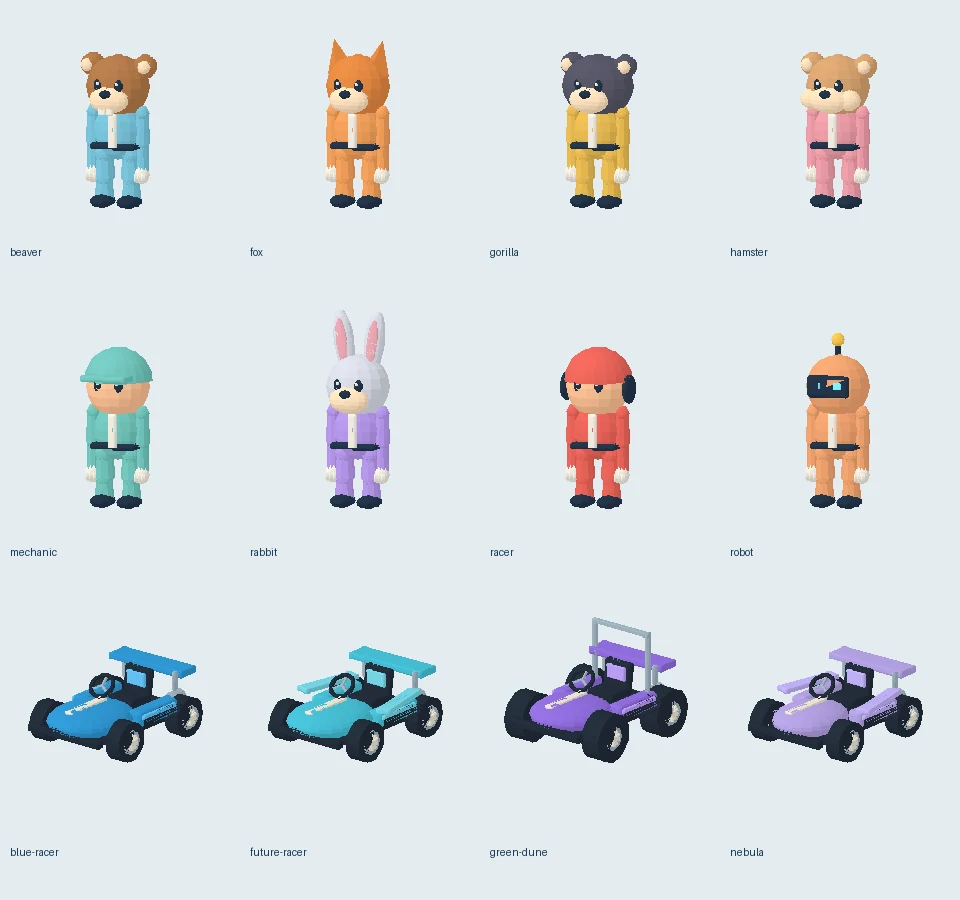
A sheet of eight blocky characters with square heads and one-color suits, above four boxy go-karts
Built in codeThe basic version’s drivers and karts, built from primitives in code. They have the same choices and handling as the finished game, and no model files.
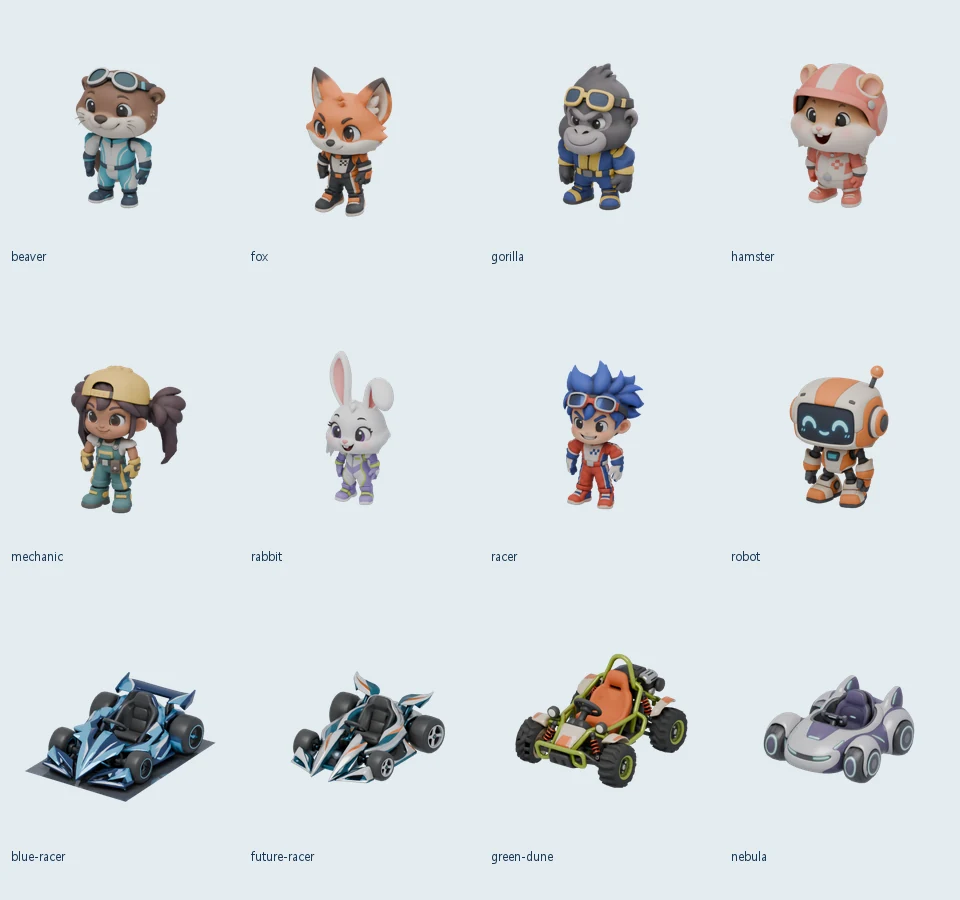
A sheet of the eight cartoon drivers, a beaver, a fox, a gorilla, a hamster, a mechanic, a rabbit, a racer, and a robot, above four detailed karts
PicoBerryThe same eight drivers and four of the twelve karts as PicoBerry models, generated from the developer’s reference images.

Who did what — GPT-6 Sol, PicoBerry, or the developer?

From the project’s handoff notes, the game files, and PicoBerry’s generation records. None of them records which model wrote the code; GPT-6 Sol is the developer’s account.

A KARTPOP race on Pharaoh Dunes: a driver taking first place, with the race order, item slots, minimap, and speedometer on screen
GPT-6 Sol

The game, and everything that runs it

  • Driving physics: drifts, two boost slots, slipstreams, jumps, and wall collisions
  • Five tracks with three branch routes each, 15 in all
  • Speed and item races against three computer racers, and a ranked ladder from Bronze to Challenger
  • The lobby, garage, shop, coins, and settings
  • Effects, post-processing, and automated tests
  • The deploy to a public ChatGPT Sites link, and the basic version for the comparison
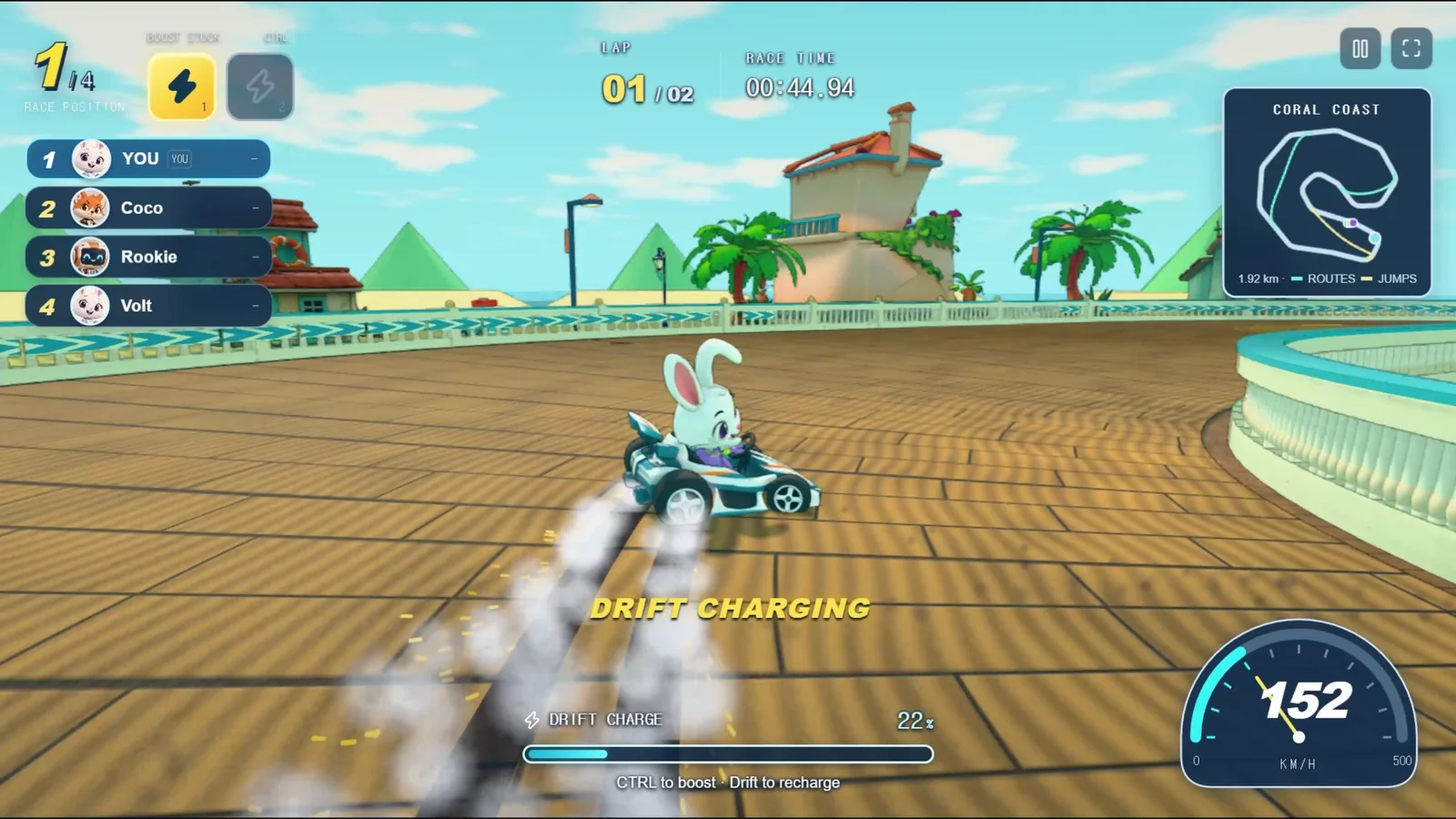
A KARTPOP race on Coral Coast: the rabbit driver drifting a white and teal kart past a seaside villa, palm trees, and street lamps
PicoBerry

The 3D models in the game

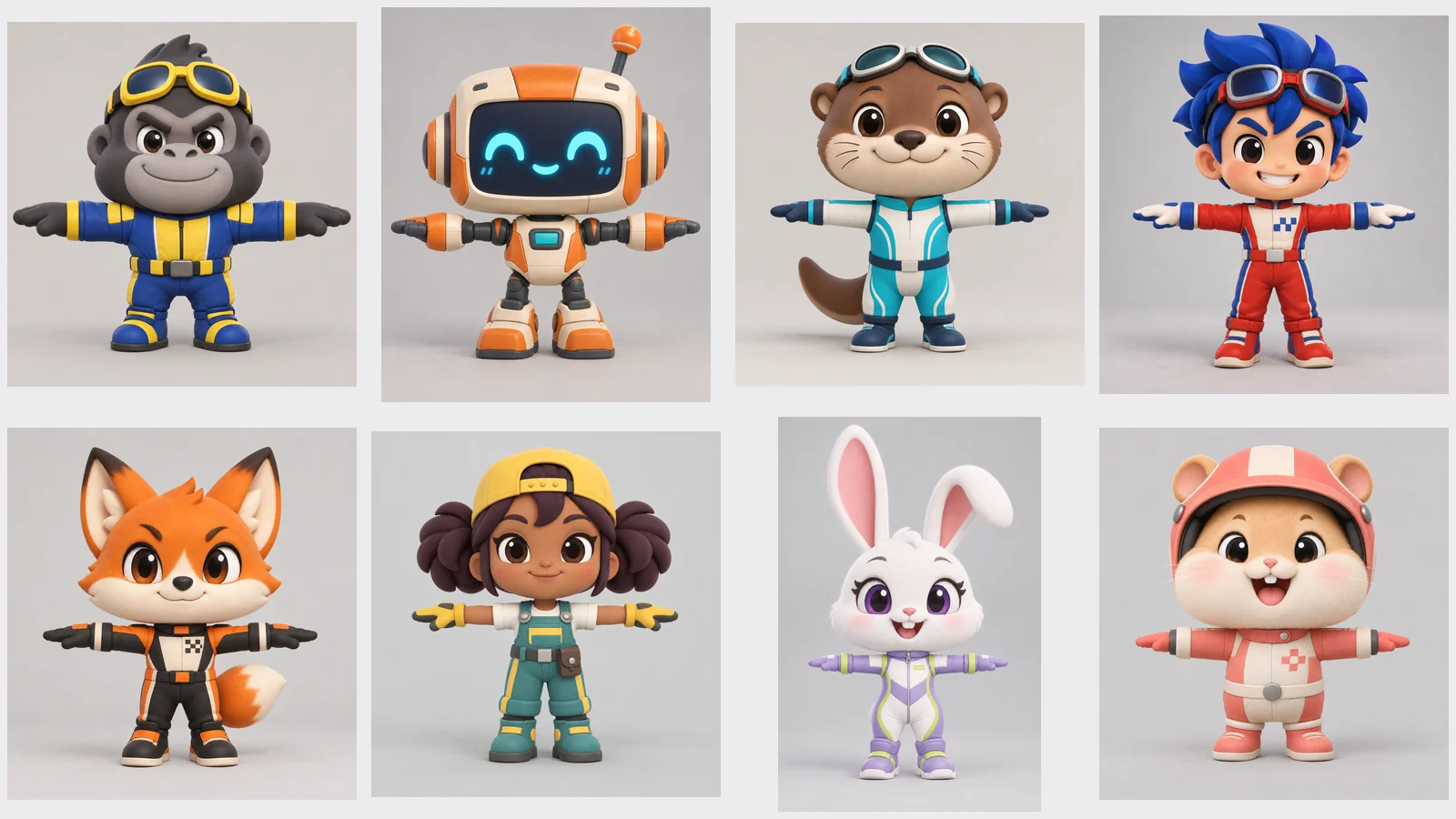
  • 8 drivers, each from one of the developer’s T-pose images, over the API (PB Slim 2)
  • 2 mascot drivers from images, over the API (Meshy 7)
  • 12 karts the developer generated in the web app (PB Slim 2)
  • 38 props from text prompts: garage and showroom pieces (PB Standard), plus buildings, trees, rocks, fountains, and trackside details (PB Slim 2)
  • 4 item models in play: an item box, a rocket, a shield, and a banana (PB Slim 2)
  • 5 crowd sprite sheets for the stands, from PicoBerry’s image generation
Eight T-pose reference images of cartoon drivers: a gorilla, a robot, a beaver, a boy, a fox, a girl mechanic, a rabbit, and a hamster
The developer

Direction and the art

  • The game idea and how it should feel
  • The reference images: T-pose images for eight of the drivers, kart designs, two concept screens, and the KARTPOP logo
  • Generating the karts in the PicoBerry web app
  • Supplying the background music (tracks by other artists)
  • Recording and editing the comparison video
How did the assets come together?

From PicoBerry’s generation records, September 22–23, 2026 (KST). Each time is when the job was requested.

  1. 12 karts requested in under three minutes, by the developer in the PicoBerry web app, from kart images with PB Slim 2.
  2. 8 drivers requested over the API within 75 seconds, each from one T-pose image.
  3. 9 garage and showroom props from text prompts with PB Standard: eight within ten seconds, among them a tool cabinet, a tire stack, and a lighthouse, then the turntable the karts stand on at 17:35.
  4. 5 landmarks, one for each track: a windmill bakery, a pharaoh temple, an alpine cable-car station, a neon arcade, and a harbor market.
  5. 17 more track props requested within 21 seconds, including trees, rocks, cottages, kiosks, villas, and riverbank reeds.
  6. Trackside details and the crowd: a service van and a street lamp, then 5 crowd sprite sheets for the stands by 10:43, and 5 fountains and sculptures for the corners at 10:50.
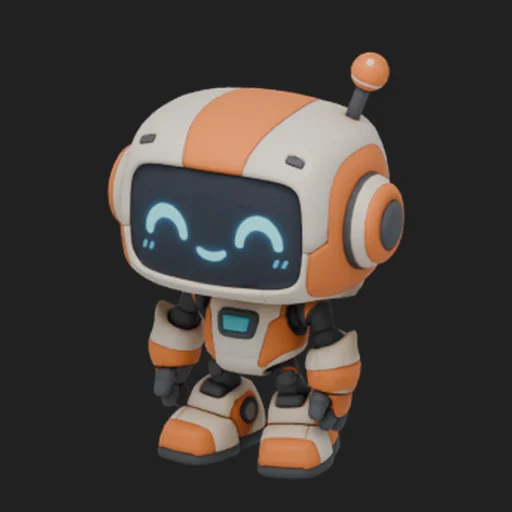
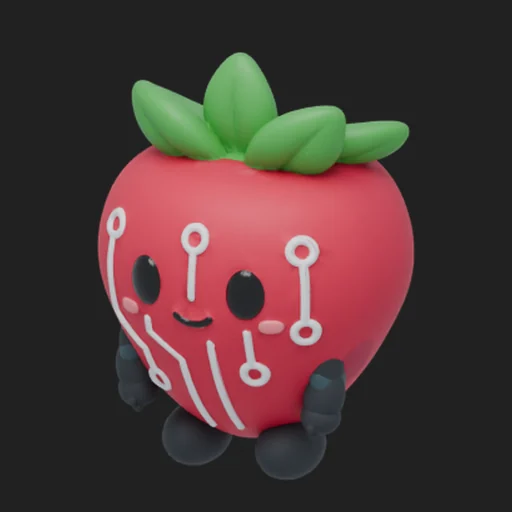
  7. 2 mascot drivers from images with Meshy 7: PicoBerry’s strawberry, then UModeler’s robot at 15:19.
  8. 6 item models requested within four minutes. The magnet was later cut from the game, and the boost item shows its can only as a flat icon, never as the 3D model.

These records cover the assets, not the code. The developer shared the finished game with the team at 17:55 on September 23, and the synchronized comparison was built on September 28.

What did PicoBerry generate for the game?

Every model below is a file the game loads, generated in the developer’s PicoBerry account on September 22 and 23.

64PicoBerry 3D models in play
683D generations over the two days; 4 aren’t in play
56of those sent over the API; the 12 karts came from the web app
160–200PicoBerry props placed along each track, approximately
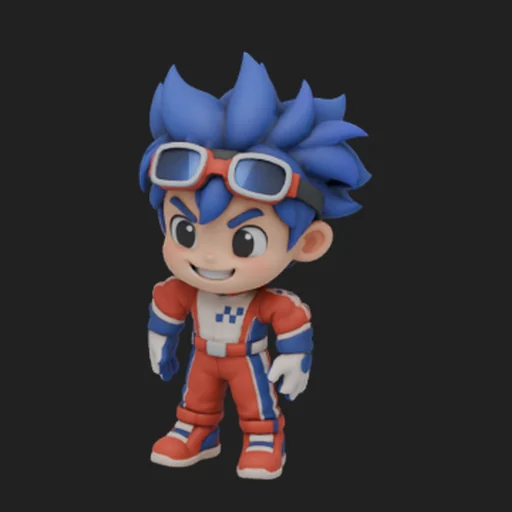
PicoBerry model of Pop Racer, a boy with spiky blue hair in a red suitPop Racer
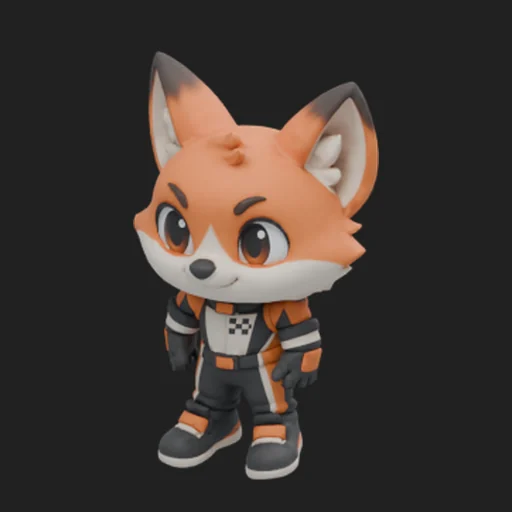
PicoBerry model of the fox driver in an orange and black racing suitFox
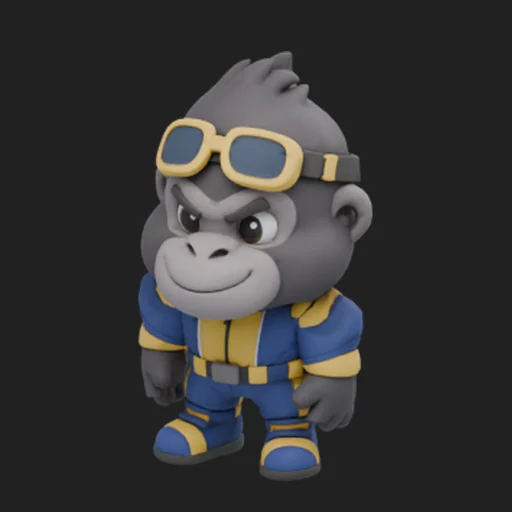
PicoBerry model of the gorilla driver in a blue suit with gogglesGorilla
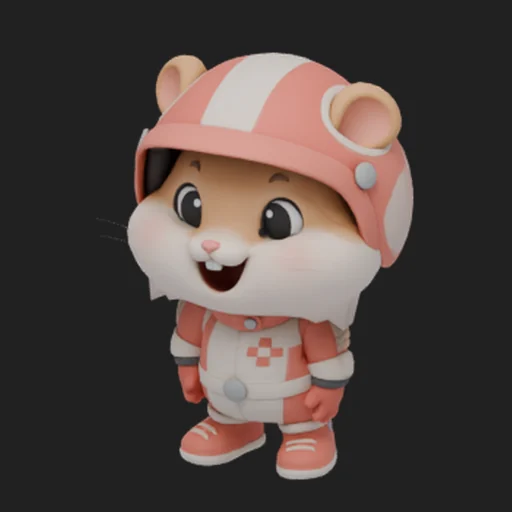
PicoBerry model of the hamster driver in a red and white helmet and suitHamster
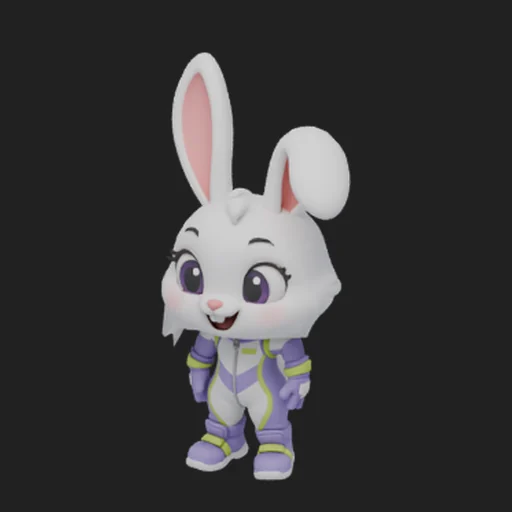
PicoBerry model of the rabbit driver in a white and lilac suitRabbit
PicoBerry model of the robot driver with a smiling screen faceRobot
The PicoBerry mascot, a smiling strawberry with circuit lines, generated with Meshy 7; its dark hands and feet were added after downloadPicoBerry mascot
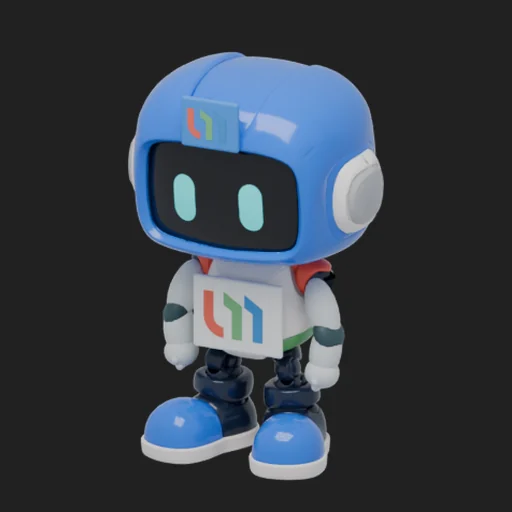
The UModeler mascot, a small blue robot generated with Meshy 7; its hands and the two UModeler logo badges were added after downloadUModeler mascot
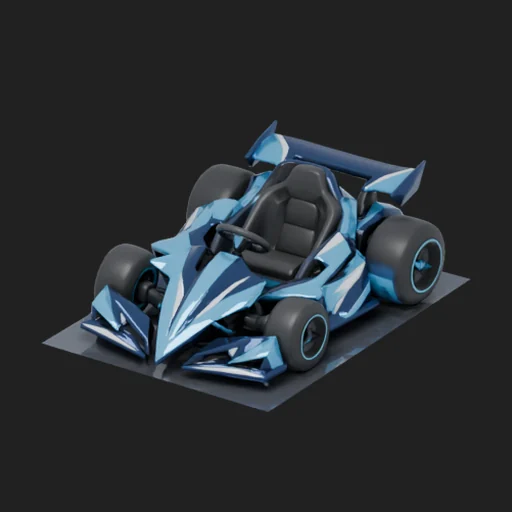
PicoBerry model of the Blue Aero kart, low and angular in blue and blackBlue Aero
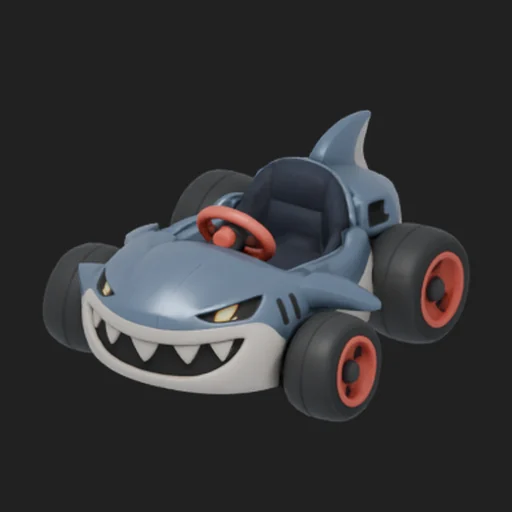
PicoBerry model of the Shark Runner kart, shark-themed with a fin and teethShark Runner
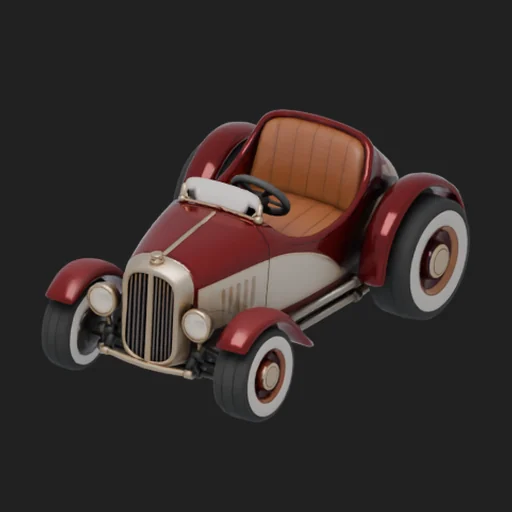
PicoBerry model of the Retro Red kart, a vintage red pedal carRetro Red
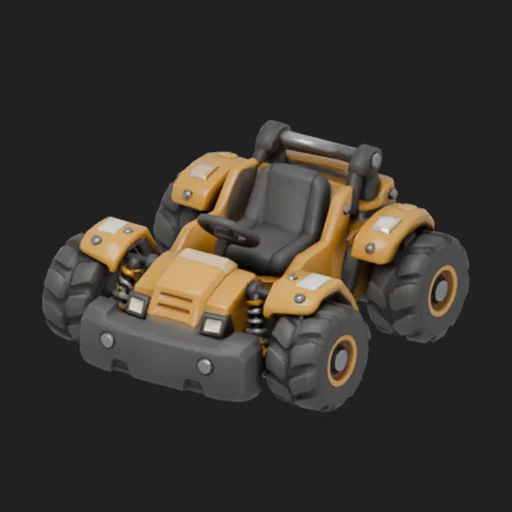
PicoBerry model of the Yellow Trail kart, a yellow off-road buggy with a roll cageYellow Trail
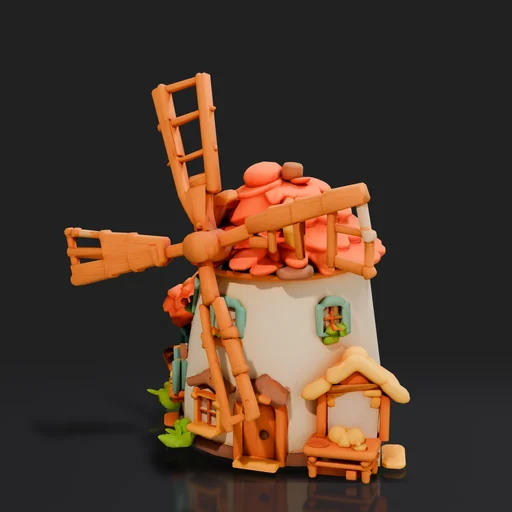
PicoBerry model of a windmill bakery buildingWindmill bakery
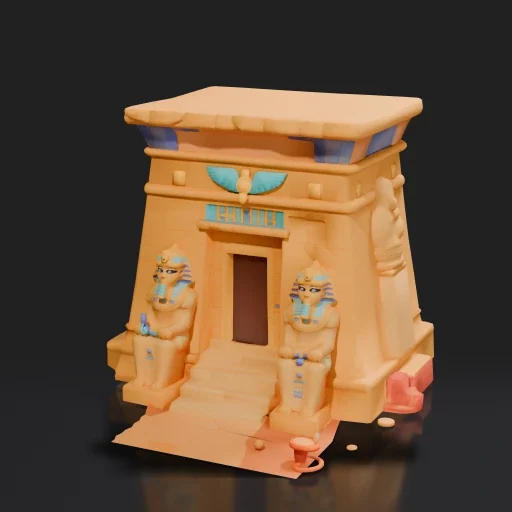
PicoBerry model of a sandstone pharaoh temple facadePharaoh temple
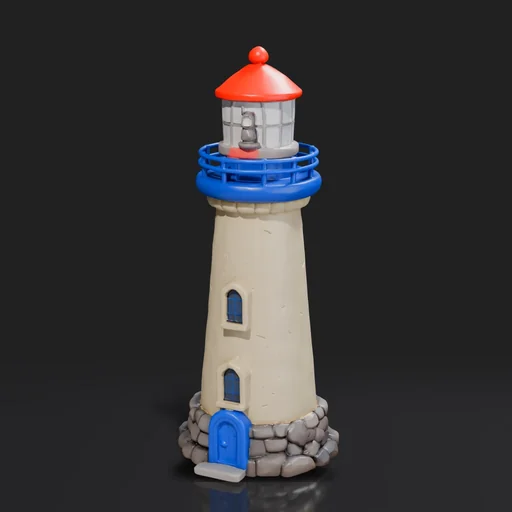
PicoBerry model of a red-capped lighthouseLighthouse
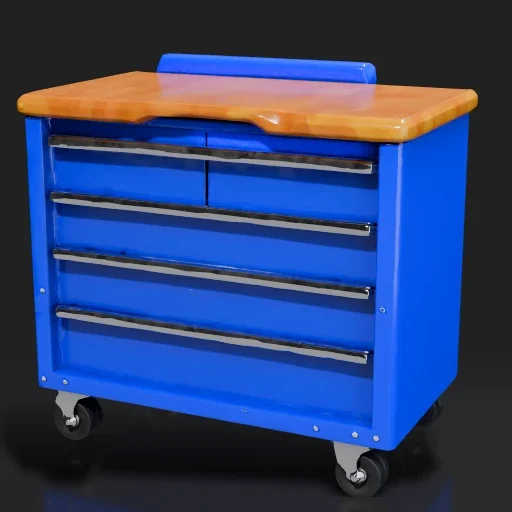
PicoBerry model of a navy blue rolling tool cabinet with a wooden topTool cabinet
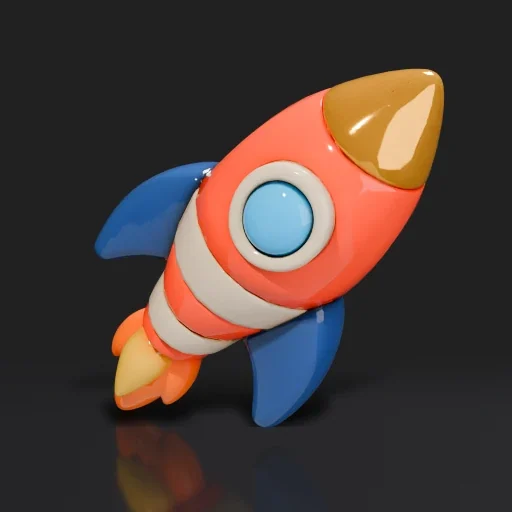
PicoBerry model of the cartoon rocket itemRocket item
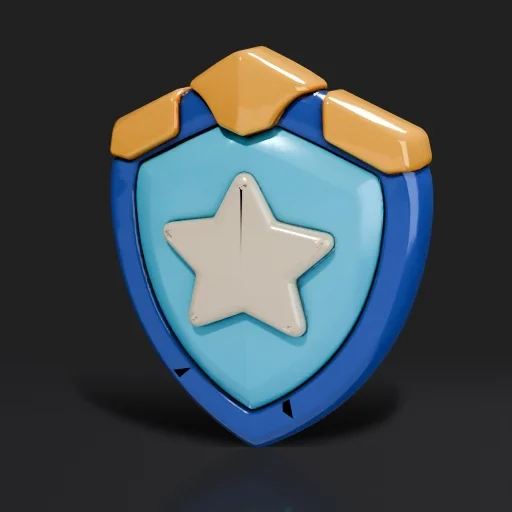
PicoBerry model of the blue shield item with a starShield item

Also from PicoBerry: the five crowd sprite sheets for the stands, made with its image generation. Of the 68 generations, four aren’t in play: a race marshal, a spare robot mascot, the magnet, and the boost can, whose 3D model ships with the game but is never shown (the boost item uses a flat icon). Not from PicoBerry: the tracks, roads, tunnels, water, and effects, which are built in code; the logo and the rank badges, which the developer supplied; and the sound effects, generated with Stable Audio.

What was added after PicoBerry?

PicoBerry’s files arrived as textured meshes. The game files show what was added to them, and around them.

Drivers

A rig and two motions

The PicoBerry downloads carry no skeleton. In the game, every driver has the same 46-joint rig and two four-second clips, Idle and Driving, exported from Blender 5.1. The shared rig even has a tail joint on drivers without tails, and the gorilla’s and the fox’s tails were cut from the mesh. Both mascots also got hands and joint caps after download; the strawberry also got feet, and the robot two logo badges.

Karts

Wheels that steer

In the game, every kart is a body plus four tires, each tire on its own steering pivot and roll node. The front wheels turn with your input, and all four roll at the kart’s speed.

Tracks

Props by the hundred

The 22 track props replaced repeated clusters of simple shapes. Each track places about 160 to 200 of them, fitted to the road and the height of the ground.

Look

Light, fog, and color

Shadows, fog tuned for each theme, a soft bloom, a vignette, and color grading went on top, in the lobby and on the track. That part is the game’s code, not PicoBerry’s.

What does the finished game look like?

Stills from the finished game, captured at 4K.

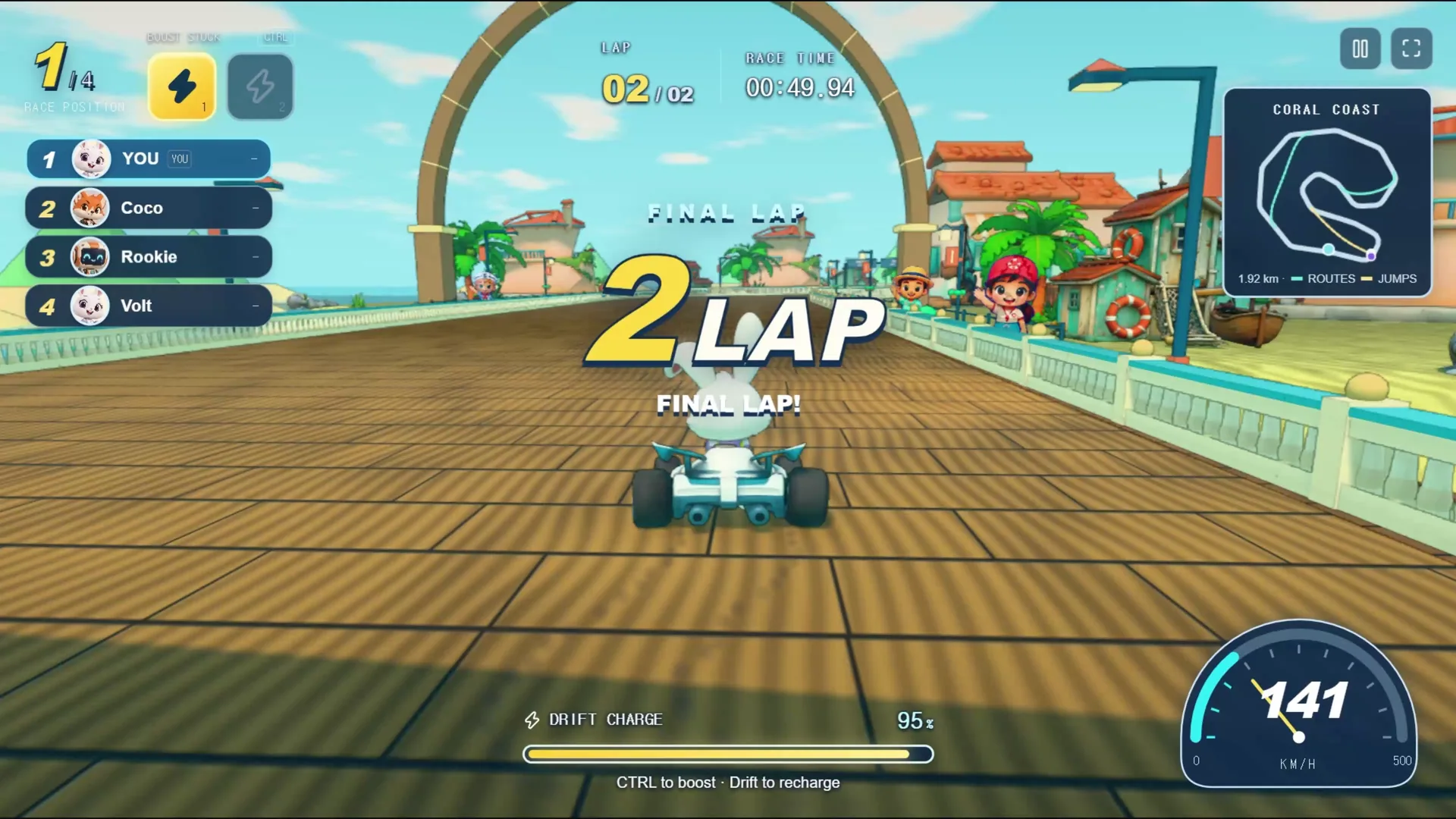
A kart on a seaside boardwalk track with a 2 LAP, Final Lap overlay in the middle of the screen and the drift charge meter below
Coral CoastThe final lap on Coral Coast, with the drift charge meter along the bottom.
A kart in the air with a bright boost trail over turquoise water
Air timeA boosted jump over the water.
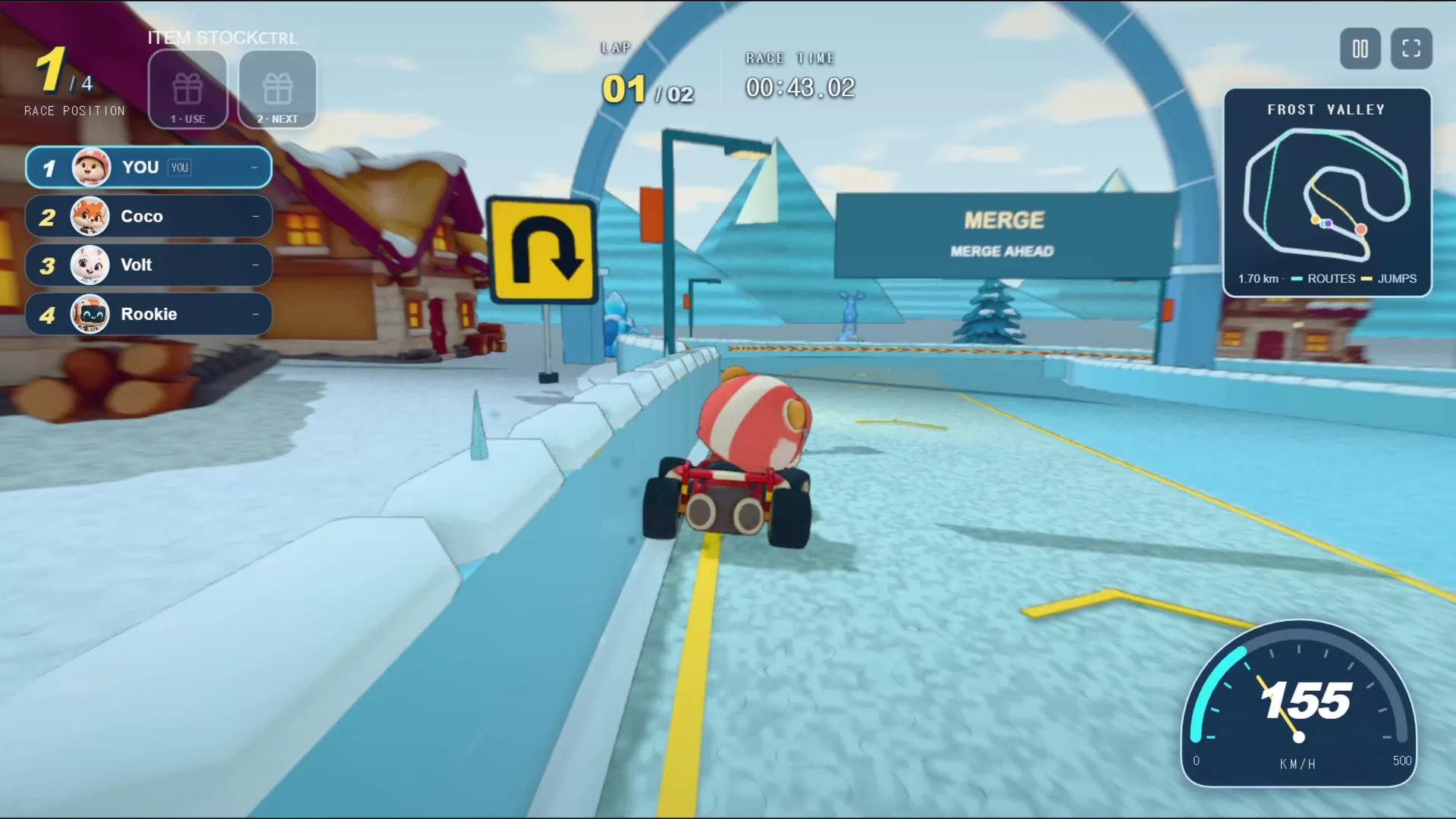
A kart on a snowy track approaching a sign that reads MERGE
Frost ValleyA merge sign on Frost Valley.
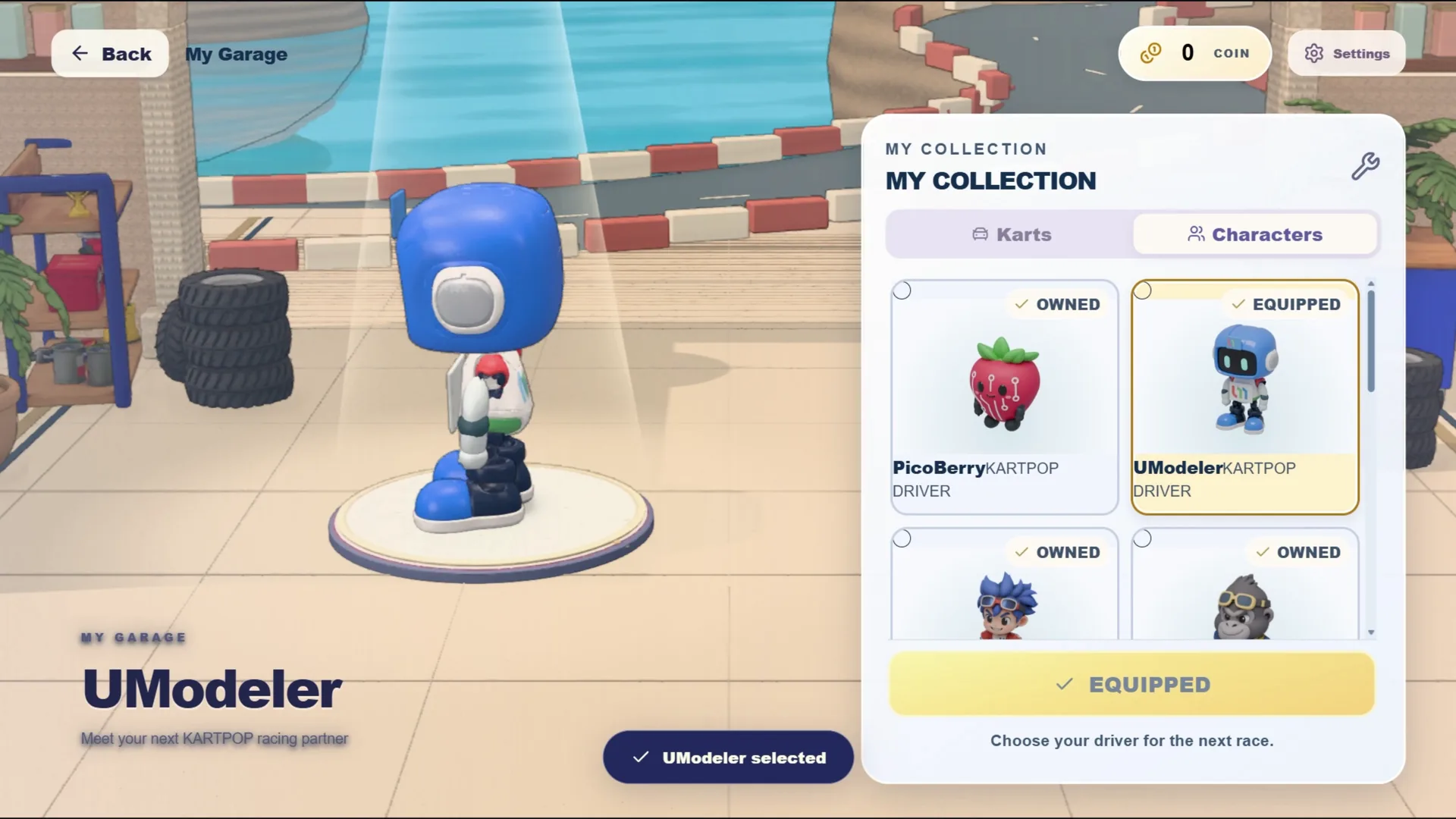
The KARTPOP garage: a blue robot mascot on a turntable beside a collection panel of drivers
GarageThe garage, with the UModeler mascot selected and the PicoBerry strawberry next to it in the collection.
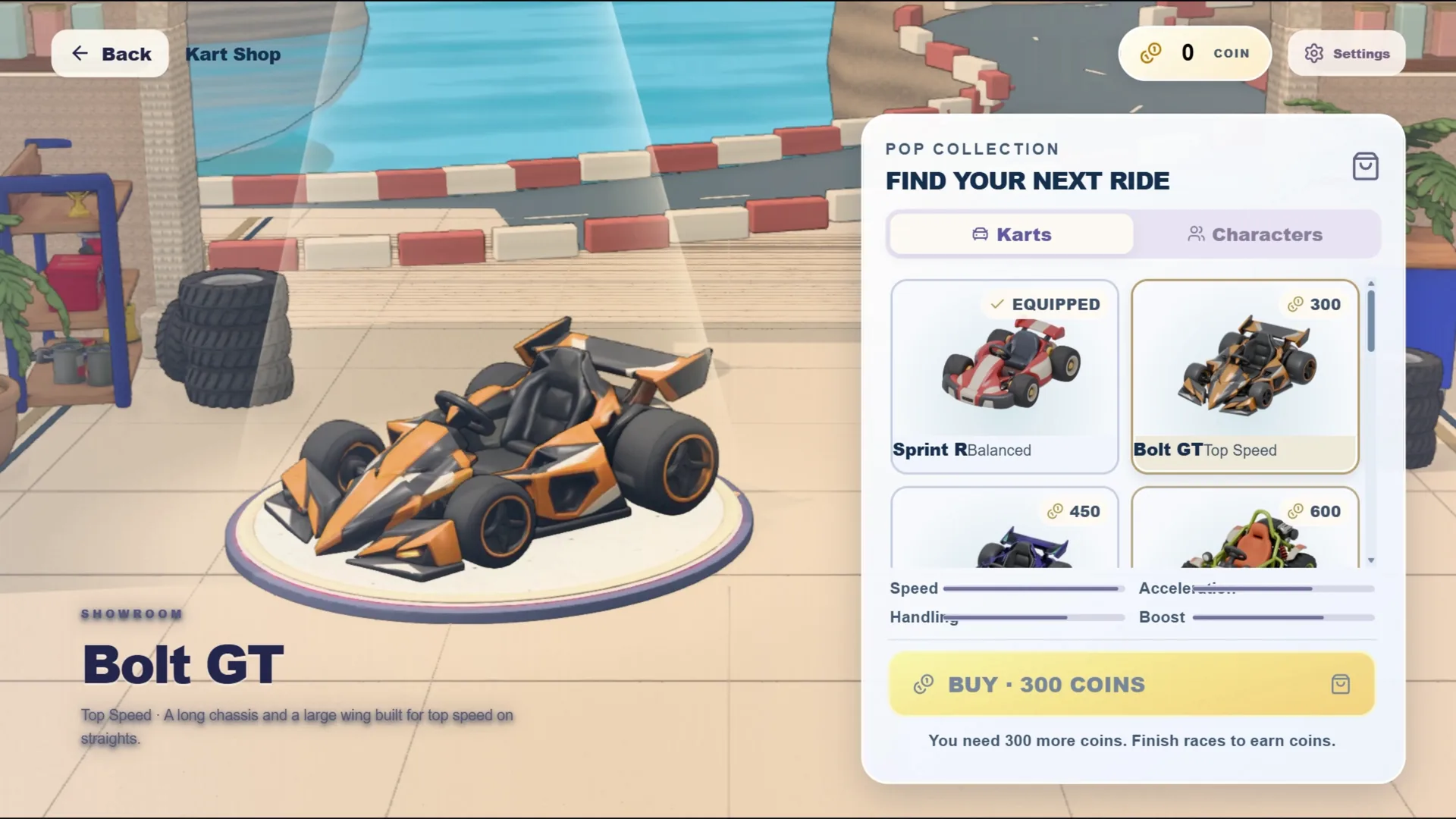
The KARTPOP kart shop: an orange and black kart on a turntable beside a list of karts and prices
ShopThe kart shop: Bolt GT for 300 coins.
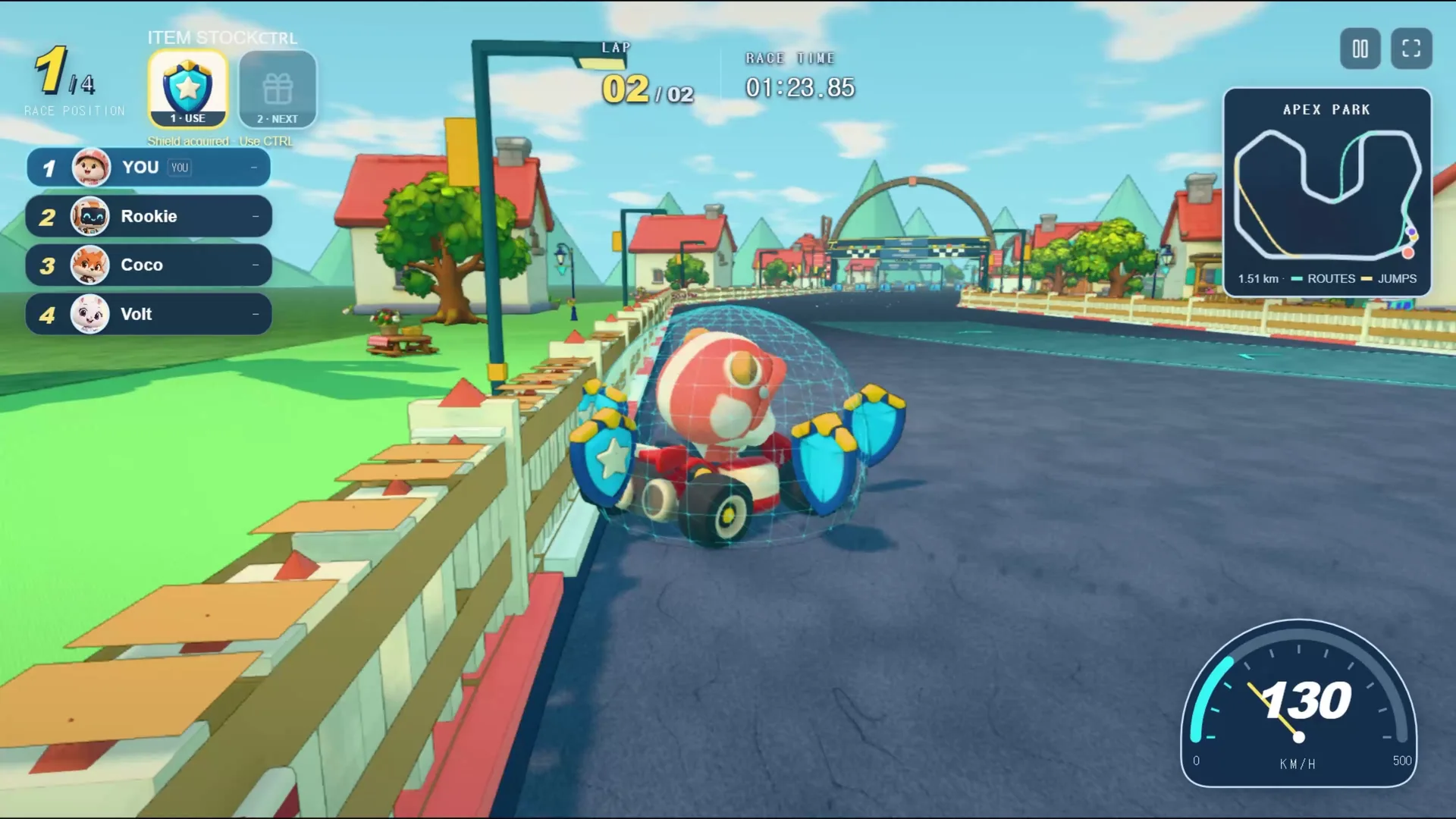
A kart on a village track surrounded by orbiting blue shields
Apex ParkThe shield item in use on Apex Park.
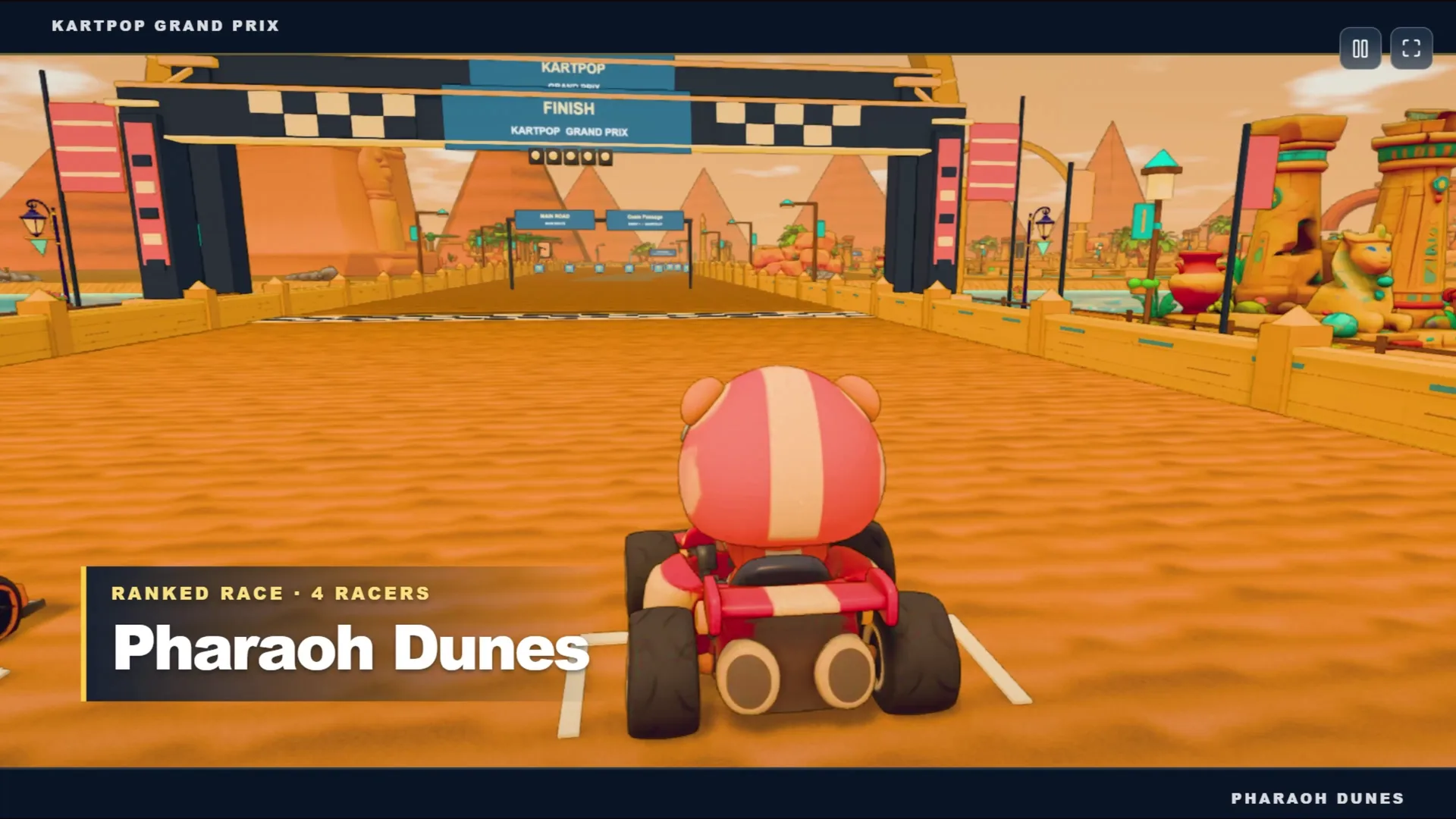
A driver in a red and white helmet in a kart facing the finish gantry on Pharaoh Dunes, with the title Ranked Race · 4 Racers at the lower left
Pharaoh DunesThe intro before a ranked race on Pharaoh Dunes.

What doesn’t KARTPOP do?

The project’s own notes list these, and they matter if you plan a similar build.

Limit 01

Rivals are the computer

Ranked races put you against three computer racers. Anyone with the link can play, but there is no online multiplayer.

Limit 02

Progress lives in the browser

Coins, karts, ranks, and best times are saved in the browser’s local storage. Clear it and they reset, and nothing carries over to another browser.

Limit 03

No measured frame rate

The code passed type checks, a production build, and automated tests of the physics, the branch routes, and the race rules. The project notes say the GPU effects and the frame rate were never measured in a real browser. The target is 60 fps; real performance depends on the device.

Limit 04

Not an assets-only comparison

The basic version on top of the video is a copy of the finished game with its PicoBerry files removed. At the developer’s request it also got an old-style grey UI, bare backgrounds, and prototype boost effects, so the video shows more than the models changing.

Frequently asked questions

Did GPT-6 Sol write all of the game’s code?

The developer says KARTPOP was built by prompting GPT-6 Sol, which produced the three.js game, its tests, and the deploy. This page has the project’s notes and files, not the conversation, so it can’t show which session wrote which part. The developer’s own part was direction and art: the reference images, the karts generated in the PicoBerry web app, the background music, and the comparison video.
Why did the GPT-6 Sol version look like basic shapes?

The version in the video has no model files. For the comparison, a copy of the finished game had every PicoBerry file removed and its drivers and karts rebuilt from primitives in code, with the same choices and handling; at the developer’s request it also got an old-style grey UI, bare backgrounds, and prototype boost effects. In the developer’s account, GPT-6 Sol’s own drivers and karts looked like that too.

How did GPT-6 Sol use PicoBerry?

PicoBerry’s records show the project using the PicoBerry API: 56 API jobs over two days — the eight drivers from T-pose images, the two mascots and five of the six items from images, and everything else (the props, the item box, and two unused characters) from text prompts. The developer says the game was built with GPT-6 Sol; the records don’t show which coding session sent each job. The game’s asset manifests keep the prompt and the generation ID for each prop. The 12 karts were the exception; the developer generated those in the PicoBerry web app.

Did PicoBerry rig the characters?

No. The drivers came from PicoBerry as textured meshes, and the 46-joint rig and the Idle and Driving clips were added afterwards in Blender. Both mascots also got hands and joint caps after download; the strawberry also got feet, and the robot two logo badges. PicoBerry’s own auto-rigging and animation library weren’t used in this build.

Which PicoBerry AI models did the game use?

PB Slim 2 for eight drivers, the karts, the track props, and the items; Meshy 7 for the two mascot drivers; and PB Standard for the garage and showroom props. The drivers, the karts, and most items started from images, one per model, and every prop from a text prompt.

Did the developer try another coding model?

Yes. In the developer’s words, the same kart racer made with Opus 5.5 came out looking about the same, still basic shapes. That is one person’s experience, not a benchmark, and this page doesn’t show the Opus version. The developer’s conclusion was that changing the model didn’t change the art; new PicoBerry characters and karts, then work on the background, UI, and effects, did.

Can I play KARTPOP?

Yes, in a browser with WebGL2, at neon-rush-racing.umodeler-inc-4323.chatgpt.site: keyboard on desktop, on-screen buttons on mobile. Races are two laps, ranked races are against three computer racers, and your progress is saved in that browser only.

How long did it take to build KARTPOP?

The asset side is on record. PicoBerry ran the 68 3D generations on September 22 and 23, and the developer shared the finished game on the 23rd; the synchronized comparison followed on September 28. The records don’t show how long the code took.

Give your game the 3D assets it’s missing

Start in the PicoBerry web app, or connect the API to the agent you already use.