Case study · GPT-6 ASTRA × PicoBerry

GPT-6 ASTRA game development — ASTRA codes the game, PicoBerry makes its 3D assets

The Legend of Deller is an action RPG that runs in a desktop browser. GPT-6 ASTRA wrote it inside Codex and shipped it to a public link; PicoBerry supplied the 3D models, the humanoid rigs, and library animations. One developer steered both. The build steps below come from the 842-message conversation archive, and the developer’s own account fills in the rest.

The final-boss fight against Vael, the Stormbound King. ASTRA wrote the fight; the boss model came from PicoBerry.

Built withGPT-6 ASTRACodexPicoBerry APIthree.jsChatGPT Sites

Can GPT-6 ASTRA build a playable 3D game?

Yes — with a person steering and PicoBerry supplying the 3D assets. For The Legend of Deller, GPT-6 ASTRA wrote the combat, three connected scenes, the cameras, the UI, and the developer’s own editing tools inside Codex. It called the PicoBerry API for the 3D models, the humanoid rigs, and library animations, built the animals’ four-legged rig and several motions itself, and deployed the result to a public ChatGPT Sites link. The developer directed rather than coded: setting the feel, supplying the village layout, and placing the final details by hand. It is a playable prototype, not a finished game.

Who did what — GPT-6 ASTRA, PicoBerry, or the developer?

A viewer on X asked: “Astra on the game loop, PicoBerry on assets?” That is mostly accurate. Here is the full split, from the conversation archive and the game files.

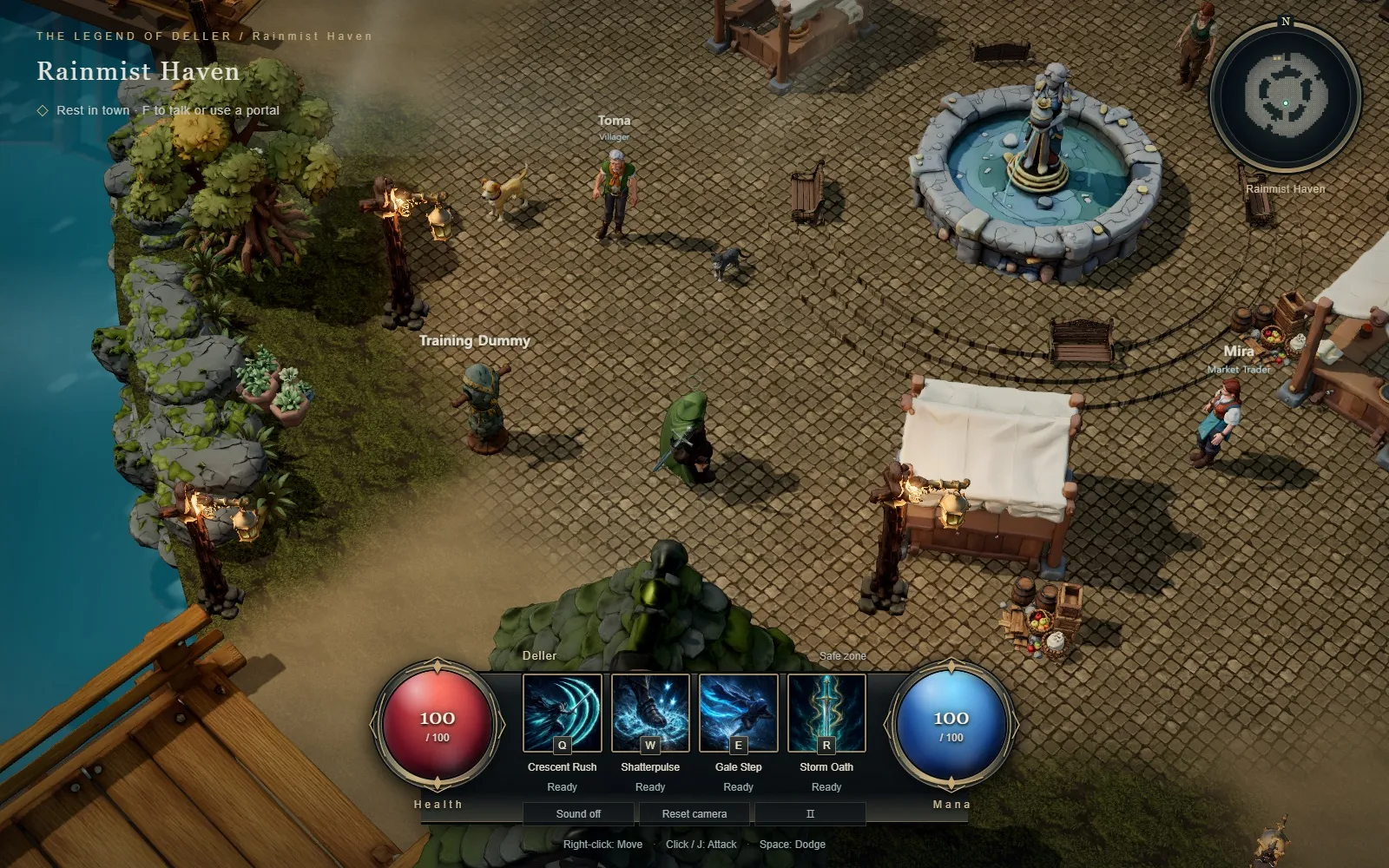
The Legend of Deller in Rainmist Haven: health and mana orbs, four skill slots, NPC names, and a round minimap
GPT-6 ASTRA

The game loop, and everything around it

  • Combat with four skills, one of them a transform
  • Three connected scenes, with cameras and cutscenes
  • Post-processing and the HUD
  • A placement editor and an animation workshop for the developer
  • The animals’ four-legged rig and several motions of its own
  • English localization, lighter loading, and the deploy
  • Concept art for the new scenes, made with Codex’s built-in image tool
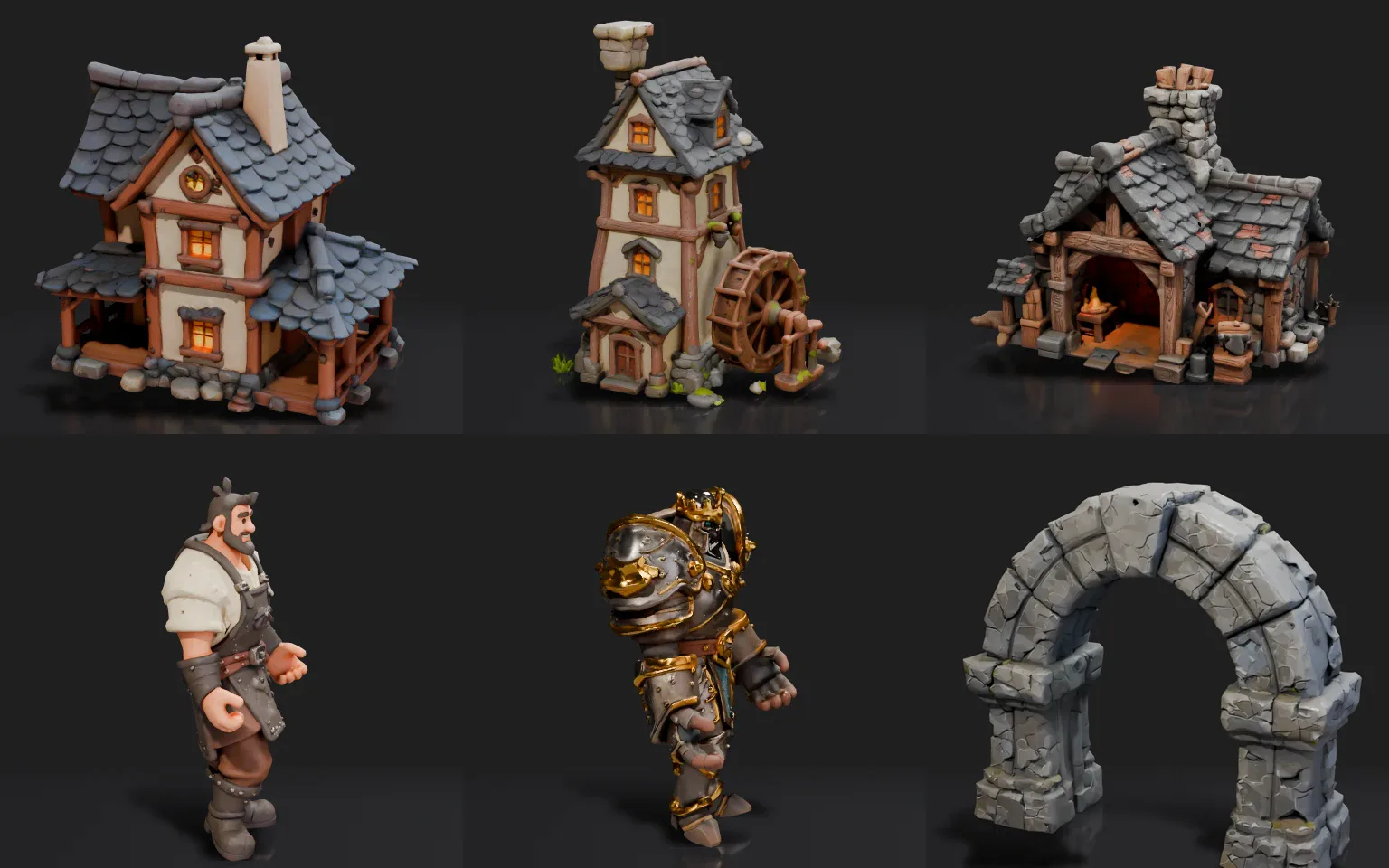
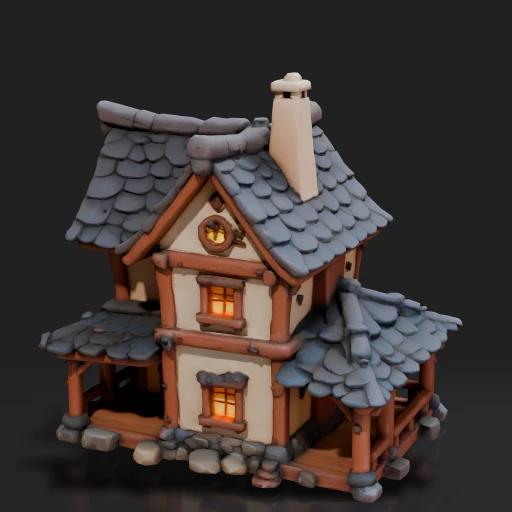
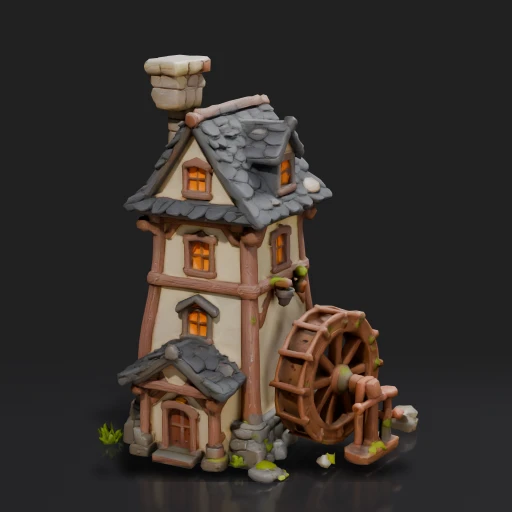
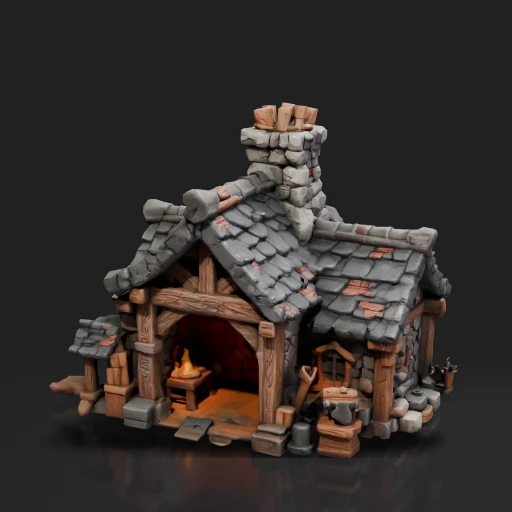
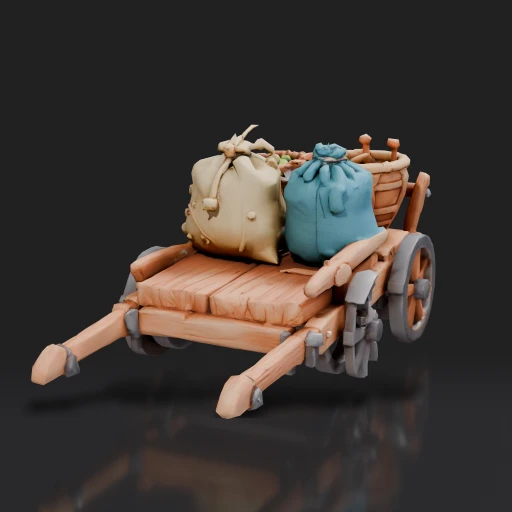
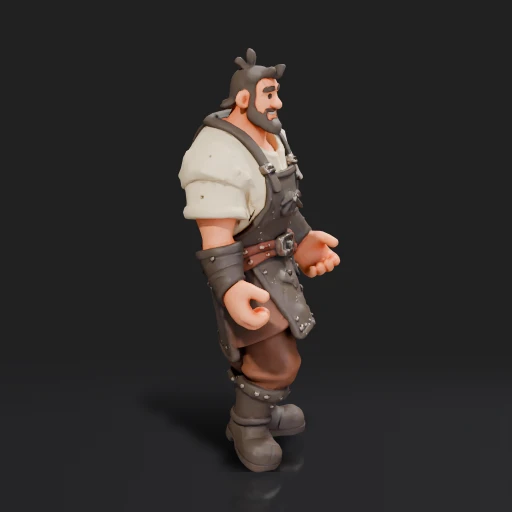
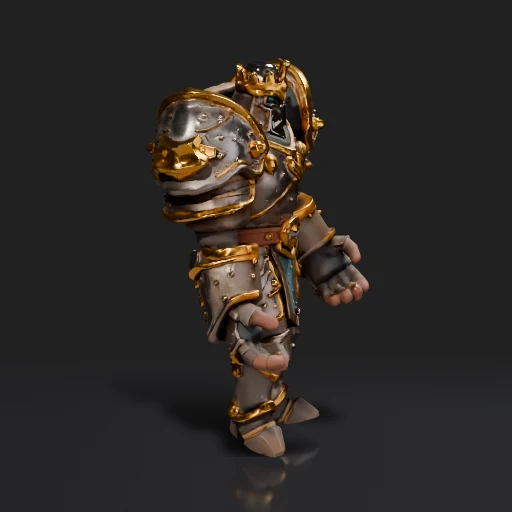
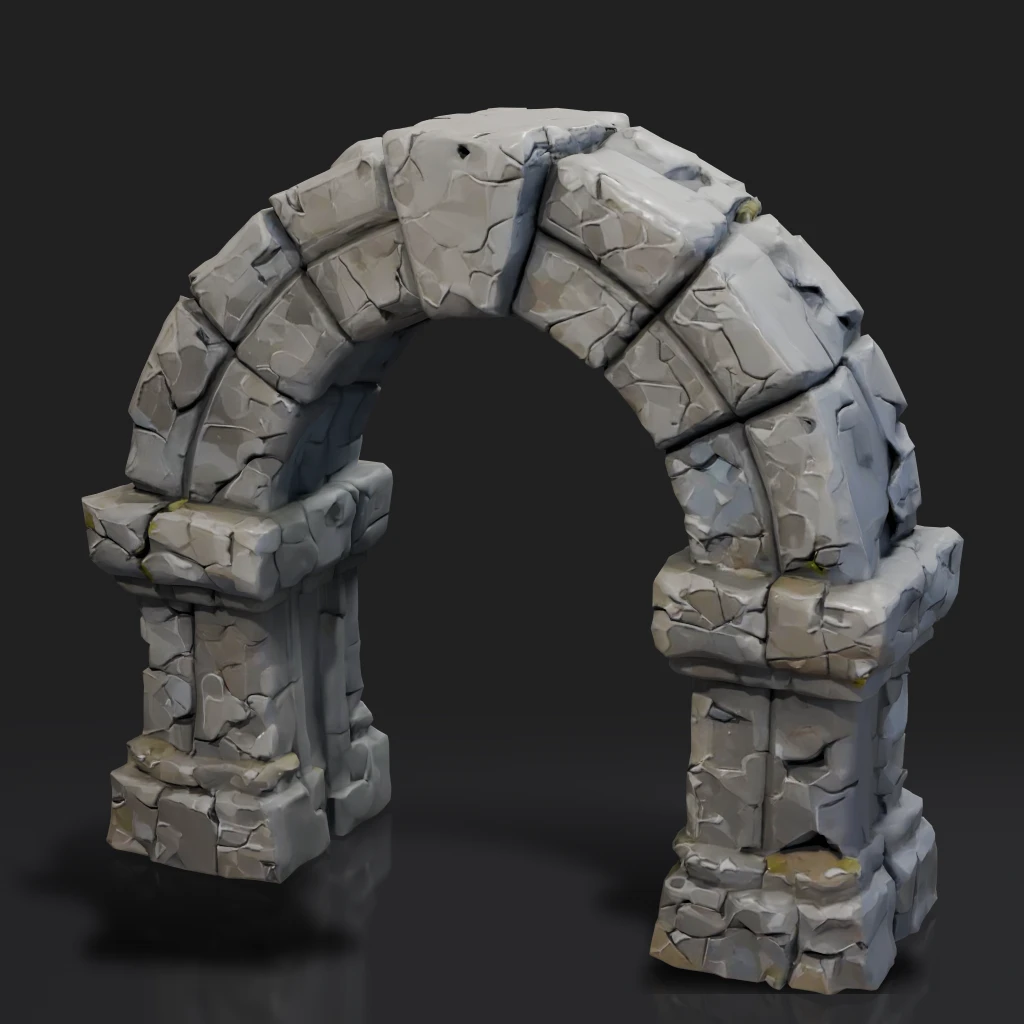
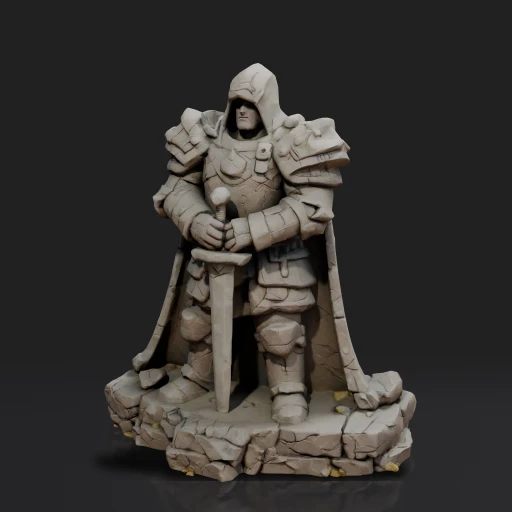
Six PicoBerry-generated models from the game: an inn, a watermill, a forge, the blacksmith NPC, the final boss, and a stone dungeon arch
PicoBerry

The things you can see

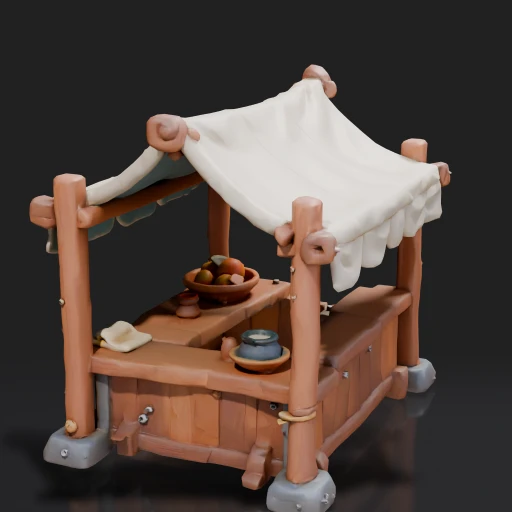
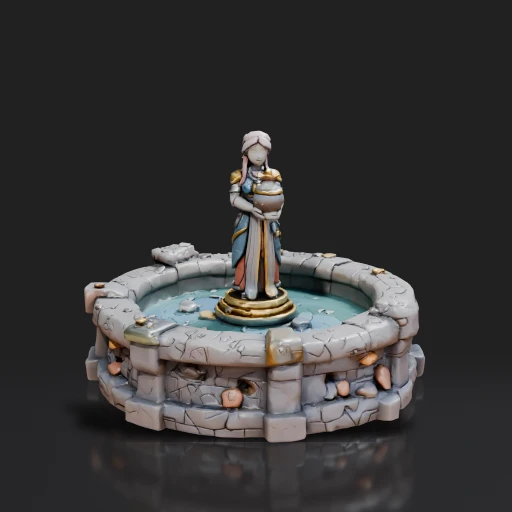
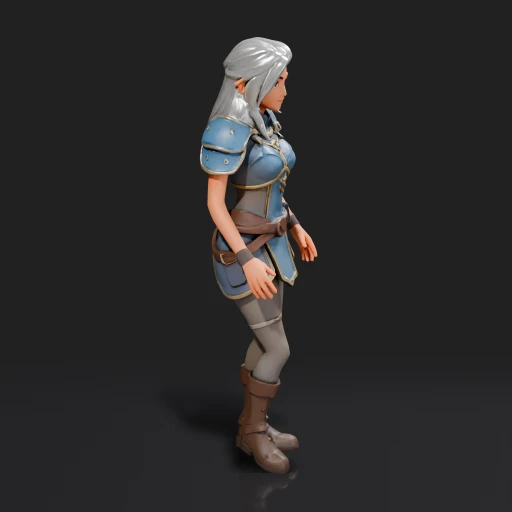
  • 3D models: buildings, props, NPCs, animals, and both bosses
  • Auto-rigs for every humanoid character
  • Library animations for base motions
  • 2D game art: skill icons and effect textures

ASTRA wrote the prompts and sent most of the jobs; PicoBerry sent back the files. The model folder holds 158 GLB files: 113 unique models, plus source copies, LODs, and animation variants.

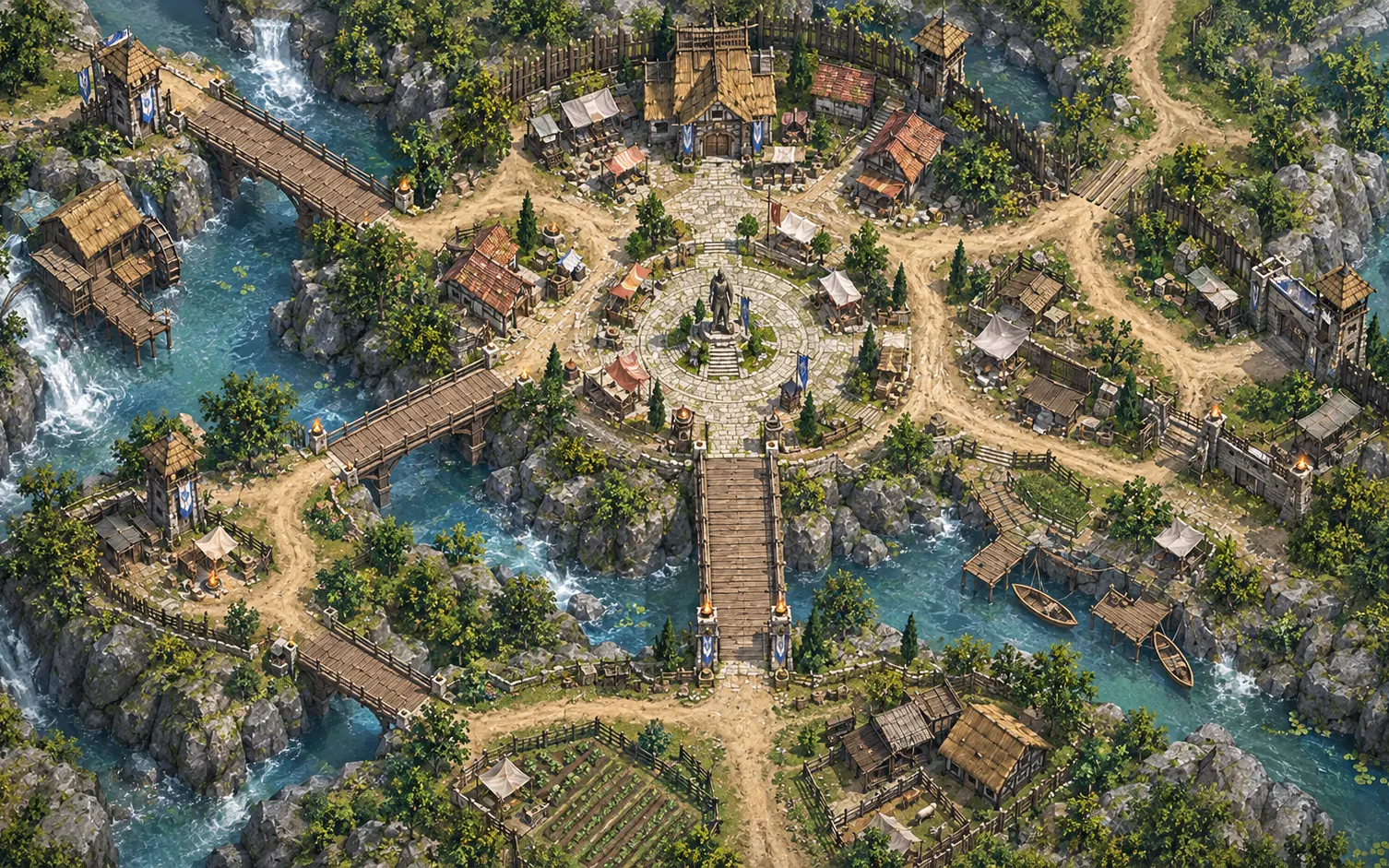
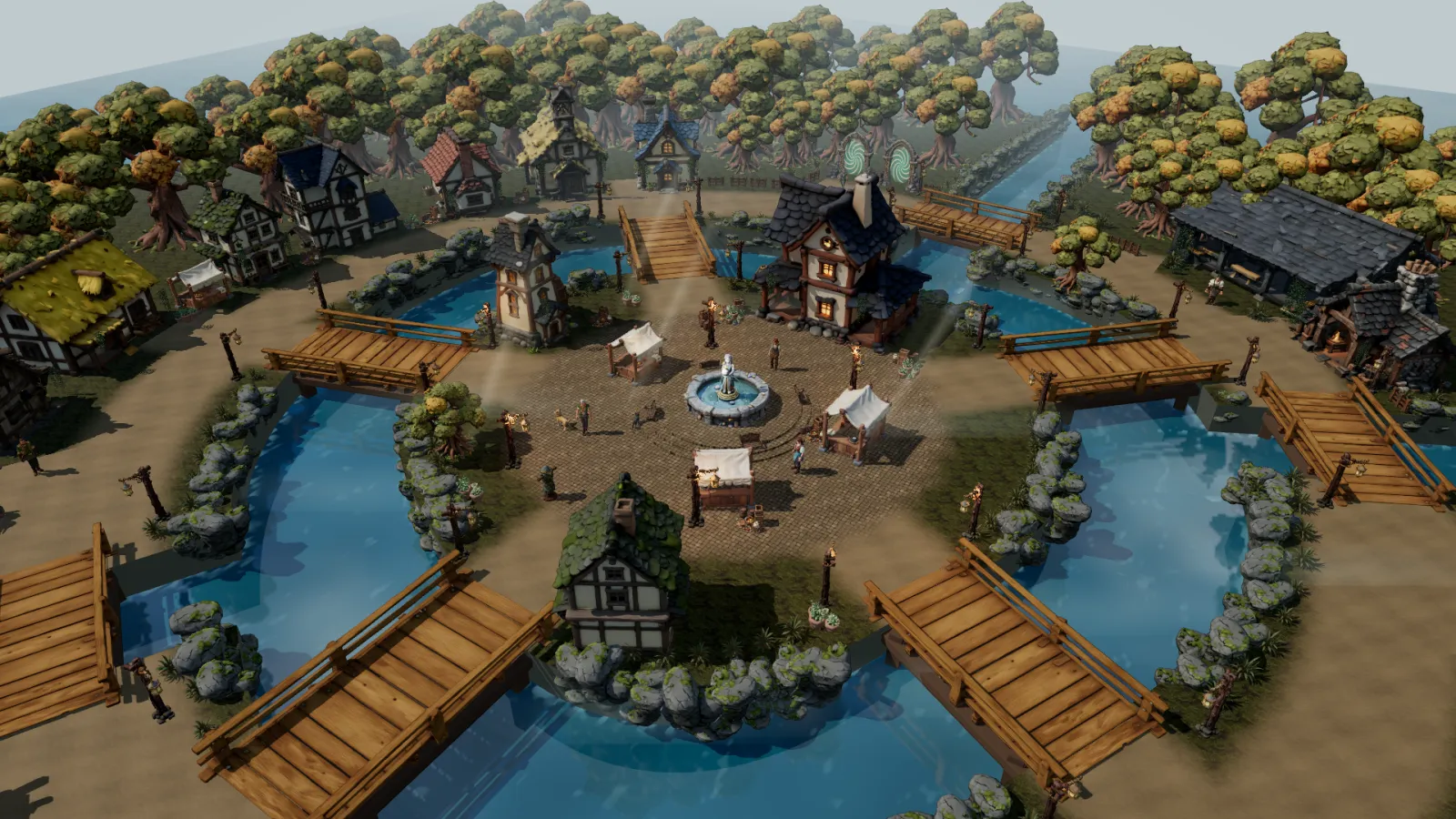
The aerial village layout reference the developer gave ASTRA: a round central plaza, rivers, wooden bridges, and farm plots
The developer

Taste, layout, and the final say

  • Chose the three spaces: village, dungeon, boss arena
  • Handed ASTRA this layout reference for the village
  • Refined the combat feel over many messages
  • Picked library animations and generated two boss animations in PicoBerry directly
  • Set the final village layout by hand in ASTRA’s editor

339 of the 842 messages are the developer’s.

How did the build unfold?

Four stretches of one Codex conversation, September 7–9, 2026 — days after GPT-6 ASTRA’s public release on September 4. The conversation picked up a small three.js prototype the developer had started earlier.

Step 01 · Sept 7–8

Combat first

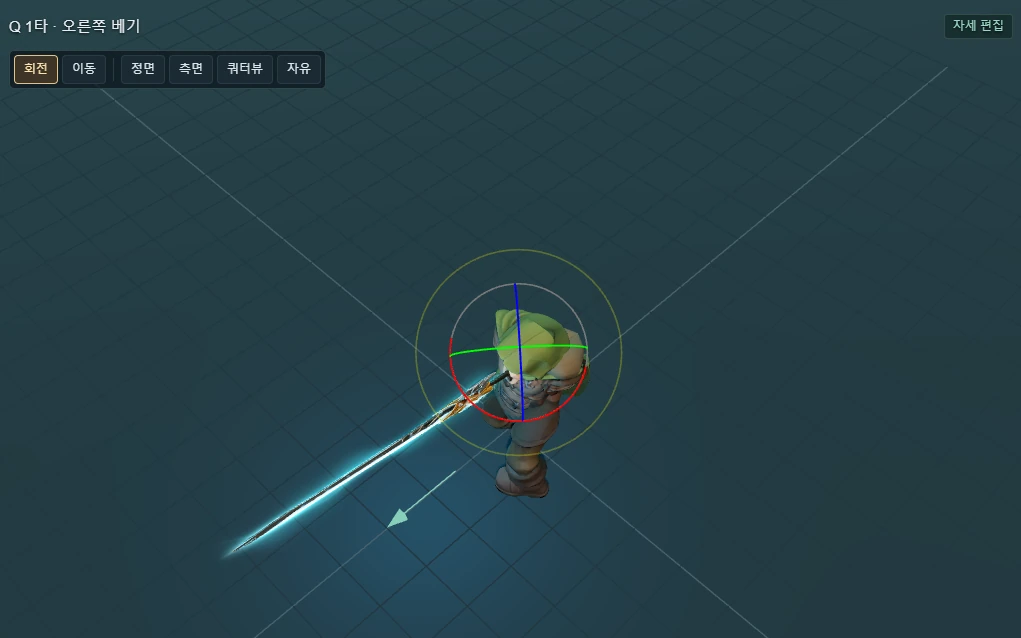
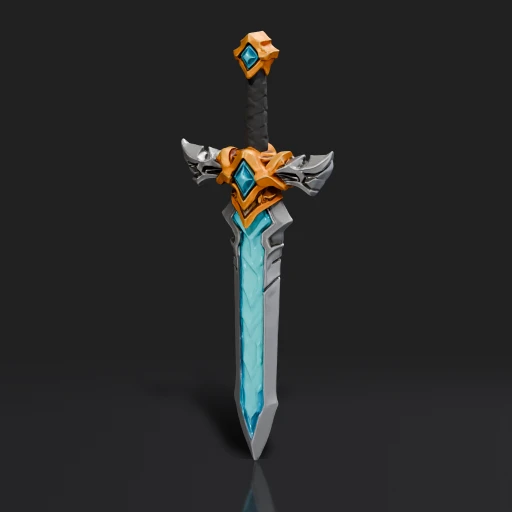
ASTRA grew the prototype into a combat system with four skills — a dash combo, a stun, a mobility step, and a transform that swaps in a new sword — then reworked the timing over many requests. When the developer wanted to adjust poses by hand, ASTRA built an animation workshop.

Step 02 · Sept 8, 18:43

The 54-minute handoff

The developer asked for two new scenes and went home. ASTRA reported both done 54 minutes later: 25 new PicoBerry models, 14 animations, three rigged NPCs, and a play-tested path to the boss.

Step 03 · Sept 9, morning

Human layout, agent tools

The developer supplied a layout reference. ASTRA rebuilt the village around it, generated seven more building types in PicoBerry, and added a W/E/R placement editor so the developer could finish the layout by hand.

Step 04 · Sept 9, evening

Ship it

English text everywhere, a name, the editors stripped from the public build, and animation data cut from about 60 MB to 9.9 MB. The first ChatGPT Sites deploy lost the saved layout; the developer caught it, and the second deploy passed a check in a fresh browser with the layout intact.

What happens when you hand GPT-6 ASTRA a brief and leave?

On the evening of September 8 the developer asked for a new village and a boss arena, then went home. This is what came back, with timestamps from the conversation archive (KST).

“Yes — build it as drawn. Use PicoBerry for every asset and put the effort into detail. Make both scenes — I’m heading home, so please get it right in one go. You know to rig all the NPCs, right? I’m counting on you.”

The brief, 18:43 — translated from Korean
  1. ASTRA splits the work into two standalone scenes and keeps the existing dungeon.
  2. 19 key assets requested from PicoBerry — building exteriors, market tents, a fountain, lanterns, planters, and boss-arena decorations — and a cast of three NPCs: an innkeeper, a blacksmith, and a portal warden.
  3. PicoBerry’s auto-rig rejects the innkeeper: the model came out with its arms against its waist. ASTRA redraws a T-pose reference and regenerates it.
  4. All three NPCs rigged, each with idle, walk, and greet motions.
  5. Play-tested in the browser: NPC dialogue → bridge → portal → boss fight → skill hit. ASTRA counts 41 bones in each NPC rig.
  6. Done: 25 new models and 14 animations from PicoBerry, build and type checks passing.
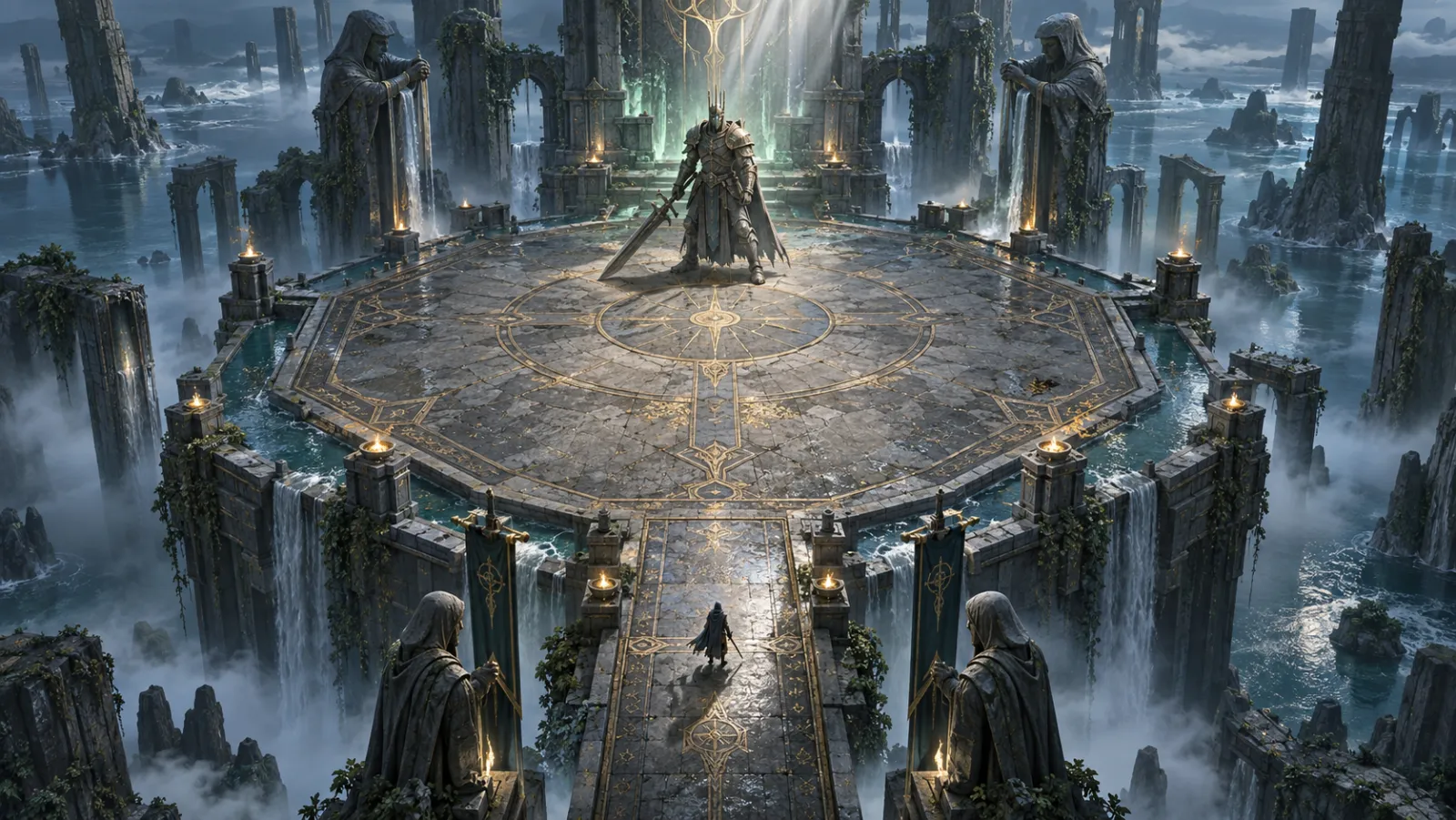
ASTRA’s boss-arena concept: an octagonal stone floor surrounded by mist, waterfalls, hooded statues, and a light shaft on an armored guardian
Asked forThe boss-arena concept ASTRA drew with Codex’s built-in image tool, minutes before the brief. It is one of the two drawings the brief says to build.
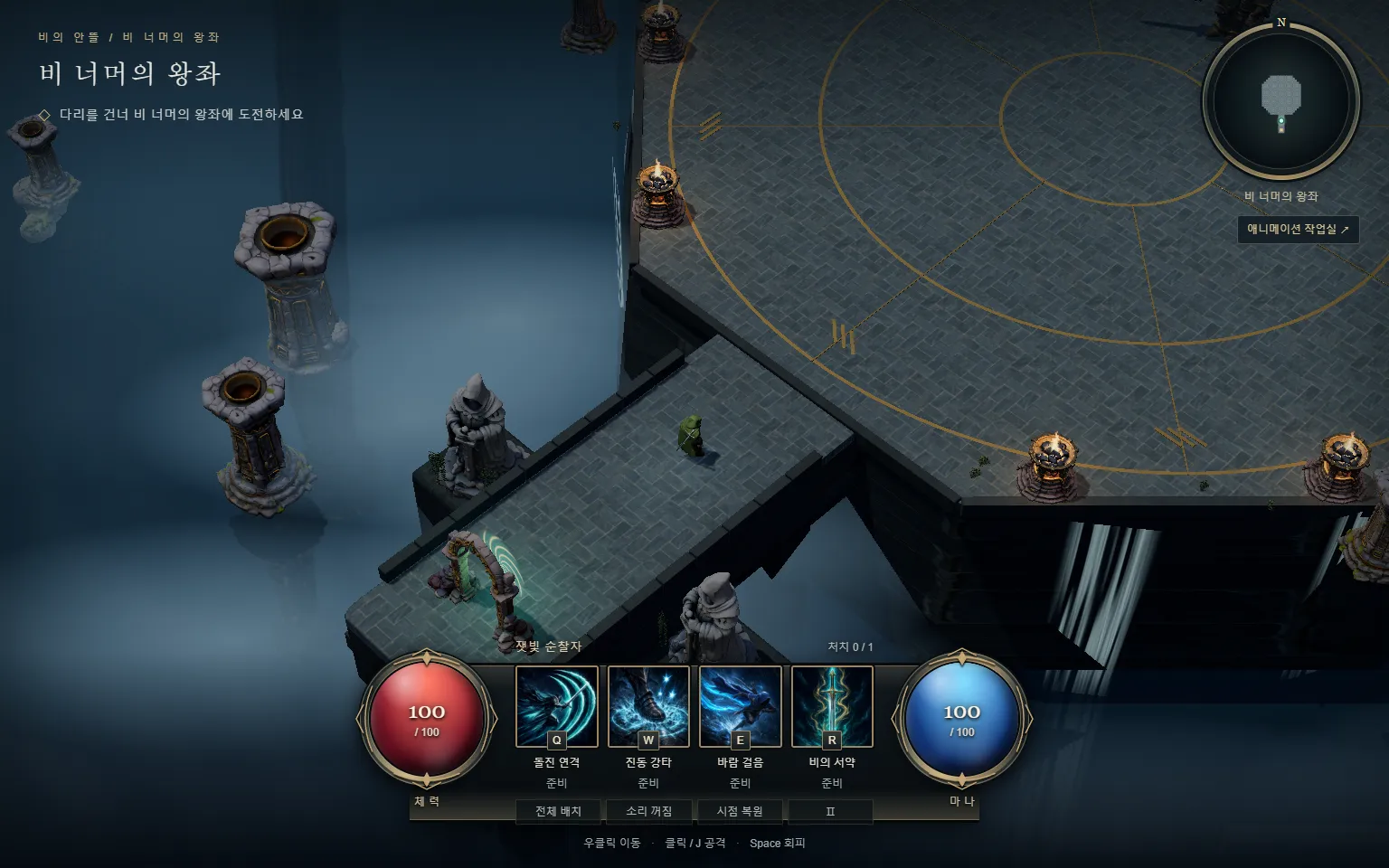
An early capture of the boss arena: the hero on a stone bridge leading to an octagonal arena with braziers and hooded statues, Korean UI
Came backAn early capture of the boss arena from this build, with the Korean UI it had before the English pass.

What did ASTRA build that isn’t the game?

Whenever the developer wanted to do something by hand, the answer was a tool from ASTRA rather than a separate 3D app. None of these ship in the public build.

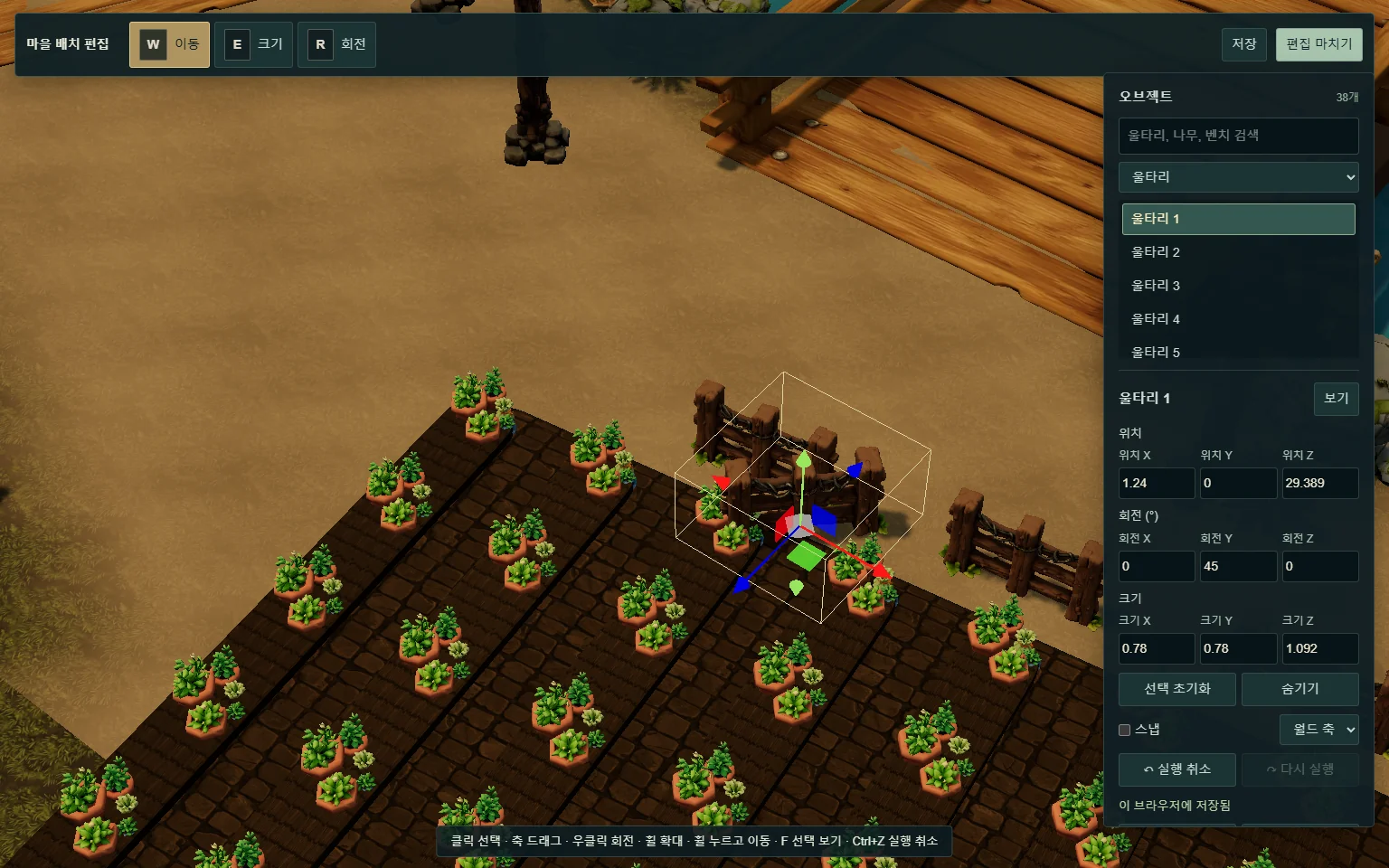
ASTRA’s in-browser placement editor with a fence selected: a transform gizmo plus position, rotation, and scale fields (Korean UI)
Tool 01

Placement editor

Click any object, then W to move, E to scale, R to rotate — or type exact values. Undo, duplicate, browser auto-save, and layout export. ASTRA could assemble a scene; the developer used this editor to put each piece where it belonged.

ASTRA’s animation workshop: the hero mid-swing with the transformed sword, a bone rotation gizmo, and front, side, and quarter-view buttons (Korean UI)
Tool 02

Animation workshop

A timeline, bone gizmos, and keyframes on the game’s own character, with front, side, and quarter-view cameras. A PicoBerry library animation went in as the starting point; the developer reshaped it here and told ASTRA exactly what to change.

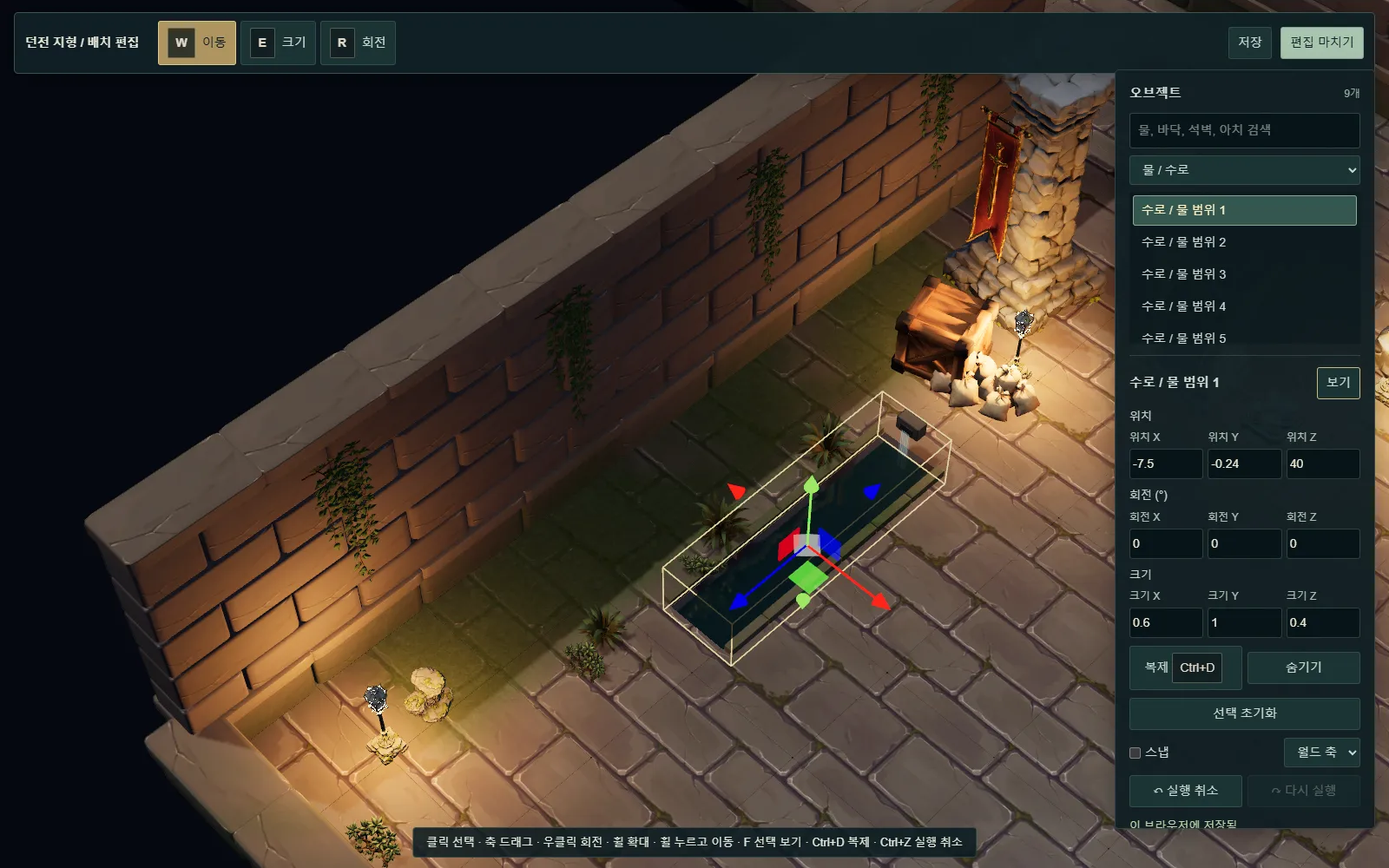
The dungeon terrain editor with a water channel selected and scaled down next to a brick wall (Korean UI)
Tool 03

Terrain and water editor

Walls, floors, and water volumes as editable boxes. When water blocked an entrance, the developer resized it directly instead of describing coordinates in chat.

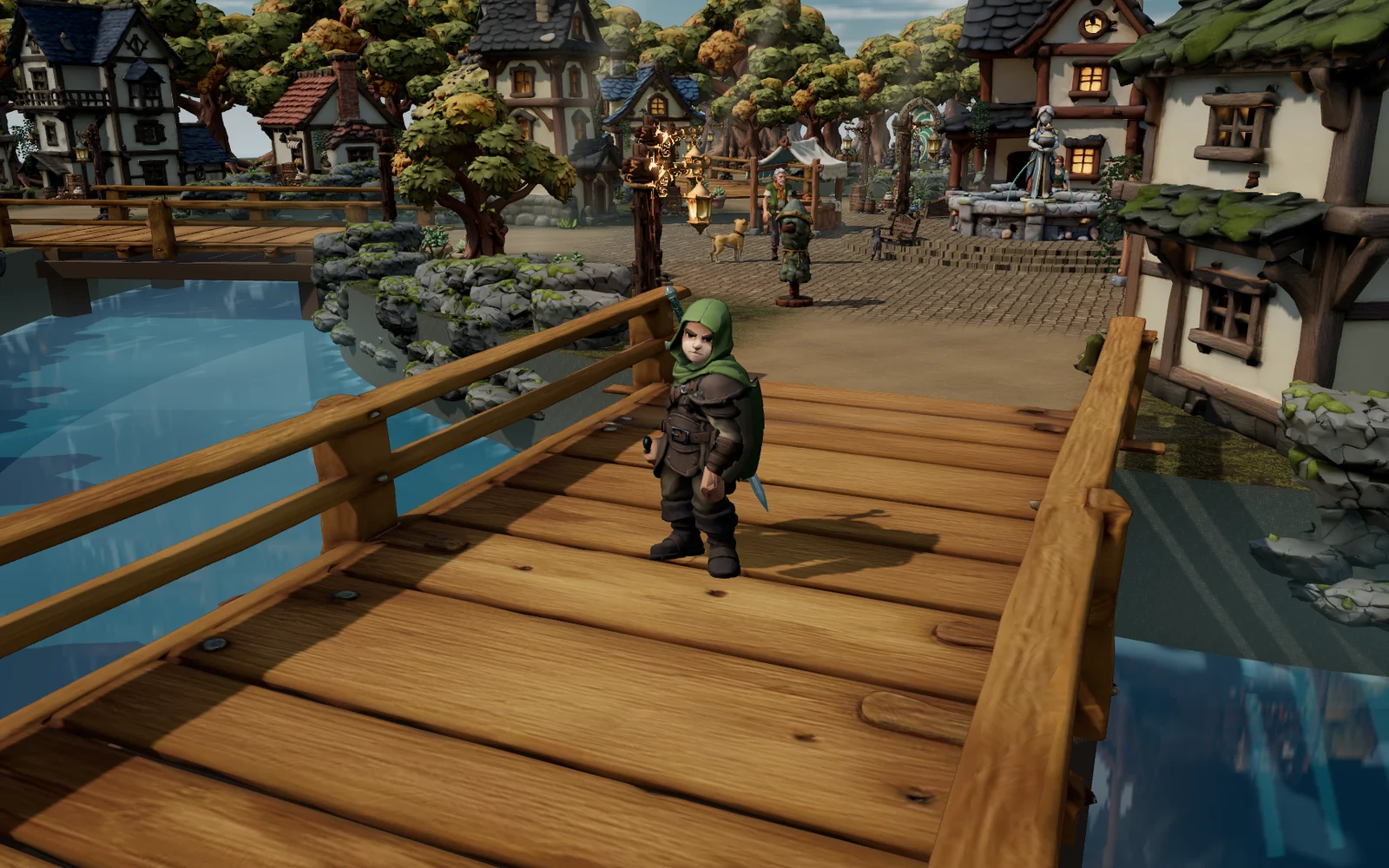
A frame from ASTRA’s hero shots: the hooded hero on a wooden bridge in Rainmist Haven
Tool 04

Cinematic capture

43 shots in two passes — 30 scene shots across the village, dungeon, and boss arena, then 13 hero shots — recorded at 1080p from a separate session, so the public build never changed. This bridge shot was re-framed after ASTRA’s own check found the hero drifting to the edge of the frame.

How close did the game get to its concept art?

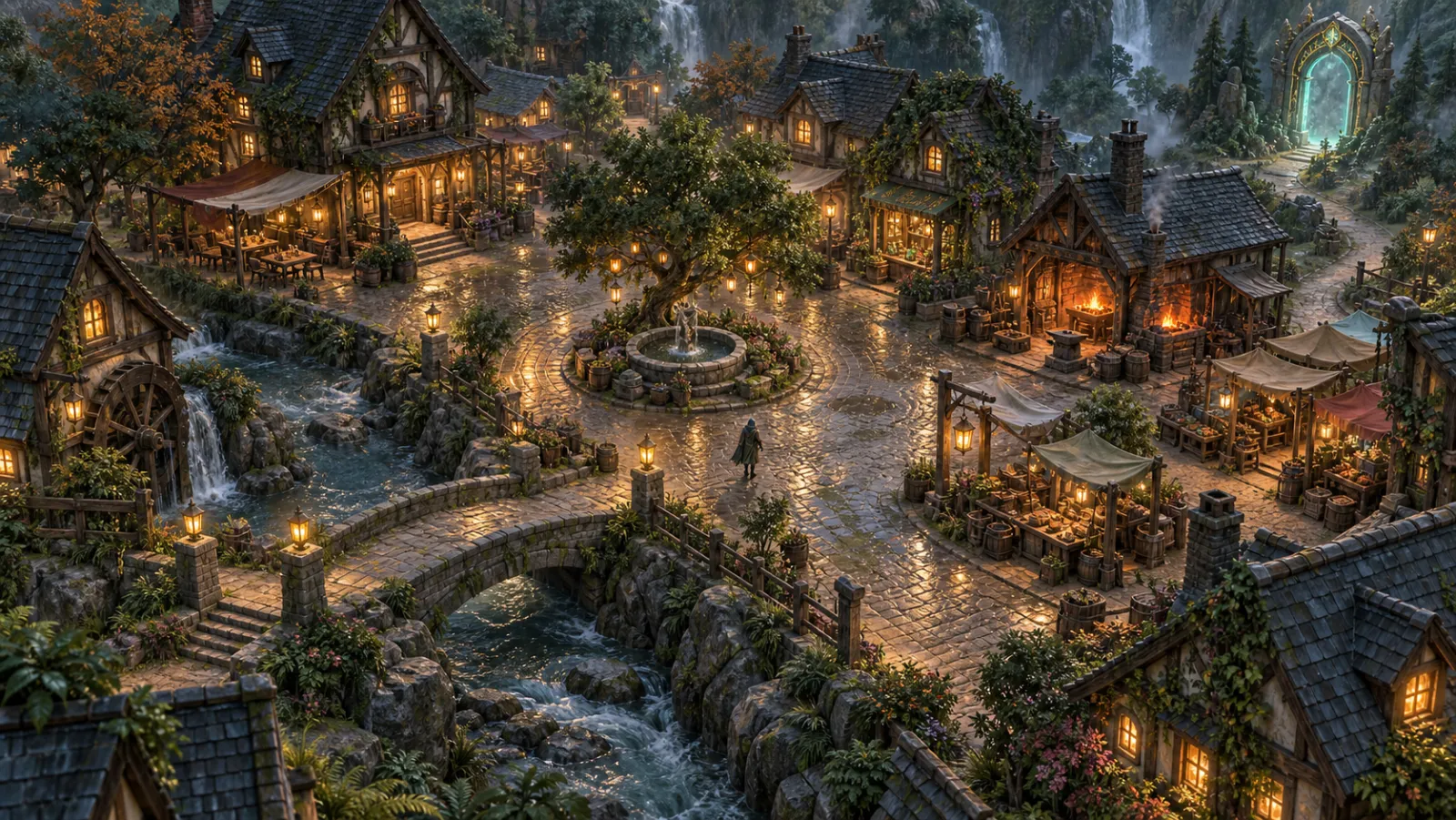
ASTRA drew the concepts with Codex’s built-in image tool; PicoBerry’s models and ASTRA’s code turned them into scenes. The village changed once the developer brought in a layout reference. The boss arena kept its concept’s floor plan; its mist and waterfalls gave way to darkness once ASTRA added a collapsing edge with fall deaths — a mechanic it proposed and the developer approved — and the developer asked for a darker mood.

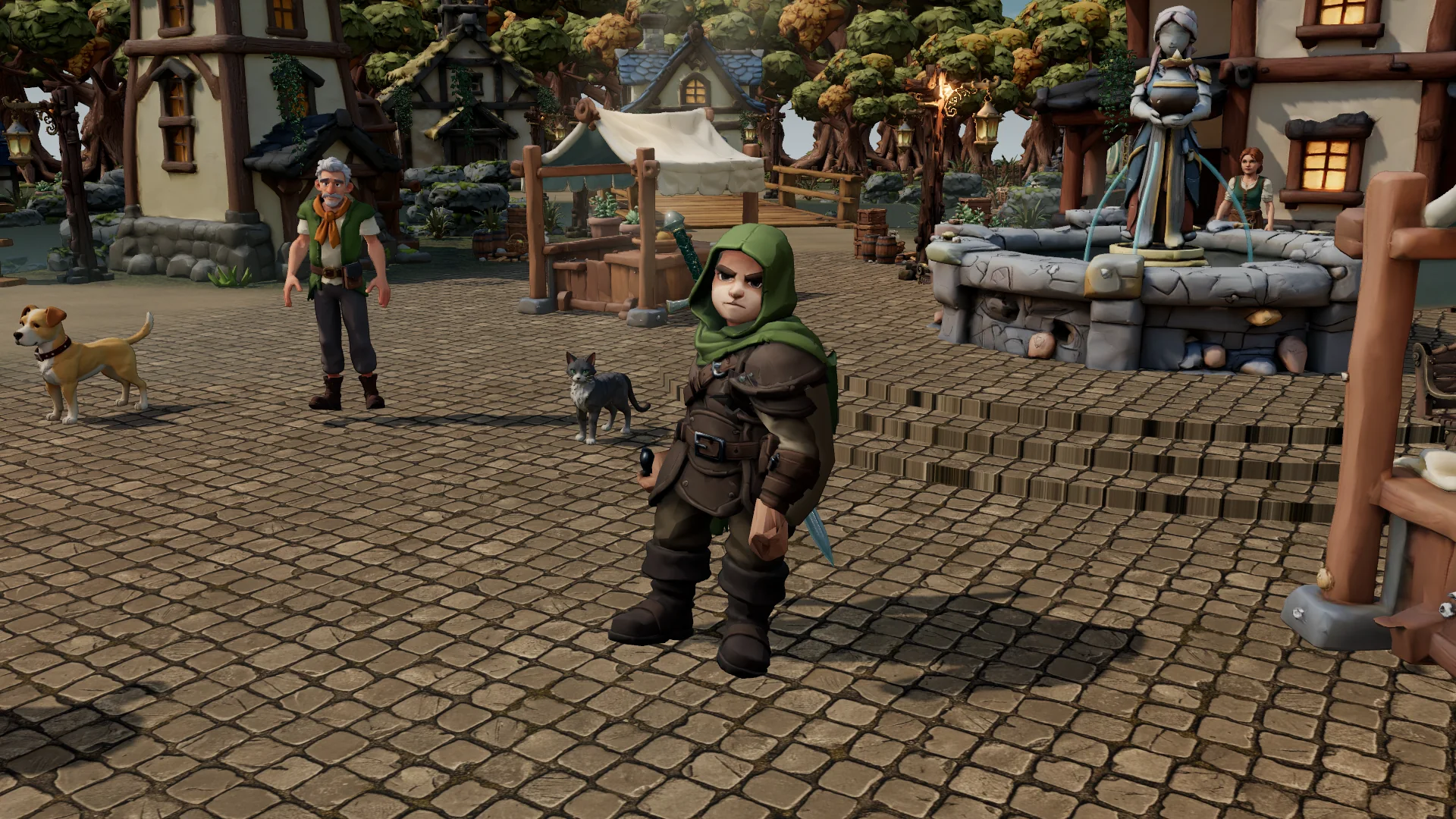
Rainmist Haven’s plaza in the local build: the hooded hero, two villagers, a dog, a cat, a market tent, and a fountain with a statue
In game · local buildRainmist Haven’s plaza: the hero, villagers, a dog and a cat, and the fountain are PicoBerry models, in a scene ASTRA built and the developer arranged.
ASTRA’s village concept: a rainy plaza with a fountain, waterwheel, bridge, and portal
Concept · ASTRAVillage concept, drawn by ASTRA with Codex’s built-in image tool on September 8.
The village from above in the local build: a round plaza surrounded by canals, wooden bridges, and timber houses
In gameThe village as built: re-laid out around the developer’s reference on September 9, and relit in the local build on the 10th. The public link still has the September 9 lighting.
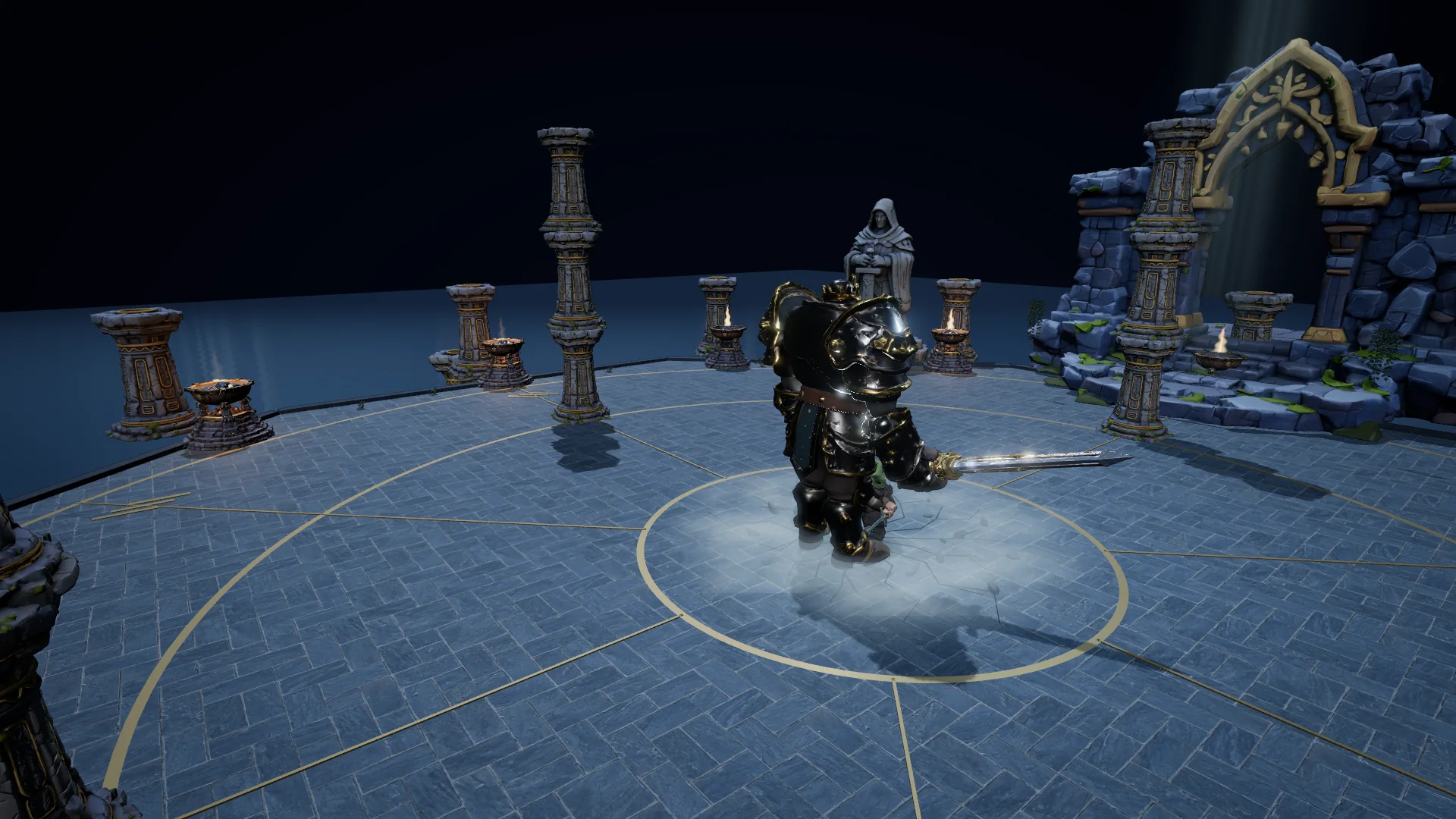
The boss arena in the local build: the armored boss on a stone floor marked with gold circles, with pillars, braziers, a hooded statue, and a ruined arch against a dark background
In game · local buildThe boss arena as built, captured from the local build. Compared with the concept shown next to the brief above, the floor, pillars, statues, and shrine carried over. The first build also had the concept’s mist and waterfalls, until the arena got a collapsing, fall-off edge and a darker mood.

What changed between the first build and the last?

Three fixes from the archive, each with a picture of before and after.

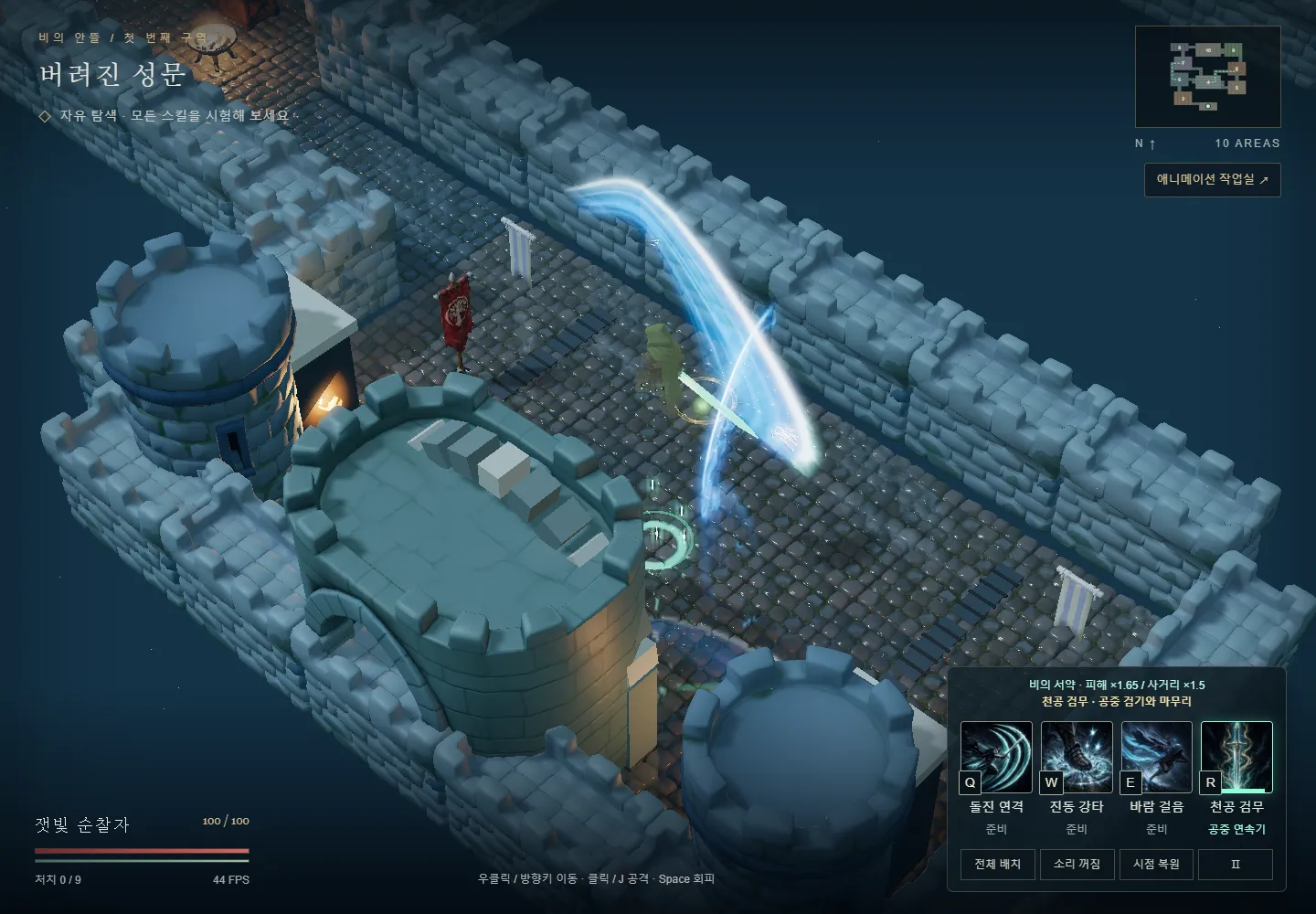
The early build: a castle-walled dungeon from above, a blue sword-wave effect, and a Korean skill bar
Sept 8 · early buildCastle walls, Korean UI, and an early sword-wave effect. That afternoon the developer told ASTRA the castle walls were out for good.
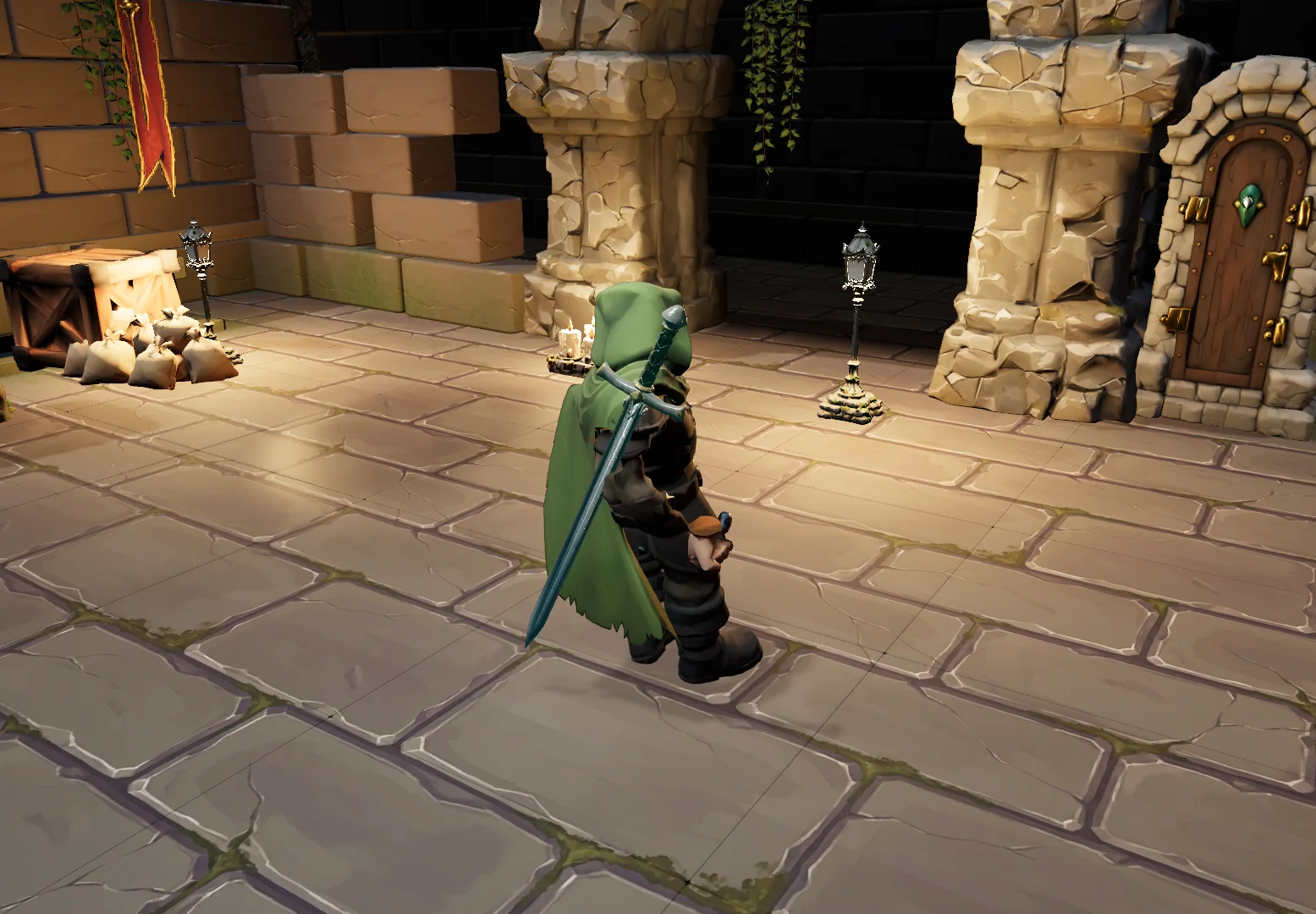
The rebuilt dungeon: carved stone pillars, a wooden door, banners, ivy, and lanterns
RebuiltThe rebuilt dungeon, dressed with PicoBerry models in a style closer to the concept art.
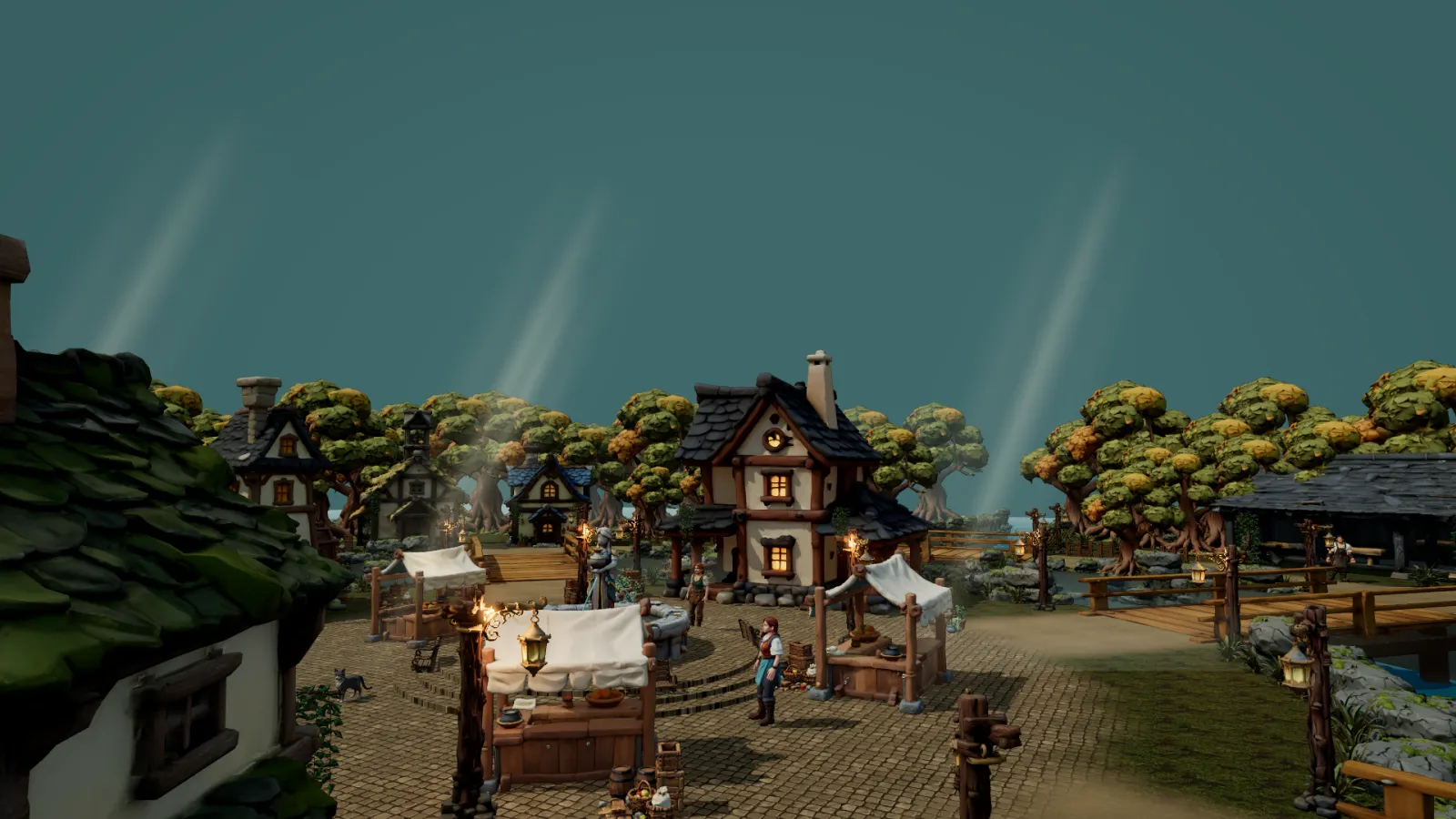
The village plaza before the lighting pass, under a flat teal backdrop
Sept 10 · beforeLighting pass, before: a flat teal backdrop behind the village.
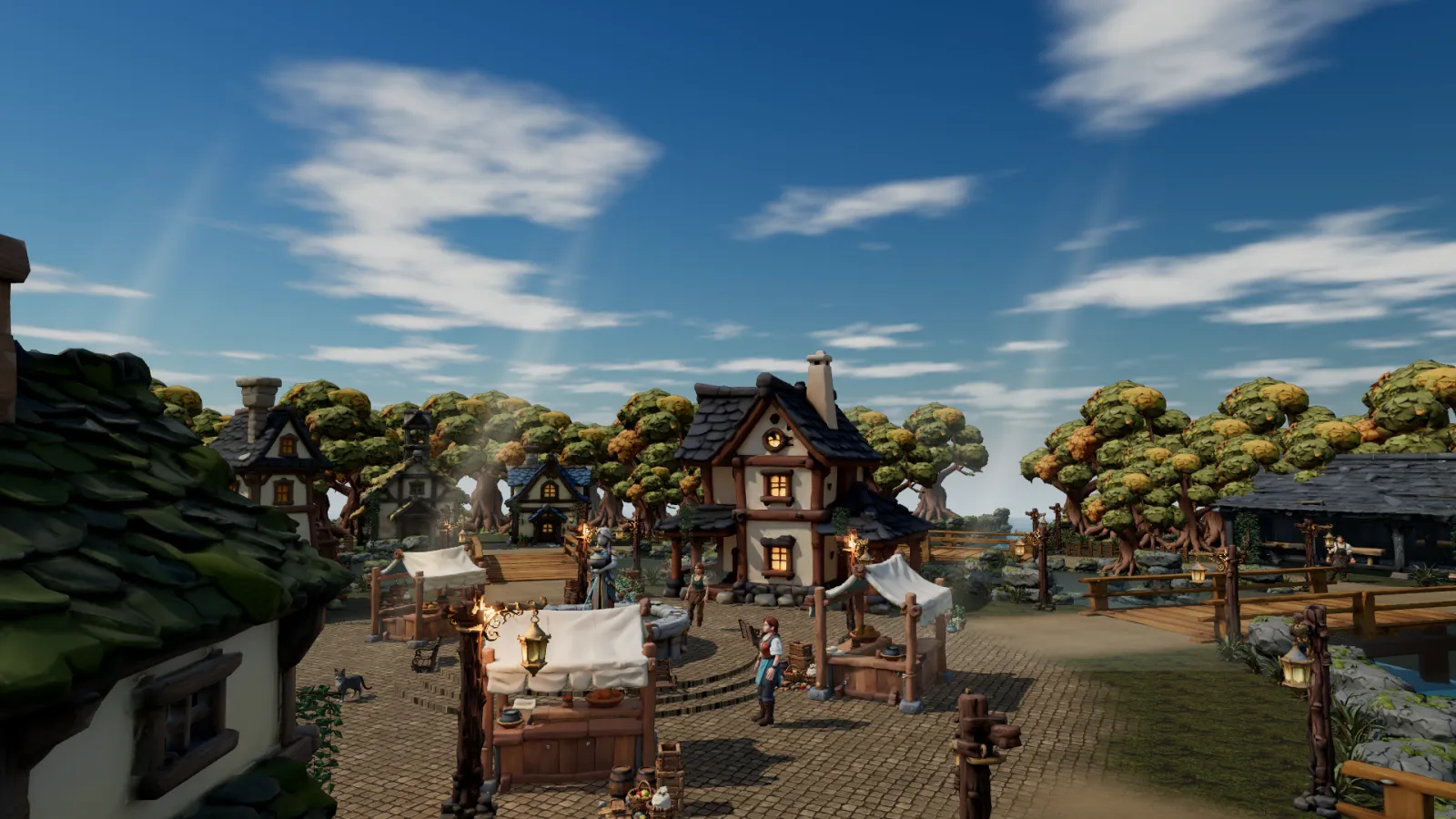
The same village view after the lighting pass, with a blue sky and clouds
After · local buildAfter: a sky with clouds and a relit plaza, same camera. This pass went into the local build, not the public link.
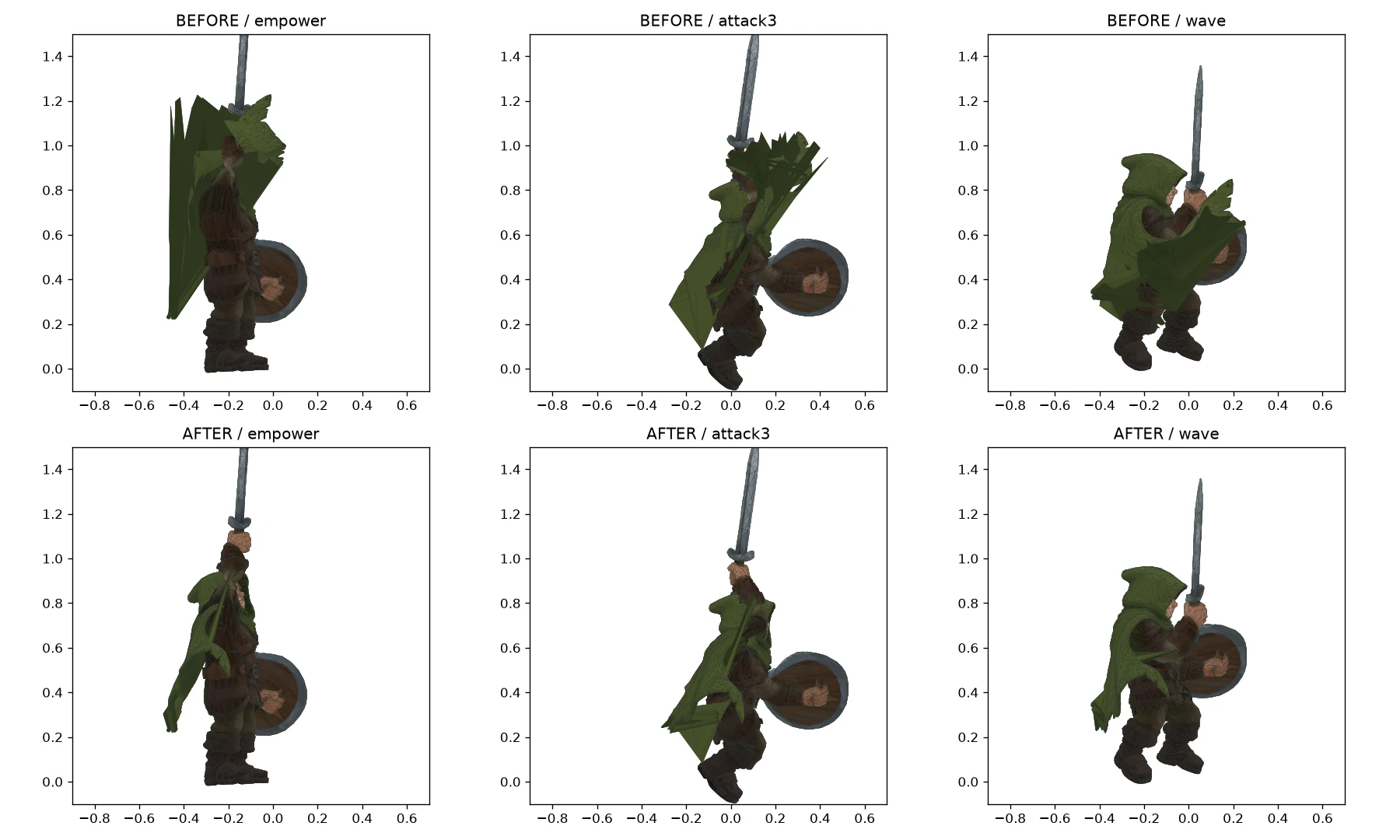
Six plots of the hero in three poses: top row before the fix with the cape flaring outward, bottom row after with the cape following the body
Skin weightsRaising the sword arm used to drag the cape with it (top). ASTRA corrected the arm weights on 1,079 cape vertices, and its verification plot shows the cape following the body in the same three poses (bottom).

What did PicoBerry generate for the game?

Everything below came back from PicoBerry as files the game loads. ASTRA wrote the prompts and sent most of the jobs; the developer picked specific library animations and generated two boss animations in PicoBerry directly.

158GLB files in the game’s model folder
113unique models — the rest are source copies, LODs, and animation variants
41bones in each humanoid rig — hero, NPCs, enemies, and bosses — from PicoBerry auto-rigging
9.9 MBfor 37 animation clips once ASTRA split them from their meshes (from about 60 MB)
PicoBerry render of the inn modelInn
PicoBerry render of the watermill modelWatermill
PicoBerry render of the forge modelForge
PicoBerry render of the market stall modelMarket stall
PicoBerry render of the fountain modelFountain
PicoBerry render of the cart modelCart
PicoBerry render of the blacksmith NPC modelBlacksmith NPC
PicoBerry render of the portal warden NPC modelPortal warden
PicoBerry render of the final boss, Vael, the Stormbound KingVael, the boss
PicoBerry render of the stone dungeon arch modelDungeon arch
PicoBerry render of a hooded stone knight statue holding a sword, from the dungeonKnight statue
PicoBerry render of the luminous sword the hero switches to with the R skillLuminous sword

Also from PicoBerry: 4 skill icons on day one, 6 effect textures on day two, and library animations the developer picked, including the boss’s sit-to-stand and roar and the player’s hit reaction, get-up, and death.

Where did it still need a person?

The parts of the archive that don’t fit a demo reel.

Limit 01

Placement and facing

In the developer’s experience, ASTRA understood 3D coordinates better than Fable 5 did on an earlier project. It still put things where the developer had to move them, and one batch of new props arrived turned 90°; the developer spotted it, and ASTRA corrected their front axis. The final layout was set by hand, in the editor.

Limit 02

Auto-rigging refused twice

PicoBerry’s auto-rig rejected an innkeeper generated with its arms against its waist, so ASTRA redrew a T-pose reference and regenerated it. The auto-rig was built for humanoid characters, so it also turned down the two horses; ASTRA built its own 29-bone four-legged skeleton, used it for the horses, the dog, and the cat, and animated them in code. Neither fix needed Blender.

Limit 03

The first deploy lost the layout

ASTRA’s first ChatGPT Sites deploy started in the dungeon instead of the village and dropped the saved layout: 336 placed objects, 32 duplicates, and the camera. ASTRA’s own logged-out check did not catch it. The developer caught it 48 seconds later, and ASTRA restored the layout and redeployed.

Limit 04

ASTRA’s early art review

On September 8, before the environment rebuild, ASTRA reviewed three saved stills and the rendering code as an art director, because the gameplay video it was asked to review was not attached. It said the effects were strong but read before the sword and the hit, and that materials and lighting fell short of the AAA target. Within a day the environment was rebuilt with new materials, lighting, and post-processing. Performance stayed open: about 60 fps at 1080p on the developer’s machine, frame drops on weaker PCs, and the developer chose to leave it.

Watch the demo

A 1:39 demo: an opening look at the village, then the dungeon and the final boss. The game runs in a desktop browser; the link is at the top of the page.

The Legend of Deller demo, 1:39.

Frequently asked questions

Did GPT-6 ASTRA write all of the game’s code?

Everything in the archived conversation, yes. The developer worked by prompting — vibe coding, in the developer’s words — and ASTRA wrote and fixed the three.js code, including the editors the developer used. The small prototype it started from came from an earlier Codex session that the archive doesn’t include. The developer’s part was direction: combat feel, the village layout, art calls, and final placement.

How did GPT-6 ASTRA use PicoBerry?

The PicoBerry API was connected to Codex. ASTRA wrote the generation prompts — from the developer’s description when there was no reference image — sent most of the jobs in batches (19 at once for the new scenes), and pulled the finished GLB files into the game. It used PicoBerry’s auto-rig for the humanoid characters, library animations for base motions, and PicoBerry’s image generation for skill icons and effect textures.

Why not let GPT-6 ASTRA model the 3D assets itself?

It can, and the developer says so. The goal was a finished world that kept the mood and shapes of the concept images, so asset generation went to a dedicated 3D generator and ASTRA stayed on the game.

Did anyone rig or animate in Blender?

No. The humanoid characters — the hero, the NPCs, the enemies, and both bosses — were auto-rigged in PicoBerry, and many base motions came from PicoBerry’s library animations. PicoBerry’s auto-rig turned the horses down, so ASTRA built its own 29-bone four-legged skeleton and used it for both horses, the dog, and the cat. ASTRA also fixed the hero’s cape weights in code. The developer then adjusted bones and keyframes in three.js, in the workshop ASTRA built, and says the motion still needs detail work.

How long did it take to build The Legend of Deller with GPT-6 ASTRA?

The developer puts it at about 12 hours of working with ASTRA. The archived conversation spans 4 days, September 7 to 10, 2026; the public link went live on the 9th, and one 54-minute stretch ran while the developer was away.

Can I play The Legend of Deller?

Yes, in a desktop browser at rain-court-js.umodeler-inc-4323.chatgpt.site. Right-click or the arrow keys to move, click or J to attack, Q, W, E, and R for skills, Space to dodge. It is a prototype: the final boss unlocks only after the dungeon is cleared, and weaker machines may drop frames.

Does PicoBerry only work with three.js and Codex?

No. PicoBerry works through a REST API, with an MCP server for MCP clients, and returns standard GLB, FBX, and OBJ files, so any agent that can call an API can use it. The models load in Unity, Unreal, Godot, Blender, or a web runtime. Deller is three.js, published with ChatGPT Sites.

Is GPT-6 ASTRA better than Fable 5 for 3D work?

The developer’s impression, from an earlier level-building project with Fable 5, was that ASTRA understood 3D coordinates and placement better. That is one person’s experience, not a benchmark — and placement still went through the developer’s editor.

Give your agent a 3D generator

Start in the PicoBerry web app, or connect the API to the agent you already use.